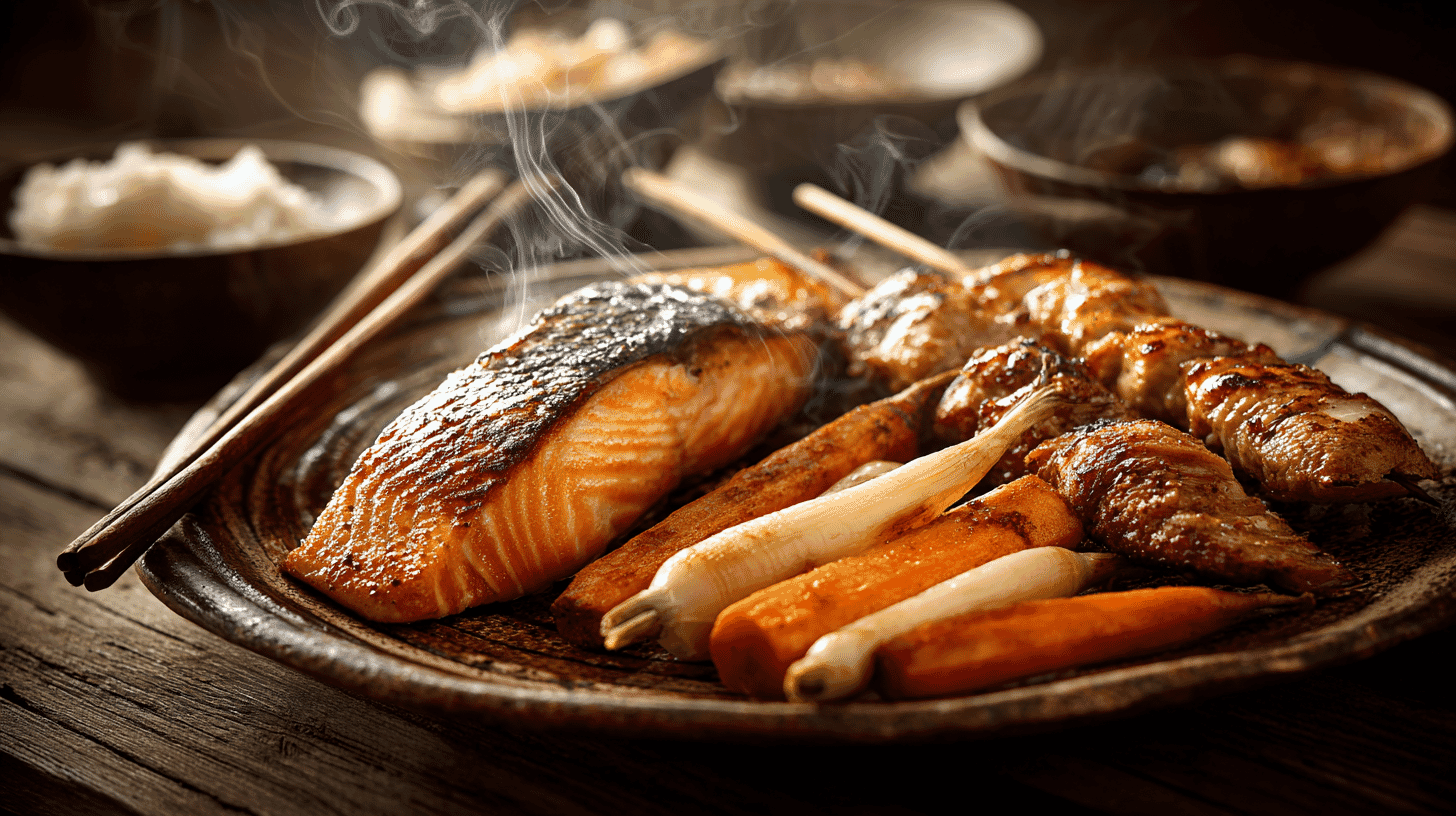
Of the 2.33 million tonnes of household food waste Japan generated in fiscal 2023, 360,000 tonnes fell under a category the government calls excessive trimming: edible parts thrown away because peels were cut too thick. Japanese cooking, meanwhile, has a long habit of eating the skin, on fish, chicken and vegetables alike. Here is that tradition, and what to watch out for.
The "Mottainai" Philosophy Behind This Food Culture
Japan has long embraced a philosophy captured by the word "mottainai," a sense that nothing should go to waste. This mindset has shaped a unique culinary tradition of transforming the skin of fish, chicken, and vegetables into delicious dishes. While these parts are often discarded in other countries, Japanese cuisine celebrates them as nutritious and flavorful components worthy of careful preparation.
The Culture of Eating Fish Skin
Popular Fish Skin Dishes
In Japanese cuisine, fish skin is treated as a valuable ingredient rather than waste. Salmon skin, when grilled to crispy perfection, is a beloved accompaniment to rice. The combination of rendered fat and crackling texture makes it a satisfying treat that many Japanese people consider the best part of the fish.
Unagi (freshwater eel) kabayaki is always prepared with the skin intact, contributing both its signature gelatinous texture and rich collagen content. Blue-skinned fish like buri (yellowtail) and saba (mackerel) are commonly prepared as teriyaki or shioyaki (salt-grilled) with the skin on, allowing diners to enjoy the aromatic char alongside the tender flesh.
Nutritional Benefits
Fish skin carries collagen along with omega-3 fatty acids including DHA and EPA. Collagen is what gets talked about in beauty terms, though it is worth being clear that collagen you eat is broken down and resynthesised by the body rather than travelling intact to your skin.
Japan's Love for Chicken Skin
Yakitori Culture and Chicken Skin
At izakaya (Japanese pubs) and yakitori restaurants across Japan, "kawa" (chicken skin) is a menu staple. Skewered and grilled with either tare (sweet soy sauce) or salt, chicken skin offers a satisfying contrast of crispy exterior and juicy, rich interior. In Fukuoka Prefecture and other parts of Kyushu, specialty shops dedicated entirely to chicken skin dishes have become local institutions.
Diverse Chicken Skin Preparations
Beyond yakitori, chicken skin appears in numerous preparations. Torikawa ponzu features boiled chicken skin dressed in citrus-based ponzu sauce for a refreshing appetizer. Crispy fried chicken skin senbei provides a snack-like experience that pairs perfectly with beer.
The Wisdom of Using Vegetable Peels
Root Vegetable Skins
Japanese home cooks often prepare root vegetables with their skins intact. Gobo (burdock root) is typically just scrubbed rather than peeled, preserving the earthy flavors and nutrients concentrated in the skin.
Daikon radish peels are commonly transformed into kinpira, a sautéed dish with soy sauce and mirin, turning what might be discarded into a flavorful side dish. Carrot peels, when thoroughly washed, are used directly in cooking, maximizing the intake of beta-carotene and other nutrients.
Potato Skins
Skin-on potato dishes are popular throughout Japan. From french fries to potato salad, the texture and flavour of potato skin adds depth to familiar dishes. The skin is where the dietary fibre concentrates, and just beneath it sit chlorogenic acid, a polyphenol, along with potassium and iron. A potato's vitamin C is mostly in the flesh, shielded by starch and therefore resistant to heat, so cooking it skin-on limits how much leaches out.
One caveat. Sprouts and any skin that has turned green contain solanine and chaconine, natural toxins that can cause stomach pain and dizziness in quantity. Cut the sprouts out, peel green patches away generously, and only eat the skin of potatoes that have neither.
Squash and Sweet Potato Skins
Kabocha (Japanese pumpkin) and satsumaimo (sweet potato) are routinely cooked with their skins in nimono (simmered dishes) and yakiimo (roasted sweet potato). The skins are rich in dietary fiber and polyphenols, and keeping them on preserves both sweetness and nutritional value.
The Habit of Eating Apple Skin
In Japan, eating apples with the skin on is common practice. Apple skin contains polyphenols and dietary fiber, making it popular among health-conscious consumers. School lunches sometimes serve unpeeled apples, helping children develop the habit of eating fruit skin from an early age.
Environmental Benefits and Food Waste Reduction
As food waste reduction becomes a global priority, Japan's tradition of eating skin offers a practical solution. By utilizing every edible part of ingredients, this approach naturally minimizes waste.
The numbers show where it bites. Japan's ministries of agriculture and environment put food loss at 4.64 million tonnes in fiscal 2023, of which 2.33 million came from households: 1 million tonnes of food thrown away unopened (43 percent), 970,000 tonnes of leftovers (41 percent), and 360,000 tonnes, 16 percent, of what the statistics call excessive trimming, meaning edible parts discarded by peeling too deep. Cooking with the skin on goes straight at that last figure.
Comparison with Other Cultures
In Western countries, fish is commonly served skinless, and many people avoid chicken skin due to calorie concerns. Vegetable peeling is standard practice before cooking.
However, growing interest in sustainability has sparked movements like "nose-to-tail" and "root-to-stem" cooking in Western countries, where all parts of animals and vegetables are utilized. This shift has brought renewed appreciation for Japan's longstanding food waste reduction practices.
What About Your Country?
How do you handle the skin of fish, chicken, and vegetables? Do you have traditions of eating these parts? We'd love to hear about your food culture, so please share your thoughts and experiences.
References
- https://www.maff.go.jp/j/press/shokuhin/recycle/250627.html (MAFF on fiscal 2023 food loss estimates)
- https://www.env.go.jp/content/000324503.pdf (Ministry of the Environment on the breakdown, including excessive trimming)
- https://www.maff.go.jp/j/shokusan/recycle/syoku_loss/
- https://www.mhlw.go.jp/stf/seisakunitsuite/bunya/kenkou_iryou/kenkou/eiyou/




Global Discussion
16 comments