Japanese Workwear Goes Mainstream: How Construction Site Uniforms Became a Fashion Phenomenon
Introduction: From Job Site to Street Style
What was once exclusively worn by construction workers and factory laborers in Japan has now become a major fashion trend among everyday consumers. Japanese workwear, known for its exceptional functionality, affordable pricing, and increasingly stylish designs, has captured the hearts of outdoor enthusiasts, fashion-forward youth, and budget-conscious shoppers alike. What's driving this remarkable transformation?
Reason #1: Professional-Grade Functionality
The primary appeal of workwear lies in its outstanding functional performance.
Designed to withstand harsh working conditions, Japanese workwear incorporates features that prove invaluable for everyday life:
- Water resistance: Protection against unexpected rain
- Breathability: Moisture-wicking properties prevent discomfort
- Durability: Withstands repeated washing and wear
- Temperature regulation: Effective insulation or cooling properties
- Mobility: Ergonomic designs and stretch materials allow free movement
These features make workwear ideal not only for outdoor activities like camping and hiking but also for daily commutes and regular activities. The fact that consumers can access performance comparable to premium outdoor brands at a fraction of the cost has been a major selling point.
Reason #2: Unbeatable Value for Money
Affordability is a cornerstone of workwear's appeal.
While high-performance jackets from established outdoor brands can cost tens of thousands of yen (hundreds of dollars), workwear with equivalent functionality often sells for just a few thousand yen. This price advantage stems from workwear's origins in the mass-production-oriented commercial market.
In an era of rising living costs, workwear offers consumers a way to maintain quality without breaking the bank, further amplifying its popularity.
Reason #3: A Design Revolution
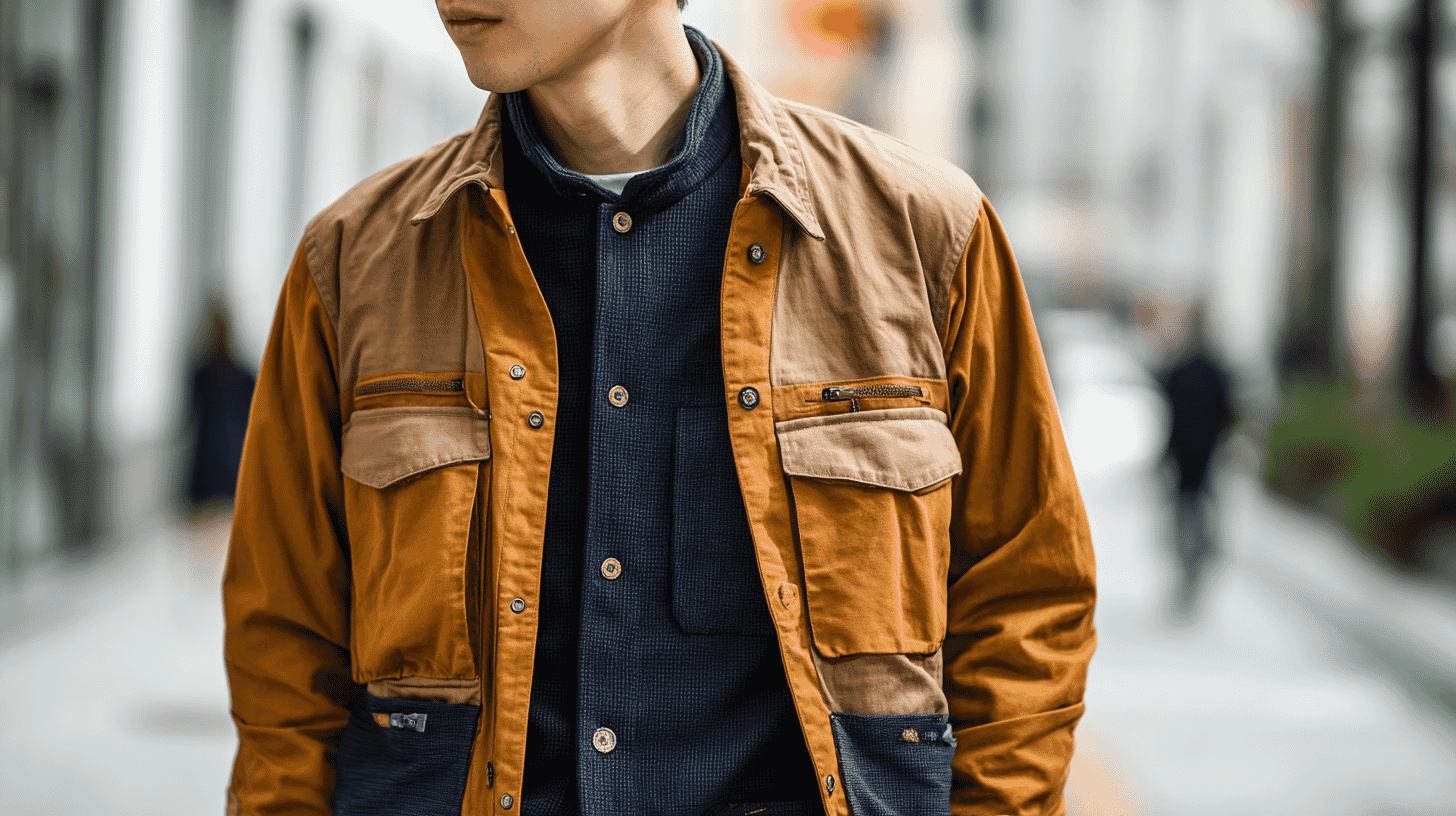
Traditional workwear prioritized function over form, resulting in utilitarian aesthetics that limited its appeal beyond professional settings. However, as manufacturers recognized the potential of the general consumer market, they invested heavily in design improvements.
Today's workwear features expanded color palettes, modern silhouettes, and trend-conscious details that make it perfectly acceptable for everyday wear. Many items are now designed with social media appeal in mind, attracting younger demographics who value both style and substance.
Workman: The Retail Pioneer Leading the Revolution
At the forefront of Japan's workwear boom is Workman, a specialty retailer that has successfully transformed its brand image.
In 2018, the company launched "WORKMAN Plus," a new retail format targeting general consumers with products designed for outdoor activities, sports, and casual wear. In 2020, they opened "#Workman Joshi" (Workman Girls), stores specifically catering to female customers.
By shedding its image as "a store for professionals only" and positioning itself as a provider of "high-performance, affordable casual wear," Workman has influenced the entire industry and demonstrated the vast potential of the general consumer workwear market.
Social Media: Accelerating the Trend
Social media has played a crucial role in expanding workwear's popularity.
Hashtags like "Workman Coordinate" and "Workwear Girl" have gained traction on Instagram, YouTube, and TikTok, with influencers sharing styling tips and product reviews. This user-generated content creates a positive feedback loop, attracting new customers who might never have encountered traditional advertising.
Diversifying Uses and User Demographics
Workwear has evolved far beyond its original purpose. Today, it serves multiple functions:
- Outdoor activities: Camping, hiking, fishing, motorcycle touring
- Sports: Running, cycling, golf
- Daily life: Commuting, shopping, school runs, gardening
- Emergency preparedness: As part of disaster kits
The user base has similarly expanded from professional tradespeople to include outdoor enthusiasts, value-conscious consumers, fashion-forward youth, and practical-minded homemakers.
Future Outlook
The workwear market shows no signs of slowing down. Manufacturers continue to accelerate development of consumer-oriented products, launching new items that balance fashion and function.
Growing interest in sustainability has also boosted workwear's appeal. Durable, long-lasting garments align with the shift away from disposable fashion, adding another dimension to workwear's value proposition.
Conclusion: What's the Workwear Scene Like in Your Country?
In Japan, workwear has successfully shed its image as "professional attire only" and gained widespread acceptance as functional, affordable everyday clothing. These garments, which combine practicality, style, and value, have become integrated into many people's lifestyles.
What's the situation with workwear in your country? Do everyday people incorporate work clothing into their fashion choices? We'd love to hear about the workwear culture where you live!
References
Reactions in Japan
Workman jackets offer the best value for money! They're just as warm and water-resistant as famous outdoor brands at 1/5 the price. Perfect for camping.
It's strange to see young people voluntarily wearing workwear now when it used to be synonymous with 'uncool.' But I admit the designs have really improved lately.
Found super cute items at Workman Joshi! Great insulation and everyone keeps asking where I got them. Looks expensive but wallet-friendly! 💕
Workwear is perfect for school runs and gardening. Don't worry about dirt, easy to move in, and super cheap. Plus it looks like outdoor brand stuff so no embarrassment lol
Bought a Workman windproof jacket for touring and it's seriously impressive. Blocks wind even at highway speeds, and nothing else offers this quality at this price. Definitely buying again.
Honestly, it's frustrating that popular items sell out because of general customers. How are we professionals supposed to buy what we actually need for work? They should have separate product lines.
Workwear functionality is real, but some items aren't suitable for serious mountaineering. It can be dangerous if you don't understand proper usage. Don't overestimate their capabilities.
With more remote work, I wanted comfortable, easy-to-move-in clothes. Workwear fits the bill perfectly. As long as my upper body looks decent for Zoom meetings, no problem lol
High-performance, durable workwear is perfect for minimalists who live with fewer clothes. One piece serves multiple purposes and lasts a long time due to its durability.
The workwear boom symbolizes a reevaluation of 'pragmatism.' Behind it lies a shift in consumer mindset prioritizing substance over appearance. A fascinating social phenomenon.
In rural areas, Workman is often the only option, but I'm happy that city folks 'discovering' it has improved the product selection.
Workwear is excellent as emergency preparedness gear. Water resistance, insulation, and mobility are essential during disasters. I recommend having at least one piece.
Seeing Workman's success, major apparel companies are now focusing on high-performance casual wear too. More options for consumers is a good thing.
I've been questioning fast fashion's disposable culture. Durable, long-lasting workwear deserves attention as a sustainable choice.
No matter how much the designs improve, workwear is still workwear. I'm still hesitant to wear it as everyday clothing. Just a matter of personal preference though.
Using Workman rain gear for fishing and the waterproofing is incredible. No need to buy expensive fishing wear anymore.
In an era where prices rise but salaries don't, workwear's value is truly appreciated. I've realized I don't need to keep up appearances.
Workwear is perfect for playing with kids at the park. Stains wash out easily, it's easy to move in, and the many pockets are so convenient!
I'm really impressed by the quality of Japanese workwear brands. American workwear brands like Carhartt are popular too, but Japanese ones seem even more advanced in functionality. I wish they were available in the US.
What a fascinating phenomenon! More people in the UK are wearing workwear as fashion too, but we don't have as many specialized stores as Japan, so options are limited unfortunately.
In Germany, practical clothing has always been accepted. The Japanese workwear trend makes perfect sense. We should learn from their emphasis on quality and functionality.
From a fashion-conscious country like France, wearing workwear stylishly is a bit surprising. But like Uniqlo's global success, Japanese practical fashion may have its own unique appeal.
Functional clothing is becoming popular in China too. Japanese workwear brands have a reputation for solid quality control. They could become popular as imports.
Workman is becoming a hot topic in Korea too! Many people buy items during their Japan trips. It's a different taste from K-fashion, but the practicality is attractive.
With Australia's active outdoor culture, Japanese high-performance workwear would definitely be popular here. The problem is low awareness. I hope they expand internationally.
In Spain, workwear still has a strong working-class image. For it to be accepted as fashion like in Japan, society's values may need to change.
Canadian winters are harsh, so I'm interested in Japanese insulated workwear. I'd love to compare them with local brands. Japanese products really differ in attention to detail.
In Poland, many people want to keep costs down, so the concept of value-for-money workwear resonates with me. Japanese consumers are making smart purchases.
Interest in functional clothing is growing in India too. Japanese workwear culture is a good reference point for balancing quality and price.
Honestly, I think American workwear brands are more stylish. Japanese ones still seem a bit plain. But I'll admit the functionality is good.
In Sweden, we prefer practical and simple designs. The Japanese workwear trend seems to align with Nordic values.
In Vietnam, Japanese products symbolize high quality. Even for workwear, Japanese brands are trustworthy. Breathable options for hot climates would be popular here.
In Brazil, there's no culture of wearing workwear as fashion yet. But Japanese influence might change that. Global trends are fascinating.
Irish weather is unpredictable, so Japanese workwear with water resistance and breathability would be practical. I wish local outdoor shops would stock them.