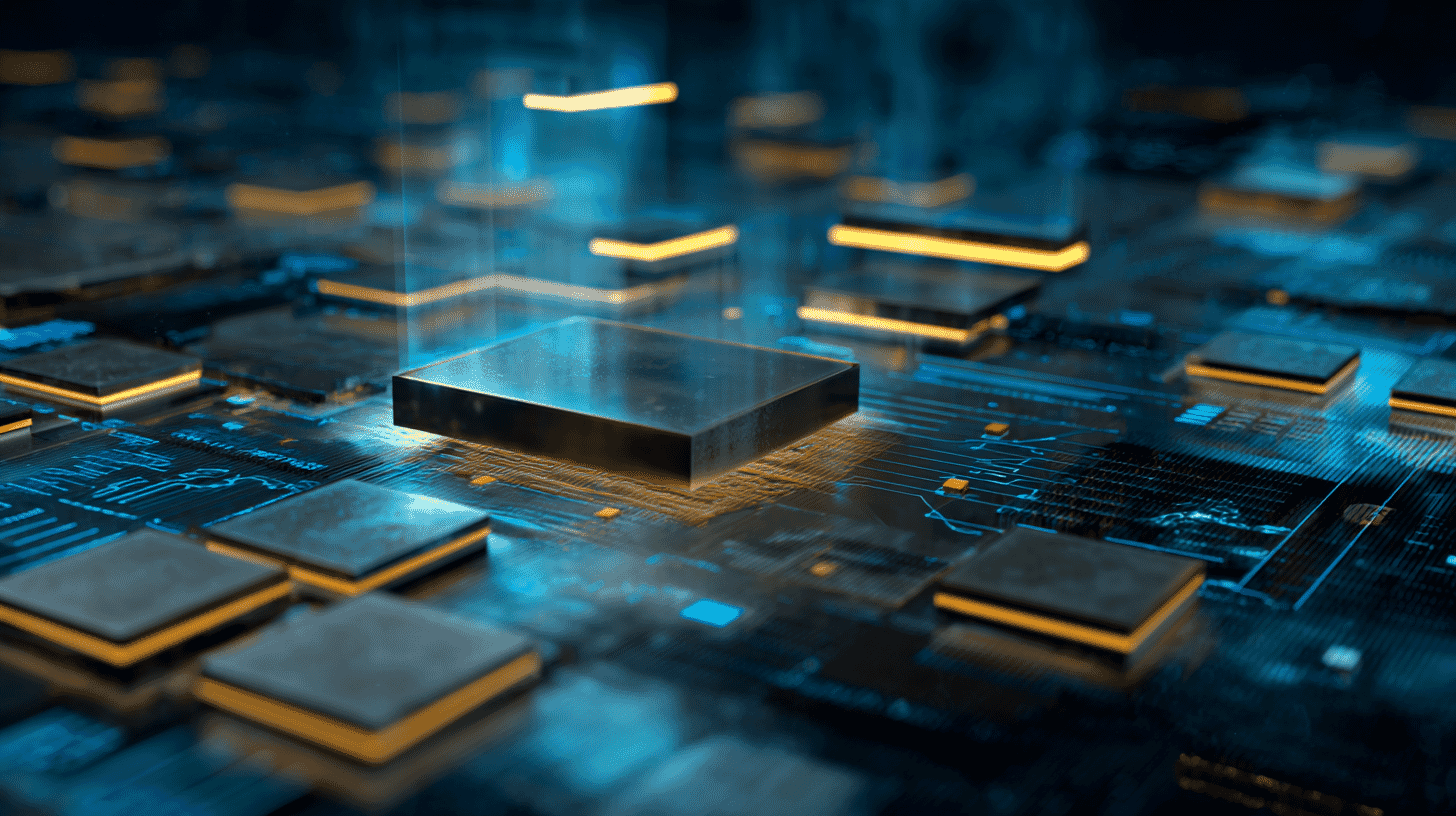
AI data centres have squeezed memory supply, and the memory that goes into the Switch 2 has risen about 40 percent in price. In January 2026 President Shuntaro Furukawa declined to answer a question about a possible price rise, calling it hypothetical. Less than six months later Nintendo raised the price by 10,000 yen. Here is how that happened.
Inside Nintendo's Component Procurement Strategy Revealed in Kyoto Shimbun Interview
In January 2026, Nintendo president Shuntaro Furukawa spoke to the Kyoto Shimbun about the company's response to soaring global memory prices and its pricing strategy for the Nintendo Switch 2. As AI data center expansion creates unprecedented pressure on memory supply, the entire gaming industry faces rising component costs. Furukawa revealed that Nintendo has been procuring components based on medium-to-long-term business plans, denying any immediate impact on profitability while emphasizing the need to closely monitor market conditions going forward.
The Memory Price Crisis and Its Impact on Gaming
The rapid growth of the AI industry has triggered an explosive increase in demand for memory used in data centers. This surge has significantly driven up prices for DRAM and other semiconductor memory products. The PC gaming market has already seen these costs passed on to consumers through higher-priced gaming computers.
According to reports from Nikkei, the price of memory used in the Switch 2 has risen by approximately 40%, raising concerns about pressure on Nintendo's profit margins and contributing to a decline in the company's stock price. Industry analysts suggest the memory shortage could persist until 2028, presenting a long-term challenge for console manufacturers.
Furukawa's Medium-to-Long-Term Procurement Approach
When asked about the Switch 2's lower profit margin compared to the original Switch, Furukawa explained that hardware profitability depends on multiple factors including component procurement conditions, cost reductions through mass production, and the impact of exchange rates and tariffs.
Regarding memory price increases, he stated that Nintendo procures components from suppliers based on medium-to-long-term business plans, noting there is no immediate impact on financial performance. However, he added that the current memory market is "very volatile" and requires close monitoring, signaling awareness of potential future risks.
When pressed about whether procurement conditions might lead to price increases, Furukawa declined to comment, calling it "hypothetical."
Tariff Costs and Pricing Policy
Alongside the memory issue, international tariffs represent another significant challenge for Nintendo's operations. Furukawa acknowledged that at the start of the fiscal year, Nintendo had projected a negative impact of several tens of billions of yen from tariffs, with corresponding effects materializing in the first half of the year.
On the company's approach to tariffs, Furukawa stated that while it's difficult to accurately gauge future impacts, Nintendo's basic policy is to recognize tariffs as costs and pass them on to prices as much as possible, not just in the United States. This statement, suggesting potential future price adjustments, received significant coverage in international gaming media.
At the same time, he emphasized that this is "a crucial period for our game business as we promote the adoption of new hardware and maintain the momentum of our platforms." The president indicated Nintendo would carefully balance cost pass-through with the need to drive console adoption.
Switch 2 Market Performance and Industry Response
The Switch 2 launched on June 5, 2025, selling 3.5 million units in four days and 5.82 million over the first quarter, the April to June period. That is the fastest start of any Nintendo console. At the time of the interview it listed at 49,980 yen for the Japanese-language edition in Japan, and 449.99 dollars in the United States, making it Nintendo's most expensive console to date.
Reports suggested the higher price was creating adoption barriers. Memory costs weighed on the stock too: press reports in January 2026 put Nintendo's share price down roughly 30 percent over the preceding five months.
Looking Ahead
About four months after this interview, Nintendo did raise prices. The company announced the change on May 8, 2026, and Japanese recommended retail prices moved on May 25. The Japanese-language Switch 2 went from 49,980 yen to 59,980 yen, a 10,000 yen increase, while the multi-language edition held at 69,980 yen. Original Switch models rose at the same time.
At the May 8 earnings briefing, Furukawa said the revision was not down to any single factor, but reflected a judgement that shifts in the market environment, memory prices, exchange rates and tariffs among them, would affect the global viability of the business over the medium and long term. The question he had declined to answer in January as hypothetical was settled inside of six months.
In the same interview, Furukawa mentioned plans to strengthen the software lineup from 2026 onwards, pointing to both franchise sequels and "completely new software."
The third-quarter results, published on February 3, 2026, showed the Switch 2 past 15 million units at the fastest pace of any Nintendo console, with sharply higher sales and profit. Raise the price, keep the install base growing: Nintendo now has to do both at once.
In Japan, there's ongoing debate about console pricing and the impact of memory shortages. What discussions are happening in your country about gaming hardware prices? Have you noticed the effects of AI-driven memory price increases? We'd love to hear your thoughts in the comments.
References
- https://www.videogameschronicle.com/news/nintendo-is-monitoring-high-ram-prices-and-tariff-impacts-very-closely-president-shuntaro-furukawa-says/
- https://www.kyoto-np.co.jp/articles/print/1631945
- https://automaton-media.com/articles/newsjp/nintendo-20260113-405744/
- https://www.nikkei.com/article/DGXZQOUF10CPN0Q5A211C2000000/
- https://daily-gadget.net/game_gaming/105518/






Global Discussion
15 comments