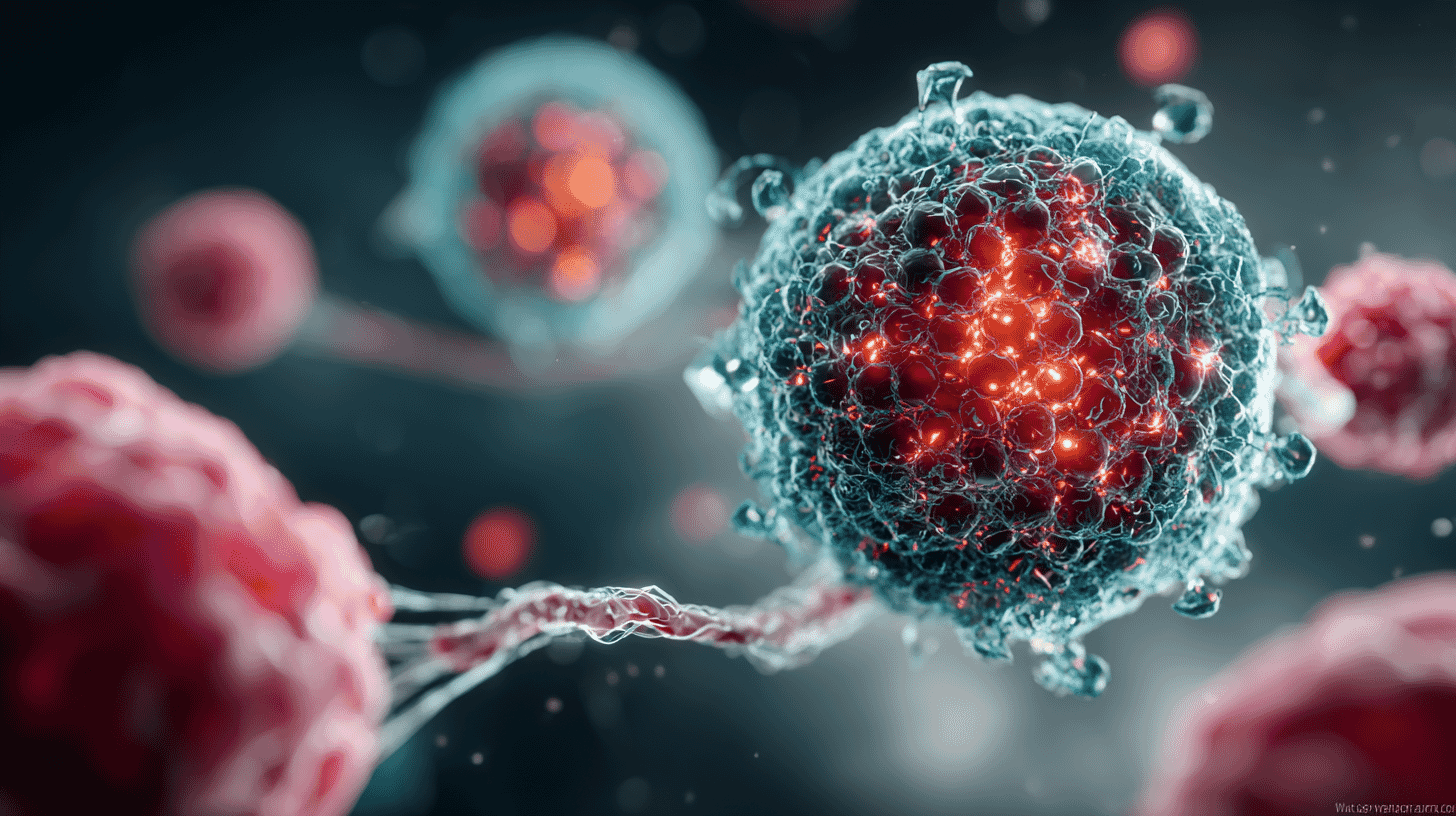
On November 26, 2025, a Kagoshima University research group and Surv BioPharma announced the start of a multi-center Phase 3 physician-led clinical trial of the oncolytic virus Surv.m-CRA-1 for primary malignant bone tumors, aimed at full regulatory approval. Professor Ken-ichiro Kosai, who developed the therapy and heads the university's gene therapy and regenerative medicine division, is also the founder, board chairman and chief scientific officer of Surv BioPharma.
According to the two organizations, this is the first Phase 3 trial by a Japanese academic gene therapy product aiming at full domestic approval, and the world's second attempt at full approval for an oncolytic virus.
Understanding Primary Malignant Bone Tumors
Primary malignant bone tumors are cancers originating directly from bone tissue, with approximately 800 new diagnoses annually in Japan, making them rare cancers. Osteosarcoma, the most common type, frequently affects young people aged 10-20, presenting with pain and swelling around the knees or shoulders.
Current standard treatment combines surgery with chemotherapy, but the drugs used were introduced over 30 years ago. Before the 1970s, surgery alone resulted in 5-10% five-year survival rates. The introduction of chemotherapy improved this to 70-80%, yet treatment outcomes have shown little advancement since.
Surv.m-CRA-1's Revolutionary Mechanism
A "Switch" That Only Targets Cancer Cells
Surv.m-CRA-1 is an oncolytic virus developed from adenovirus. Its key innovation lies in the "survivin promoter" mechanism.
Survivin is a molecule highly expressed specifically in nearly all cancer cells, while rarely present in normal cells. When Surv.m-CRA-1 encounters survivin, it activates and begins replicating exclusively within cancer cells, destroying them from inside. New viruses released from destroyed cancer cells then infect surrounding tumor cells, creating a cascading tumor lysis effect.
Since normal cells lack significant survivin expression, the virus cannot replicate in healthy tissue, preventing damage to normal cells. This high selectivity enables powerful anti-cancer effects while minimizing side effects.
Attacking Cancer Stem Cells
More importantly, Surv.m-CRA-1 can target "cancer stem cells."
Cancer stem cells comprise only 0.1-1% of tumor tissue but possess self-renewal capacity and are the primary cause of recurrence and metastasis. Conventional chemotherapy and radiation effectively kill rapidly dividing cancer cells but have limited effect on dormant cancer stem cells. Surviving stem cells eventually reform cancer tissue after treatment.
Survivin, Surv.m-CRA-1's target, is expressed more strongly as cancer becomes more malignant. That means the treatment may become more effective against treatment-resistant cancer stem cells and advanced disease, a characteristic absent from existing therapies.
Immune System Activation
Oncolytic viruses offer another advantage: immune response stimulation. Cancer antigens released during viral destruction of cancer cells can activate the patient's immune system, potentially attacking cancer cells not directly reached by the virus.
Results from Previous Clinical Trials
Surv.m-CRA-1 completed its first-in-human trial (Phase 1) in the orthopedics department of Kagoshima University Hospital in April 2020. A multi-center Phase 2 trial across Kagoshima University Hospital, the National Cancer Center Hospital and Kurume University Hospital then confirmed high safety and efficacy. Response rates under the Choi criteria used to judge bone tumors were reported as 66.7% in Phase 1, six of nine patients, and 58.3% in Phase 2, seven of twelve, with analysis ongoing. These are single- and low-double-digit patient counts, the scale a rare cancer allows, and that is worth keeping in mind.
According to Professor Satoshi Nagano of Kagoshima University, the trial's principal investigator, some patients who consented to long-term observation showed sustained treatment effects along with "bone remodeling," or actual bone regeneration. Bone tumor treatment normally fills the resulting defect with artificial material, so spontaneous bone regeneration was an unexpected result.
A Phase 1/2 trial in pancreatic cancer, run by the hospital's gastroenterology department, also confirmed high safety and some efficacy, suggesting applications beyond bone tumors.
Differences from Conventional Treatment
Stagnant Drug Development
Chemotherapy for primary malignant bone tumors still relies on drugs introduced in the 1970s-80s, including methotrexate, doxorubicin, and cisplatin. While these show some effectiveness, no new efficacious drugs have emerged in over 30 years.
Standard Treatment Limitations
Current standard treatment involves neoadjuvant chemotherapy to shrink tumors before wide resection surgery, followed by post-operative chemotherapy. Limb salvage rates have improved to approximately 90%, but prognosis remains poor for cases with distant metastasis at diagnosis or post-treatment recurrence/metastasis.
Surv.m-CRA-1 may offer new options for such refractory cancers and recurrent cases. Its ability to target cancer stem cells provides a fundamentally different approach from existing treatments.
Challenges and Efforts to Overcome Them
Patient Recruitment
Primary malignant bone tumors are rare cancers with limited annual incidence of approximately 800 cases. Achieving statistically significant Phase 3 results requires multi-center cooperation to collect cases. This trial involves Kagoshima University Hospital, the National Cancer Center Hospital, Kurume University Hospital and other institutions. The therapy was designated an orphan regenerative medical product by the health minister on May 8, 2026, and Surv BioPharma has been selected for AMED's drug discovery venture ecosystem program, worth up to roughly ¥2.7 billion in support. The Phase 3 design has been reported as five doses of Surv.m-CRA-1 given every four weeks to patients whose disease resists standard treatment and has not metastasized.
Administration Route Constraints
Current administration primarily involves direct intratumoral injection under ultrasound or CT guidance, limiting application to surface or imaging-accessible tumors. Future developments may enable systemic administration or combination with other therapies for broader application.
Manufacturing and Supply System
Oncolytic viruses are biological products requiring sophisticated quality control and mass production technology. Currently manufactured at US facilities, establishing stable post-approval supply systems is crucial.
On August 5, 2025, developer Surv BioPharma signed an exclusive Japanese licensing agreement with Nippon Zoki Pharmaceutical. Nippon Zoki holds domestic development, manufacturing and sales rights for bone and soft tissue tumors, covering primary malignant bone tumors, malignant soft tissue tumors and metastatic bone tumors, while Surv BioPharma stands to receive up to ¥10.5 billion in total plus royalties tied to development milestones and sales.
Long-term Safety Confirmation
Concerns exist about using viruses therapeutically. However, Surv.m-CRA-1's genetic modifications enhance safety, with no serious adverse events reported in clinical trials to date. Phase 3 trials will accumulate more extensive long-term safety data.
Future Outlook and Expectations
Targeting 2027 Implementation
Surv BioPharma and Nippon Zoki are targeting manufacturing and marketing approval in 2027. Phase 3 trials typically require two to three years, so that timeline assumes everything goes to plan. Approval would make this the world's first oncolytic virus for primary malignant bone tumors, and the companies are already looking at expansion into Asia, Europe and North America.
Extension to Other Cancer Types
The Surv.m-CRA series shows promise for cancers beyond bone tumors, as survivin is highly expressed across many cancer types. Efficacy against pancreatic cancer is already confirmed, with potential development for diverse cancer types. Surv BioPharma is also in preclinical work on Surv.m-CRA-2-IC, which carries three immune genes to induce a systemic anti-tumor response aimed at metastases in other organs, and is working toward a first-in-human trial (as of September 2026).
Combination Therapy Potential
Oncolytic viruses may produce synergistic effects when combined with other cancer treatments like immune checkpoint inhibitors. Viral therapy's immune response activation could enhance immunotherapy effectiveness.
Significance for Japanese Cancer Treatment
Japan has lagged behind the US and Europe in bringing gene therapies to practical use. If Surv.m-CRA-1 reaches approval, it would become a model for carrying a domestic discovery all the way through to implementation. Until the Phase 3 results are in, though, this remains a goal rather than an outcome.
How is new cancer treatment development progressing in your country? We'd love to hear your experiences and thoughts about access to advanced medical care and clinical trial participation opportunities.









Global Discussion
20 comments