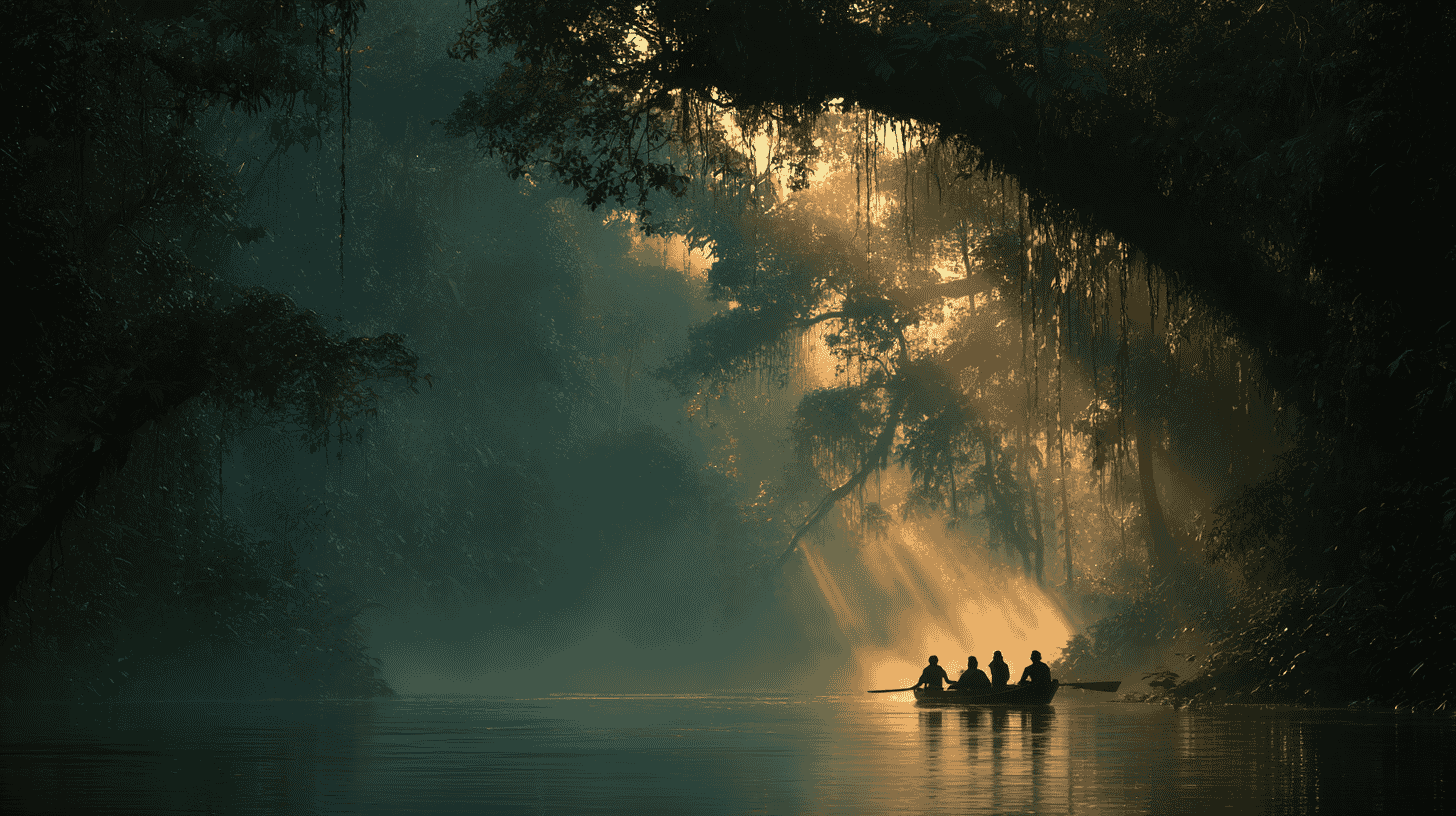
The Isolados are indigenous peoples living deep in the Amazon without contact with the outside world. After vanishing from view ten years ago, they reappeared in late 2024 as a group of more than a hundred. The NHK Special "Isolados: Deep in the Last Forest" traces deforestation and illegal mining behind that reappearance. Here is what the programme showed, and the unresolved question of protection or assimilation.
What Are the Isolados?
"Isolados" is a Portuguese term meaning "isolated people." It refers to indigenous tribes living deep in the Amazon rainforest who have never had contact with modern civilization, or have had only minimal, accidental encounters. These are not a single ethnic group but rather a collective term for uncontacted indigenous peoples, with over 100 such groups estimated to exist primarily in Brazil and Peru.
Their existence poses fundamental questions about what it means to be human and what civilization truly represents. The fact that people continue to maintain lifestyles passed down for over 10,000 years, surviving in the depths of the forest without being absorbed by modern society, has left a profound impression on Japanese viewers.
Program Overview
NHK Special "Isolados: Deep in the Last Forest" was broadcast on November 16, 2025, at 9:00 PM on NHK General Television. The narration was performed by acclaimed actor Kaoru Kobayashi.
This documentary is a sequel to the highly acclaimed "Great Amazon: The Last Frontier - Episode 4: The Last Isolados - Unknown People at Forest's End" that aired in 2016. The NHK team has been documenting the Amazon for over 25 years, with director Taku Kokubun, the Oya Soichi Nonfiction Award-winning author of "Yanomami", at the helm of this project.
The 10-Year Gap
After filming the previous episode in 2014, sightings of the Isolados ceased entirely, leading some to speculate they had "vanished from the earth." However, the situation changed dramatically in late 2024 when a large group of over 100 individuals suddenly appeared. The region became tense as incidents of Isolados entering villages and attacking residents across the river multiplied.
Program Highlights
Reunion with "That Family" from 10 Years Ago
The film crew encountered a remarkable sight: the same family they had met a decade earlier. Emerging from the forest on the opposite riverbank, they had undergone what the crew described as a significant "transformation." This reunion stands as one of the documentary's most moving and shocking moments.
Following Romel, the Isolados Guardian
The program offers an intimate look at Romel (Romeu), an indigenous man from the Ine tribe who serves as an Isolados protection officer. His family history gives him a unique connection to the uncontacted people.
In 1902, Romel's great-grandfather escaped from a Spanish rubber plantation where he had been enslaved. During the escape, the group split into two, one half disappeared into the forest and was never seen again. "My sons, find our friends (Nomore) who were separated in the forest", this promise of reunion, passed down for 100 years, drives Romel's dedication to his mission.
Local people call the Isolados not "Mashco Piro" (meaning "violent savages") but "Nomore" (relatives, friends, family), reflecting their desire for peaceful coexistence.
Why Have the Isolados Emerged Now?
The documentary's central mystery is why the Isolados have appeared in such large numbers after a decade of silence. The answer lies in the severe environmental changes threatening the Amazon:
- Deforestation: Illegal logging rapidly shrinking their habitat
- Illegal gold mining: Mercury contamination causing health and environmental damage
- Climate change: Increased forest fires due to drought conditions
- Drug cartel intrusion: Conflicts with illegal loggers and narcotics traffickers
The program suggests their "emergence" is not coincidental but rather a desperate "survival action" by people pushed to their limits.
Connection to COP30
The programme went out while the 30th Conference of the Parties to the UN Framework Convention on Climate Change (COP30) was under way in Belem, Brazil. Held at the gateway to the Amazon, it put indigenous land rights, traditional knowledge, and the role of indigenous peoples in conservation among the main agenda items, with the largest indigenous participation on record.
While uncontacted tribes obviously cannot attend COP30, their existence and crisis serve as powerful symbols of why Amazon protection matters to the world.
The Challenge of Coexistence
Intentional contact with Isolados is prohibited by law. The reason is history: diseases carried in from outside have wiped out a great many tribes. For a population with no immunity, contact has often been fatal. Protection or assimilation? There is still no clear answer.
The documentary shows people attempting to maintain an appropriate distance while protecting the Isolados. Their existence serves as a mirror reflecting our civilization and offers important insights into humanity's future.
Related Programs and Publications
Related Broadcasts
- Close-up Gendai "Isolados: Unknown People Emerge After 10 Years in Amazon": November 17, featuring Amazon environmental changes
- Rebroadcast: Original 2016 NHK Special "The Last Isolados" aired on November 14
Related Books
- "Nomore" by Taku Kokubun (Shinchosha): Nonfiction born from the documentary's research, centering on the 100-year-old "promise of reunion"
- "Yanomami" by Taku Kokubun: Oya Soichi Nonfiction Award winner documenting 150 days with Brazil's Yanomami tribe
- DVD "Isolados: Unknown People at Forest's End": Includes Kotaro Sawaki's 2003 philosophical journey and the 2016 broadcast
Broadcast and Streaming
The programme aired on NHK General on Sunday, November 16, 2025, from 21:00 to 21:49. Catch-up streaming on NHK ONE (formerly NHK Plus) ran until November 23, and the partial free window on NHK On Demand until November 30. Both have closed; check NHK On Demand for current availability.
This documentary recording the "present reality" of people living isolated from civilization raises many questions for viewers. Indigenous rights protection and environmental issues are discussed differently around the world. How are these topics addressed in your country? We'd love to hear your perspective.





Global Discussion
15 comments