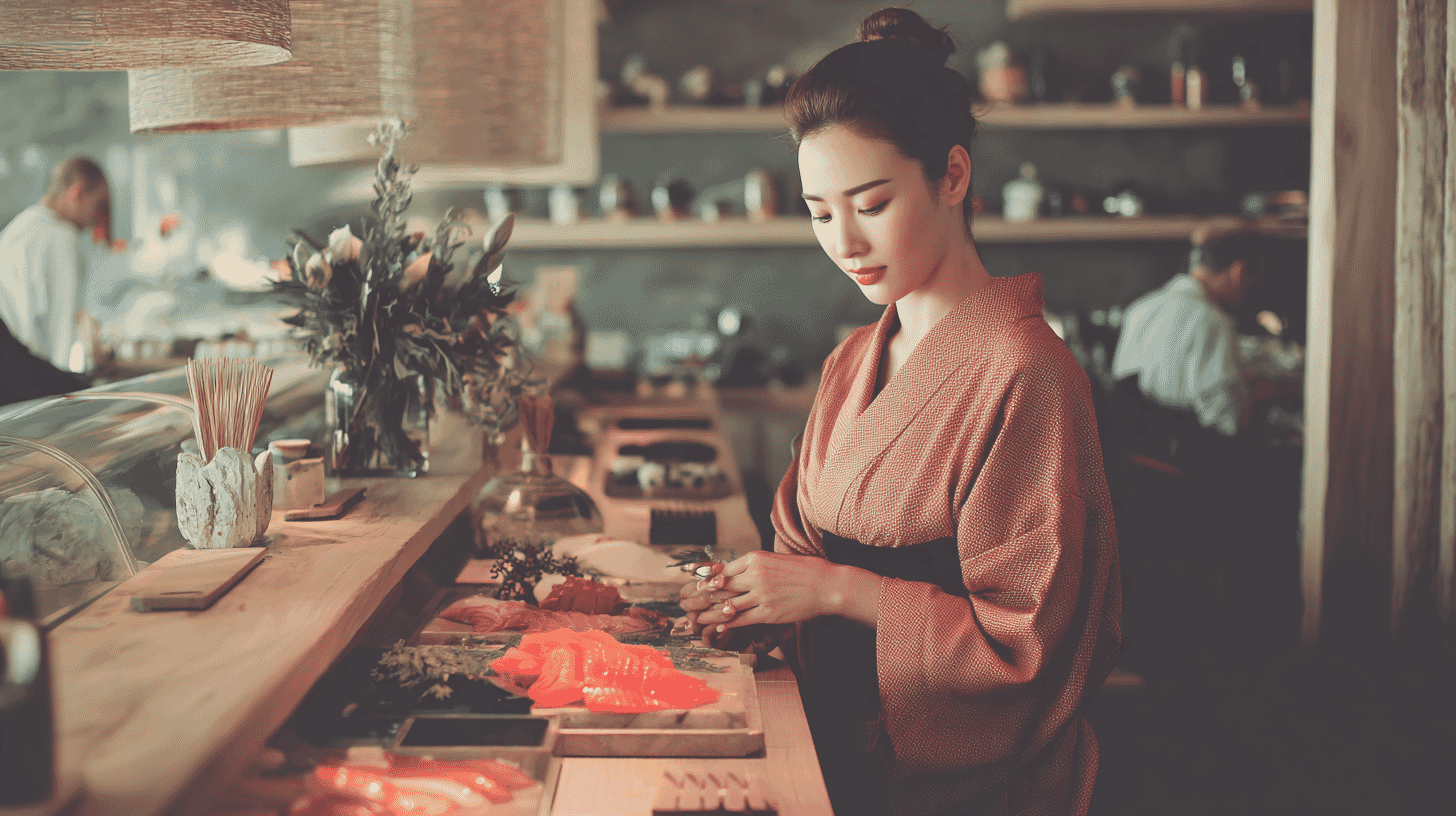
Japan prefers unscented, and perfume comes with its own etiquette. Where the West treats fragrance as self-expression, Japan puts consideration for the people around you first. Here are the places and moments to leave the perfume at home.
Understanding Japan's "Unscented Culture"
Japan uses less perfume than most developed nations. Research firm Fuji Keizai put the domestic fragrance market at 50 billion yen in 2023, with 54.7 billion expected in 2024. It is growing, but it remains a small slice of the wider cosmetics market.
A few things explain the gap. The humid climate makes scent carry harder. Trains and elevators put people close together. And the culture puts harmony and consideration for others first.
Body chemistry gets mentioned too. How strong underarm odor is depends partly on a gene called ABCC11: its variant changes how much odor-producing secretion the apocrine glands release, and the same gene decides whether earwax is dry or wet. Seventy to eighty percent of people in Japan have the dry-earwax type, while most people of European or African descent have the wet type. With a larger share of people producing little body odor, the argument goes, there was never the same need to mask it with fragrance.
9 Places and Occasions to Avoid Wearing Perfume
1. Japanese Restaurants, Sushi Bars, and Kaiseki Establishments
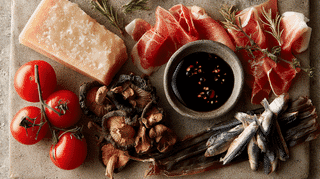
Japanese cuisine places tremendous importance on subtle aromas. At sushi counters and kaiseki restaurants, the delicate fragrance of fresh seafood, dashi broth, and seasonal ingredients is integral to the dining experience. Perfume interferes with these carefully crafted sensory elements. Perfume covers those flavors up. If you're sitting at the counter, leave it off.
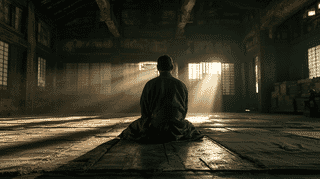
2. Tea Ceremonies and Tea Gatherings
The Japanese tea ceremony (sadō or chadō) involves a carefully orchestrated sensory experience including the aroma of matcha, charcoal, and incense. Wearing perfume disrupts this harmony and shows disrespect to the host. When attending a tea ceremony, avoid not only perfume but also strongly scented cosmetics and hair products.
3. Hospitals and Medical Facilities
Hospitals are filled with people who are unwell, including those experiencing nausea or heightened sensitivity to smells. The fragrance that you find pleasant could cause discomfort or even illness in others. This applies whether you're visiting as a patient, a visitor, or accompanying someone.
4. Funerals and Wakes
Fragrance carries connotations of celebration and glamour, making it inappropriate for solemn occasions honoring the deceased. Wearing perfume to a funeral is considered disrespectful and thoughtless. Avoiding fragrance at memorial services is a fundamental social expectation in Japan.
5. Workplaces and Business Settings
While not universally prohibited, perfume is generally discouraged in Japanese workplaces. It's particularly inappropriate in customer-facing roles and food-related industries. For job interviews, it's safest to avoid perfume entirely. If you must wear fragrance in professional settings, choose subtle soap-like or citrus scents and apply sparingly to areas below the waist.
6. Crowded Trains and Public Transportation
In a packed carriage, even a pleasant scent can become "fragrance pollution." In summer perfume mixes with sweat. Skip it for the commute, or reapply once you arrive.
7. Fine Dining Restaurants
Even at French and Italian restaurants, cuisine appreciation includes savoring aromas. This is especially true when wine tasting is involved. While you might want to make a special impression on a date, avoid applying perfume to your upper body. If you must wear fragrance, apply minimal amounts behind your knees or at your ankles.
8. Gyms, Yoga Studios, and Spas
Exercise environments mean sweating, which can cause perfume to mix unpleasantly with body odor. Yoga studios and spas prioritize relaxation and focus, where others' fragrances can be distracting. Going fragrance-free is the considerate choice in these settings.
9. Movie Theaters and Concert Halls
You sit close to strangers for a long stretch. The Consumer Affairs Agency has logged complaints from people who felt ill after someone wearing strong perfume sat beside them at the cinema. Go light, or skip it that day.
"Kōgai": Fragrance Pollution as a Social Issue
Japan has developed an awareness of "kōgai" (香害), literally "fragrance damage": health problems caused by scent compounds in perfumes, fabric softeners, and similar products. Symptoms include headaches, nausea, dizziness, and allergic reactions.
Some people develop chemical sensitivity syndrome, where even tiny amounts of fragrance trigger severe reactions. In serious cases they can no longer attend school or work. Five ministries and agencies, the Consumer Affairs Agency along with the education, health, industry and environment ministries, issued a poster in 2021 reading "That scent may be troubling someone," revised in 2023 to "Some people ARE troubled by that scent."
Tips for Enjoying Perfume in Japan
To appreciate fragrance while respecting Japanese customs, consider the following guidelines.
Choose subtle fragrances. Japanese preferences lean toward fresh, clean scents like soap, citrus, and green notes rather than heavy, musky, or sweet fragrances. Opt for eau de toilette or eau de cologne rather than concentrated parfum.
Apply sparingly. One or two sprays maximum should be your guide. When you can barely detect the scent on yourself, it's probably just right for others. Your nose adapts to familiar scents, so err on the side of less.
Placement matters. The upper body pushes scent outward, so for something subtle go below the waist, behind the knees or at the ankles, or inside your clothing.
Apply 30 minutes before going out. Freshly applied perfume is strongest. Let the scent settle before entering public spaces.
What About Your Country?
What are the perfume customs in your country? Are there places where fragrance is forbidden, or conversely, where it's especially welcomed? We'd love to hear about your culture's relationship with scent!




Global Discussion
15 comments