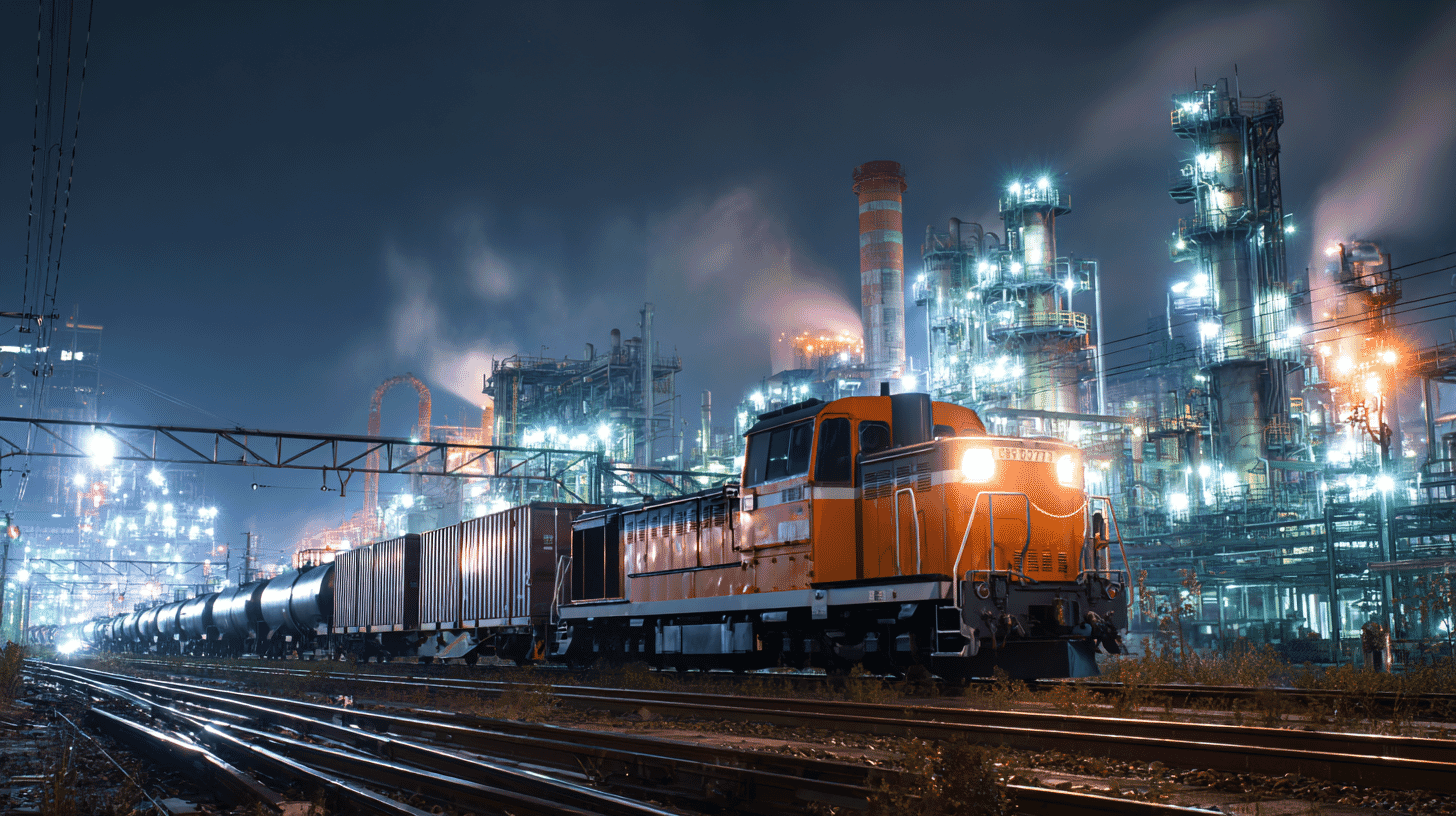
Ibaraki's Kashima Rinkai Railway is an unusual regional line that runs both a freight route carrying chemicals and other goods and a passenger line between Mito and Kashima. As passenger numbers keep falling from their 1992 peak, special trains on the freight-only line for factory night-view tours have become popular. With the 2024 logistics problem prompting a fresh look at rail freight, here is that two-track model as a way for a regional railway to survive.
A Half-Century of History Alongside the Industrial Zone
Kashima Rinkai Railway, operating along the Pacific coast of Ibaraki Prefecture, represents a unique model in Japan's regional railway landscape. Established in 1969 as a third-sector railway company, it was originally created to transport raw materials and products for the Kashima Coastal Industrial Zone, one of Japan's major petrochemical complexes.
The railway's primary shareholder remains JR Freight, reflecting its origins as a freight-focused operation. The founding partnership brought together the former Japanese National Railways (JNR), Ibaraki Prefecture, and various industrial companies establishing factories in the area.
The Japan Railway Construction Public Corporation was building the Kita-Kashima (now Kashima Soccer Stadium Station) to Mito stretch of the national Kashima Line, but JNR's finances put its opening in doubt. Kashima Rinkai Railway took the line over and opened it in 1985 as the Oarai Kashima Line. This decision transformed the company into a rare regional railway operating both freight and passenger services.
Two Lines, Two Business Models
Today, Kashima Rinkai Railway operates two distinct railway lines with fundamentally different purposes.
Kashima Rinko Line (Freight)
- Route: Kashima Soccer Stadium Station to Okunoyahama Station (19.2 km)
- Operations: 3 round trips daily to Kamisu Station, 1 round trip to Okunoyahama (excluding Sundays and holidays)
- Primary cargo: Chemical products, industrial chemicals, food industry materials
- Connection: Links to Tokyo Freight Terminal and Koshigaya Freight Terminal via JR Freight network
Oarai Kashima Line (Passenger)
- Route: Mito Station to Kashima Soccer Stadium Station (53.0 km)
- Through-service to JR Kashima Jingu Station (additional 3.2 km)
- Serves commuters, students, and local residents
The freight-only Kashima Rinko Line doesn't appear on standard railway maps and remains largely unknown to the general public. However, this "hidden line" is now attracting attention as a unique tourism asset.
Factory Night Tours: A New Frontier in Industrial Tourism
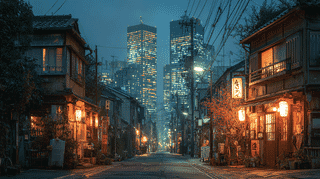
The "Kashima Coastal Industrial Zone Factory Night Tour," launched during the 2023 Ibaraki Destination Campaign, has become a surprise hit among railway and photography enthusiasts.
This tour operates special passenger trains on the usually freight-only Kashima Rinko Line, offering participants a chance to experience the mesmerizing nighttime scenery of the industrial zone. Most significantly, passenger trains running to the terminus at Okunoyahama Station marks a historic first since the line's opening in 1970.
The tour has run every year since, in partnership with JTB's Mito branch. The February 22, 2026 edition gathered at Oarai Station at 15:45, paused near Kitaura Kohan for the sunset over the lake, then turned onto the Kashima Rinko Line, reaching Okunoyahama at 18:05 and returning to Oarai at 19:47. It cost ¥16,000 a head, commemorative ticket included, with 64 places sold first-come, first-served.
"Factory night views" (kojo yakei) have become a popular tourism genre across Japan in recent years. Cities like Kawasaki, Yokkaichi, and Shunan offer night cruises and bus tours of their industrial zones. Kashima Rinkai Railway differentiates itself by providing access to a normally restricted freight line, a uniquely railway experience that cannot be replicated by other transport modes.
The 2024 Logistics Problem and Railway Freight Renaissance
Kashima Rinkai Railway's freight business is experiencing renewed relevance amid Japan's "2024 Logistics Problem."
Starting April 2024, strict overtime regulations limiting truck drivers to 960 hours annually came into effect, creating widespread concerns about transportation capacity shortages. Government projections suggest that without countermeasures, logistics capacity could fall short by 14% in 2024 and 34% by 2030.
The proposed solution is "modal shift", transitioning freight from trucks to railways and maritime shipping. The government aims to double railway freight volume from 18 million tons to 36 million tons over the next decade.
Kashima Rinkai Railway transports chemical products and industrial chemicals, including hazardous materials with flammable or toxic properties. Railway transport is considered safer than trucking for such cargo, and specialized tank containers are used for these shipments.
Environmental considerations also favor rail freight. Transporting one ton of cargo over one kilometer generates approximately one-tenth the CO2 emissions compared to trucking. As Japan accelerates its transition to carbon neutrality, this environmental advantage is gaining renewed appreciation.
Challenges Facing Regional Railways
Meanwhile, the passenger segment on the Oarai Kashima Line faces ongoing difficulties. Annual ridership peaked at approximately 3.59 million in 1992 but has declined steadily since, affected by increasing car ownership, declining birth rates, and regional depopulation.
The company fell into deficit in 1994, briefly returned to profitability in 2001, but entered deficit again in 2009. Aging rolling stock and infrastructure have increased maintenance costs, further straining finances. In October 2024, the railway implemented its first fare increase in approximately 30 years.
Local governments and stakeholders continue implementing various ridership promotion initiatives. Trains wrapped with characters from the anime "Girls und Panzer" increased non-regular passengers by 3% in 2016. Special tickets for seniors over 70, soccer match commuter passes, and cycle-train services represent the diverse approaches being employed to sustain the line.
Rolling Forward on Two Tracks
Freight gives the company a stable revenue base; the factory scenery that freight created gets sold as tourism. Those two together are what keep Kashima Rinkai Railway going. It is one answer, at least, to the problem every regional railway in Japan has.
Rail freight is back in the conversation because of the 2024 logistics problem, and industrial scenery has an audience. The times came to the Kashima Rinko Line, rather than the other way round.
What about in your country? How do freight railways and passenger services coexist? Are there similar initiatives to transform industrial areas into tourism destinations? We'd love to hear your perspectives!
References
- https://www.rintetsu.co.jp/company
- https://www.rintetsu.co.jp/freight
- https://en.wikipedia.org/wiki/Kashima_Rinkai_Railway
- https://travel.watch.impress.co.jp/docs/news/2078996.html
- https://www.nikkei.com/article/DGXZQOCC159N20V10C24A5000000/
- https://www.tsunagujapan.com/16-factory-zone-night-views-the-aesthetic-pleasure-of-industrial-complexes/




Global Discussion
15 comments