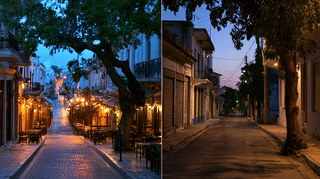
Japan halted new foreign hires for restaurants on April 13, 2026, near a 50,000 cap. Job changes stay legal, and one placement firm found 46.4% of July hires moving into big-city prefectures, up from 31.9% in March.
Captain Tsubasa: Rising Sun FINALS is back after about four months. Creator Yoichi Takahashi also owns the real Nankatsu SC, which finished third and has one October tournament left to keep its JFL hopes alive.
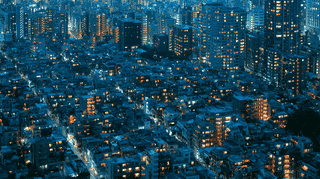
Tokyo's resident registry shows the city added 75,018 people during 2025, and 62,478 of them were foreign residents: 83 percent of the growth. Count only Japanese residents and Tokyo is down 3,238 over five years.
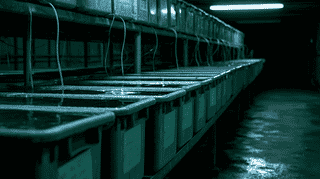
A Shizuoka lab has closed the breeding loop on the douman crab. Individual boxes are standard practice in Southeast Asia; what took eight years was larval die-offs and timing the female's molt.
Megane Fes 2026 takes over Sabae on September 19 and 20. Fukui makes 93.5% of Japan's eyeglass frames, and according to the Fukui Optical Association the town produced the world's first titanium glasses in 1983.
Shingo, a village of 1,919 in northern Japan, has had a tomb of Jesus since 1935, declared by a promoter of a forged chronicle. Almost nobody there believes it, yet the Shinto rite hit its 62nd edition in 2026.
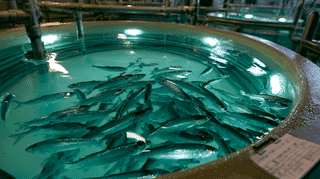
Murakami's salmon run fell from 55,000 fish to 1,400 in a decade. Now the town is spending about $32,000 to attempt what Norway and Chile have not: closing the life cycle of chum salmon entirely on land.
A paint maker in Imabari spent five years building a bear deterrent launcher called Kintaro. Its president fired it at his own body for a year and a half, and zoos refused to let him test it on a real bear.
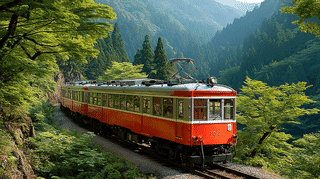
Odakyu Hakone will run a charter train on August 30, 2026 with every window pushed open on a 107-year-old railcar that has no air conditioning. The Hakone Tozan Railway's Type 100 retires in January 2028.
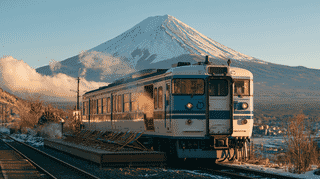
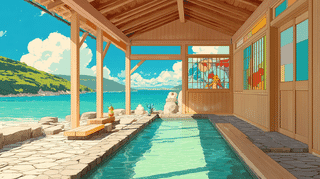
Fujikyu is turning a retired commuter train into SADEN, a day sauna sitting on the tracks at Shimoyoshida Station near Mt. Fuji. The Blue Train sleeping car that stood on the site will not be scrapped.
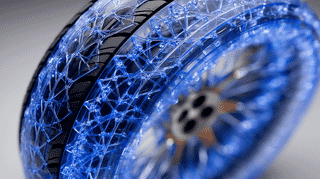
Bridgestone's airless AirFree tire is now in permanent service on an autonomous shuttle in Higashiomi, Shiga, a national first. How its puncture-proof resin-spoke design works, why driverless and MaaS fleets need it, how it contrasts with Michelin's Uptis strategy, and whether it's really Moon-bound.
On July 7, 2026, Noto Airport became the world's first airport to carry the Pokemon name. All 111 Flying-type Pokemon and a giant Pikachu now anchor a recovery push for the quake-hit Noto Peninsula. We unpack the airport's own damage-and-revival story, Japan's distinctive model of rebuilding through beloved characters, and how to visit.
A free Pokemon footbath opened in May to help quake-hit Noto recover. Less than two months later, three of its seven statues (Vaporeon, Psyduck and Gyarados) are damaged, and one has prompted a police report. A look at what happened and how Japan is reacting.
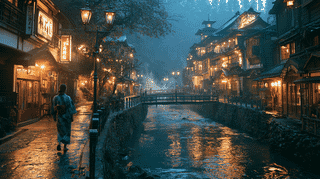
On June 19, 2026, Iizaka Onsen in Fukushima launched a town-wide all-inclusive plan: one ¥25,000 passport for 16 inns, 13 baths, and 25 shops, with local sake, disc gyoza, and day-baths on the house. A look at a shrinking spa town's bet on a whole-district tourism model.
A stray calico named Tama once saved a doomed rural rail line. Now Japan's Wakayama Electric Railway plans to turn the whole route into 'Nyanderland', a cat nation with passports, visas, and a queen.
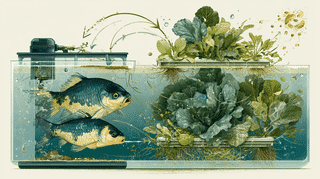
Aquaponics rarely pays as a standalone farm. So how does Aomori's closed-school project plan to make money? By monetizing the cafe, tours, education and welfare work around the tank, backed by public funds.
Yokkaichi City handed its reservoir grass-cutting to nine goats, dropping annual costs from $5,000 to $3,100. Meet the hungriest grounds crew in Japan and the comeback of goat grazing.
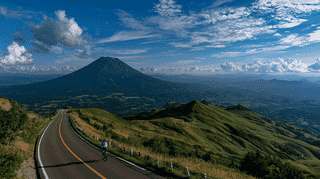
Niseko, Japan's premier ski resort, is moving beyond its winter-only image. We break down 'Niseko by Nature', the new brand from the Niseko Promotion Board (NPB), what a tourism DMO actually does, and how to enjoy Niseko's green season.
Japan's 2025 census preliminary count puts the population at 123 million, down 3.1 million in five years, the steepest drop since records began. The country fell from 11th to 12th in the world, overtaken by Ethiopia. We translate that number into cities you can picture, then compare how South Korea, Italy, and China face the same cliff, and ask whether Japan's immigration, birth-support, and regional-revival policies are working.
In Japan's science city of Tsukuba, a coffee roaster and the KEK physics lab created five drip-bag blends named after subatomic particles, each tuned to the particle's real character. Why visiting researchers love them as souvenirs.