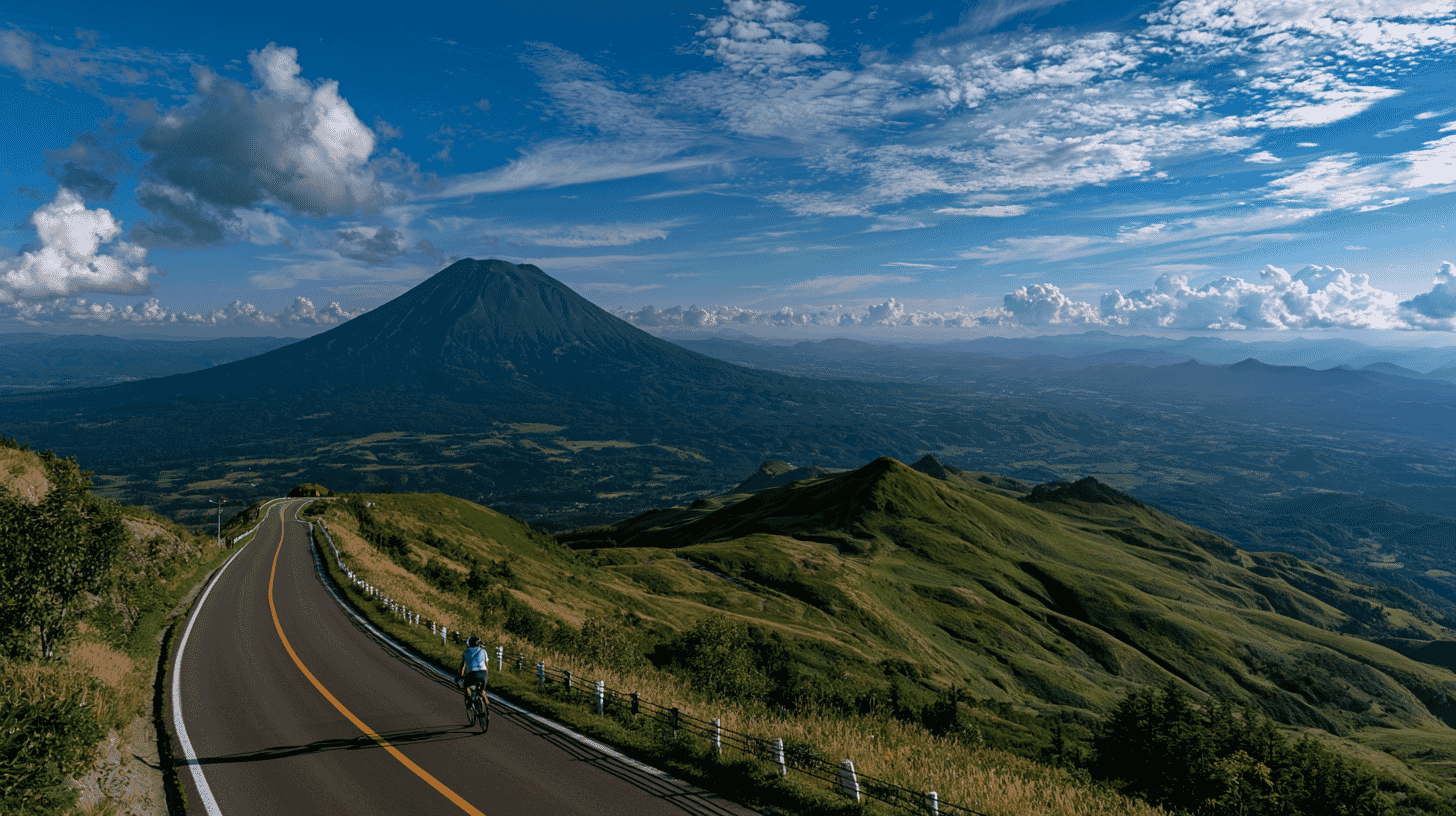
🏔️ Niseko is the closest thing Japan has to a globally recognized ski brand: the place that helped turn "Japan plus powder" into a single word, Japow. So it says something that the people who market it now want you to picture it without any snow at all. On May 25, 2026, the region's tourism body launched a new identity designed to sell Niseko twelve months a year instead of three. The pitch is simple: come for the summer rivers, the volcano trails and the farm tables; the snow will still be there in December.
Beyond the snow: Niseko's "second chapter"
The new banner is "Niseko by Nature," unveiled by the Niseko Promotion Board, the body that handles tourism for the area. It took roughly two years to build, shaped through workshops and research with local operators, the three town governments, and an outside branding specialist, Simon Clancy of the studio Consortium.
The name carries a deliberate double meaning. One reading is the literal landscape, the air, water, forests and volcanic ground that made the place. The other is the nature of Niseko as a destination: open, lived-in, and according to its makers, built by people who created world-class experiences in one of the country's remote corners. Rather than a slogan, the board frames it as a shared foundation meant to outlast trends, something the region can still be using in ten or twenty years.
Underneath the tagline, Niseko's appeal is broken into fifteen elements across three lenses: experience (wellness, seasonal food, retreats, crafts), place (village life, quiet shrines, mountain trails), and natural environment (Mt. Yotei and the surrounding peaks, volcanic terrain, rivers and wetlands). The visual kit is just as considered: a bold all-caps logo, and a fourteen-color palette with names pulled from the land itself: Shiribetsu Blue, Matsuri Red, Yotei Grey. Photo guidelines tell contributors to favor natural light and real moments, and to avoid the over-processed, posed look of typical resort postcards.
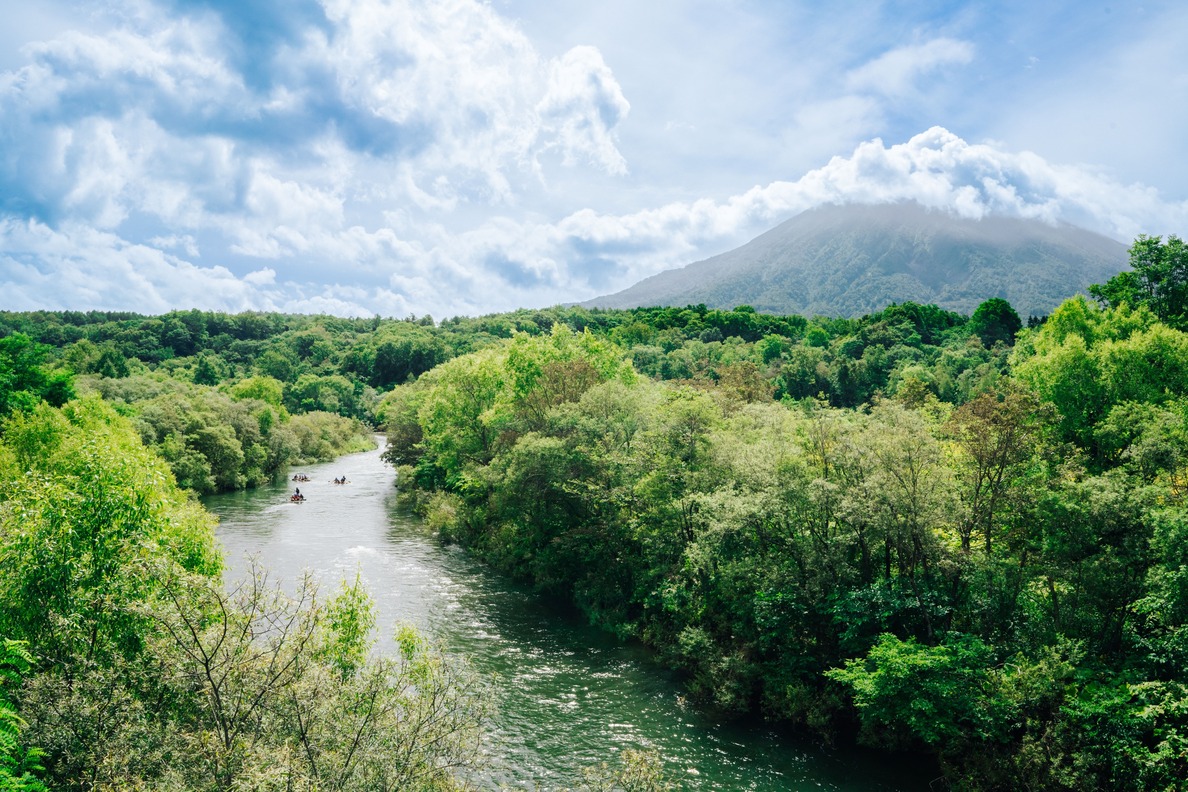
Source: Niseko Promotion Board
So what's a DMO, and does this board actually run Niseko?
The Niseko Promotion Board, or NPB, is a DMO: a Destination Management (or Marketing) Organization. The model, borrowed from tourism management worldwide, puts one body in charge of promoting and coordinating a whole area rather than leaving each hotel and ski hill to fend for itself.
NPB was set up in 2007 as a non-profit, funded mainly by membership fees from local businesses, to market the three towns of Kutchan, Niseko and Rankoshi as a single resort. It now counts more than 400 members, and Japan's national tourism agency has twice designated it a "priority-support DMO," in 2020 and again in 2021, a status that brings funding and a degree of national backing.
That sounds powerful, and in one sense it is: NPB is the unified voice of a place that draws skiers from Sydney to Singapore. But the kind of power it holds is worth pinning down. It can't levy taxes, pass rules, or force a single hotel to do anything. Its leverage is softer: it sets the shared story, supplies the imagery, and convenes the people who actually own the businesses. The most striking move in the rebrand was conceptual: the team stopped treating Niseko as four separate ski resorts and started describing it as three connected areas, and recast residents not as service staff but as part of what makes the place worth visiting. No ordinance required, just a different way of telling the story, which a DMO is unusually well placed to push.
Why walk away from a winter that works?
Niseko's winter clearly works, so the shift needs explaining. Part of it is generational. The operators who put Niseko on the map in the 1990s and 2000s are aging out, and the board says the region needs a vision its successors can inherit.
Part of it is what Niseko has quietly become. New hotels, international schools and wellness facilities have turned it into something rarer in Japan: a place people move to, not just visit. And part of it is plain math. A destination that earns most of its money in a roughly hundred-day winter window is exposed: to a warm season, a bad snow year, a downturn that lands in January. Spreading visitors across spring, summer and autumn is, for the local economy, a way to stop betting the year on the weather.
The summer almost nobody books
Here's the part most foreign visitors never see. Niseko's summer hovers around a cool 25°C while much of Japan swelters, and the valley turns into an outdoor playground.
The Shiribetsu River, one of Hokkaido's cleanest, is the centerpiece. Spring sends snowmelt roaring through for whitewater rafting; by summer the flow eases into a family-friendly float, with operators charging from around ¥5,500 (about $35) for an adult. Stand-up paddleboarding and gentle spring-fed canoe tours fill out the water menu. On land, cycling has taken off: road, gravel, mountain and e-bikes all share the rolling Niseko Panorama Line, the same terrain used by the Niseko Classic and HANAZONO Hill Climb races. There's hiking to alpine ponds like Shinsennuma and Hangetsuko, high-rope tree trekking through the forest canopy, golf and horse riding with Mt. Yotei as a backdrop, and tables that run from Michelin-starred dining to a farmer's plate of just-picked vegetables.
The groundwork is also being laid off the slopes. In summer 2025 the local tourism association trialed a free loop bus linking the town center and resort areas on weekends and holidays, a small step, but aimed squarely at making the green season easier to get around.
Update: The 2026 green season scaled the trial up. The loop bus runs weekends and holidays from July 18 to September 23, 48 days in all, at four circuits a day, against 11 days and three circuits the previous summer. It is organized by the Niseko Resort Tourism Association, operated by Niseko Bus, and still free to ride (as of July 2026).
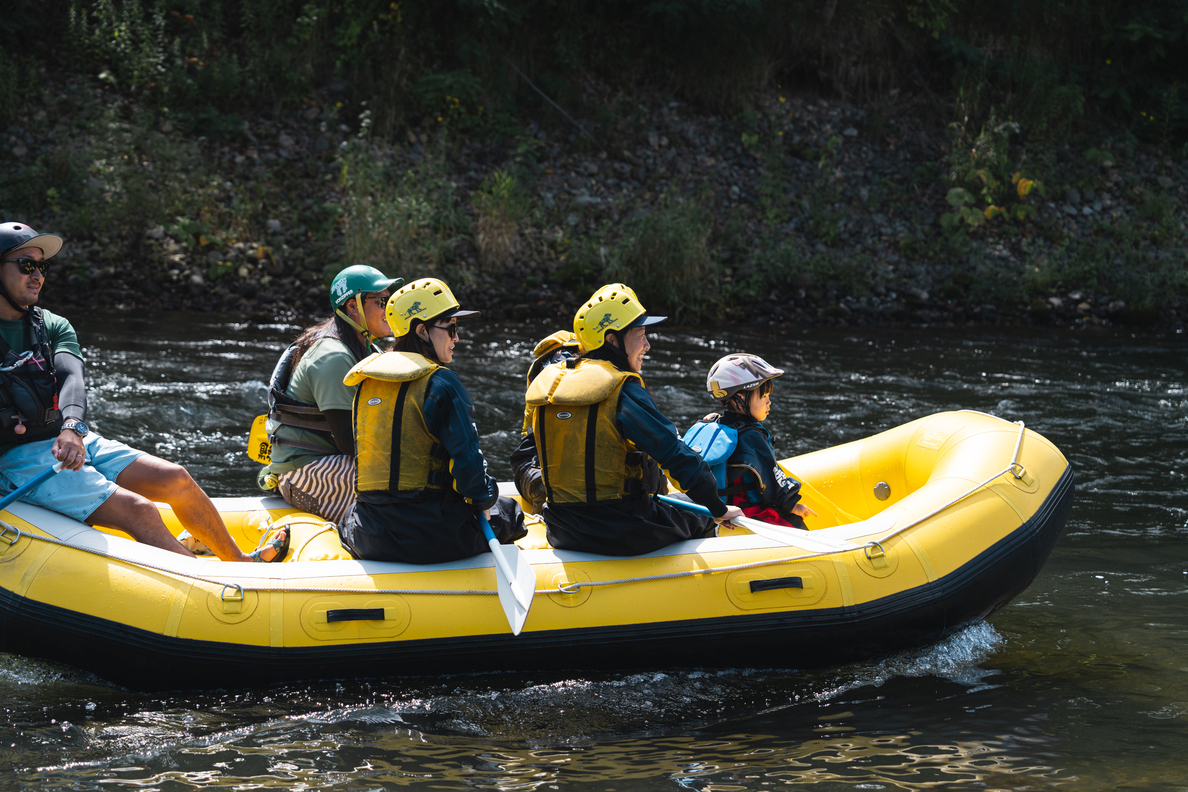
Source: Niseko Promotion Board
Can a winter brand learn all four seasons?
The activities already exist; the hard part is the map in people's heads. "Niseko equals a ski trip" is a sticky idea, and it's stickiest abroad, where the place is known almost entirely for snow. That's why the board talks in decades, not seasons: a rebrand like this is built to take that long to land. Whether a winter icon can convince the world it also breathes easy in July is the real experiment now underway.
Plenty of places face the same puzzle: a single peak season that overshadows everything around it. Does your country have a destination known for just one time of year, and has it ever managed to become something more?






Global Discussion
4 comments