🦗 The cicadas are crying again. Twenty years after the original TV anime first aired, Higurashi: When They Cry is getting a brand-new television series, same village, same voices, same studio. The teaser says it all: "Welcome back, everyone." But for longtime Japanese fans, the homecoming comes with a knot in the stomach.
(Mild spoiler note: this piece touches on how the 2020–2021 entries were received, but keeps the actual plot twists out of it.)
A surprise dropped on the franchise's most sacred day
On June 21, 2026, the Higurashi faithful gathered for something they do every year: marking the Watanagashi Festival, the in-universe holiday around which the whole horror saga turns. This year the date carried extra weight, it's exactly two decades since the first anime hit the air in 2006.
Midway through a livestreamed 20th-anniversary special on Niconico and YouTube, the screen cut to a new trailer, and the announcement landed: a new Higurashi TV anime is officially in production. Alongside it came a teaser visual of Rena Ryugu smiling under the tagline "Minna, okaeri," or "Welcome back, everyone," and a fresh anniversary logo built around a tear-off calendar with Rena's signature billhook tucked into the design.
The PV even includes newly recorded lines from Rena. There's no title yet, and no broadcast date. What there is, though, is enough to send the fandom into overdrive.
The cast nobody dared hope would all come back
Here's the part that broke people. Every core voice actor is returning:
- Keiichi Maebara: Soichiro Hoshi
- Rena Ryugu: Mai Nakahara
- Mion and Shion Sonozaki: Satsuki Yukino
- Satoko Houjou: Mika Kanai
- Rika Furude: Yukari Tamura
These are the same performers who voiced these kids in 2006. Twenty years on, the voices haven't drifted. Original creator Ryukishi07 (of doujin circle 07th Expansion) is back too, and the anniversary site carries comments from him and the cast, Soichiro Hoshi says he still knows nothing about the new story and is excited right alongside the fans, and Mai Nakahara shared similar anticipation.
And then there's the studio. Animation is being handled by Studio DEEN, the same studio behind the 2006 original and its 2007 sequel Kai. For longtime fans, that's not a minor footnote.
What Higurashi actually is, for the uninitiated
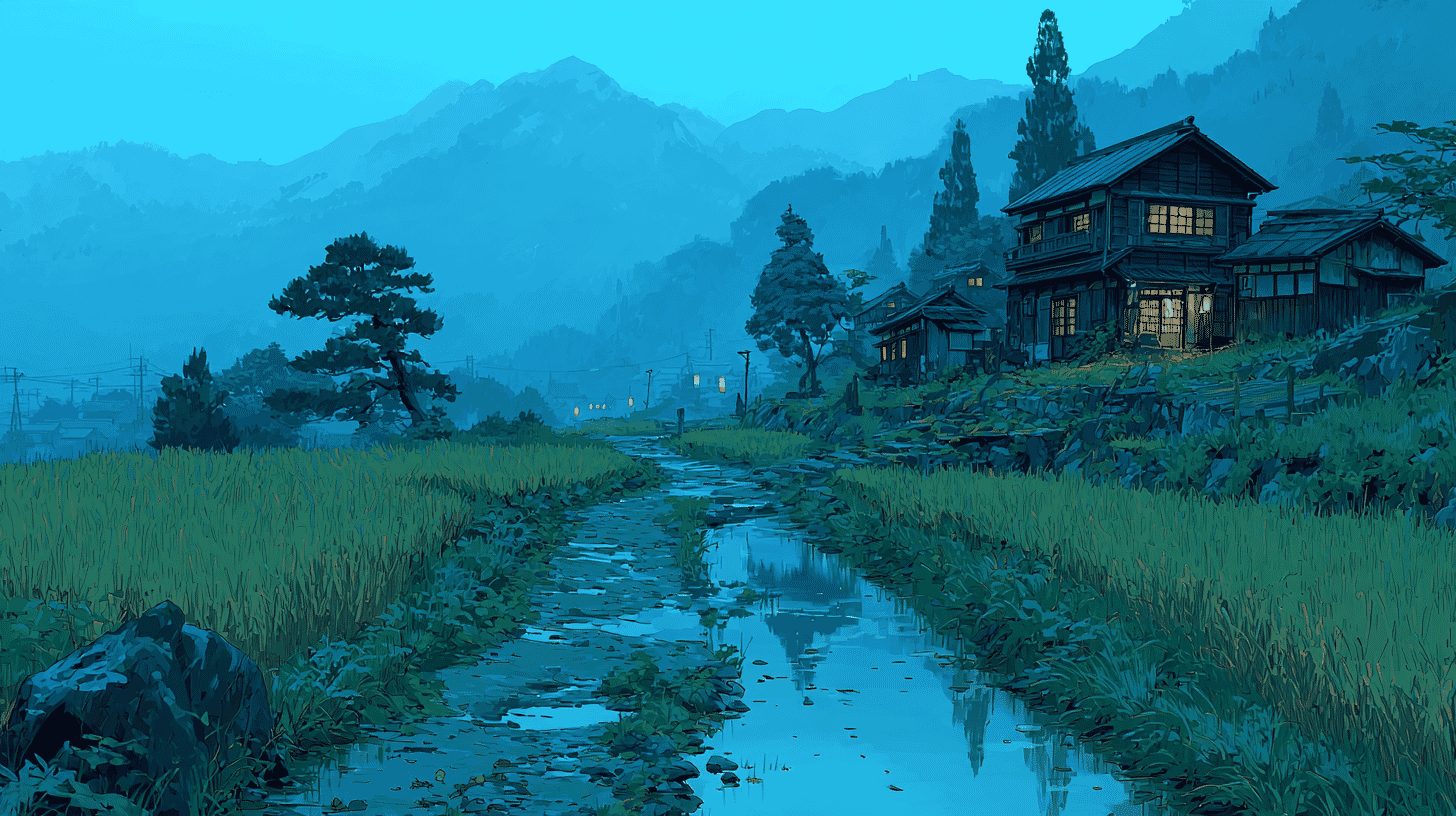
If you've never fallen down this particular well: Higurashi started in 2002 as a self-published "sound novel" sold at Comiket, Japan's giant doujin convention. It's set in Hinamizawa, a sleepy fictional mountain village in the late Showa era. Every June, the village holds the Watanagashi Festival, and every year on that night, one person dies and one vanishes. The locals call it the curse of Oyashiro-sama. A handful of teenagers keep getting tangled in the bloodshed, the same days seeming to repeat with different, worse outcomes.
What made it land was the structure: friendly, almost slice-of-life afternoons that curdle without warning into paranoia and violence. The franchise sprawled outward into manga, novels, a 2008 live-action film (released abroad as Shrill Cries of Summer), a stage play, and a TV drama. The anime DVDs alone are reported to have moved 400,000 units by 2009. It's a cornerstone of the mystery-horror corner of anime, and its cult following never really left.
Joy and dread, in the same breath
Within an hour of the reveal, the official post had racked up tens of thousands of likes and reposts and blown past a million views. "Higurashi new anime," "minna okaeri," and "Higurashi 20th" shot up the trends in Japan. The warm flood was immediate: finally, best present ever, I get to go back to Hinamizawa, the voices haven't changed and I'm not okay.
But scroll a little further and you hit the hesitation, and this is the more interesting half of the Japanese reaction.
The shadow hanging over everything is Gou and Sotsu, the 2020–2021 anime made by Passione. Gou pulled off a famous bait-and-switch, it looked like a straight remake, then revealed itself as something else entirely, and a lot of viewers loved the audacity. But Sotsu, the answer half, landed badly for a sizable chunk of the fanbase. "I was genuinely, genuinely let down by Sotsu" is a sentiment you can find all over Japanese blogs and note essays today, written by people who are happy about the new anime and bracing themselves at the same time.
So the question dominating Japanese threads isn't "are you excited", it's "what is this, exactly?" A faithful remake of the original some fans always wanted? A sequel? Another sleight of hand? Because Gou trained everyone to distrust first impressions, nobody is taking the "Welcome back" visual at face value. One widely shared note post put it plainly: half expectation, half anxiety. Another fan worried out loud that after two decades of the same characters in the same village, there may not be much untold story left to tell.
This is where Studio DEEN's return reads as reassurance. For fans who felt Gou/Sotsu lost the original's texture, having the 2006 studio back, the one that built Hinamizawa's specific dread in the first place, is the strongest signal yet that this new project is reaching back toward what made the series click, not doubling down on the divisive era.
Where to watch if you're outside Japan
Good news for overseas viewers wanting to do their homework before the new series lands. The 2020–2021 entries Gou and Sotsu stream on Crunchyroll, which inherited them after Sony folded Funimation's catalog in. The original When They Cry has been available on HIDIVE, and in South and Southeast Asia, Medialink has streamed the series on its Ani-One YouTube channel. Availability shifts by region and over time, so it's worth checking what's licensed where you are.
No streaming home for the new anime has been announced yet. But given the franchise's recent history on Crunchyroll, English- and Spanish-speaking fans probably won't have to hunt far once it airs.
The homecoming question
Twenty years is long enough that some of the kids who watched the original in 2006 now have kids of their own. "Minna, okaeri" is an invitation back to a place that was never comfortable to begin with, and the franchise is betting the pull of Hinamizawa outlasts the wariness.
Is there a horror or mystery series in your country that people would drop everything to return to after twenty years, even one that scared them half to death the first time? And when a beloved old title comes back, do you trust it, or brace for disappointment?
References
- https://natalie.mu/comic/news/677192
- https://www.famitsu.com/article/202606/79033
- https://dengekionline.com/article/202606/79037
- https://news.yahoo.co.jp/articles/47b310a722cdfca619c4e68befdf8c58919f1e3f
- https://www.animenewsnetwork.com/news/2026-06-21/higurashi-when-they-cry-franchise-gets-new-tv-anime/.238764
- https://en.wikipedia.org/wiki/Higurashi_When_They_Cry




Global Discussion
5 comments