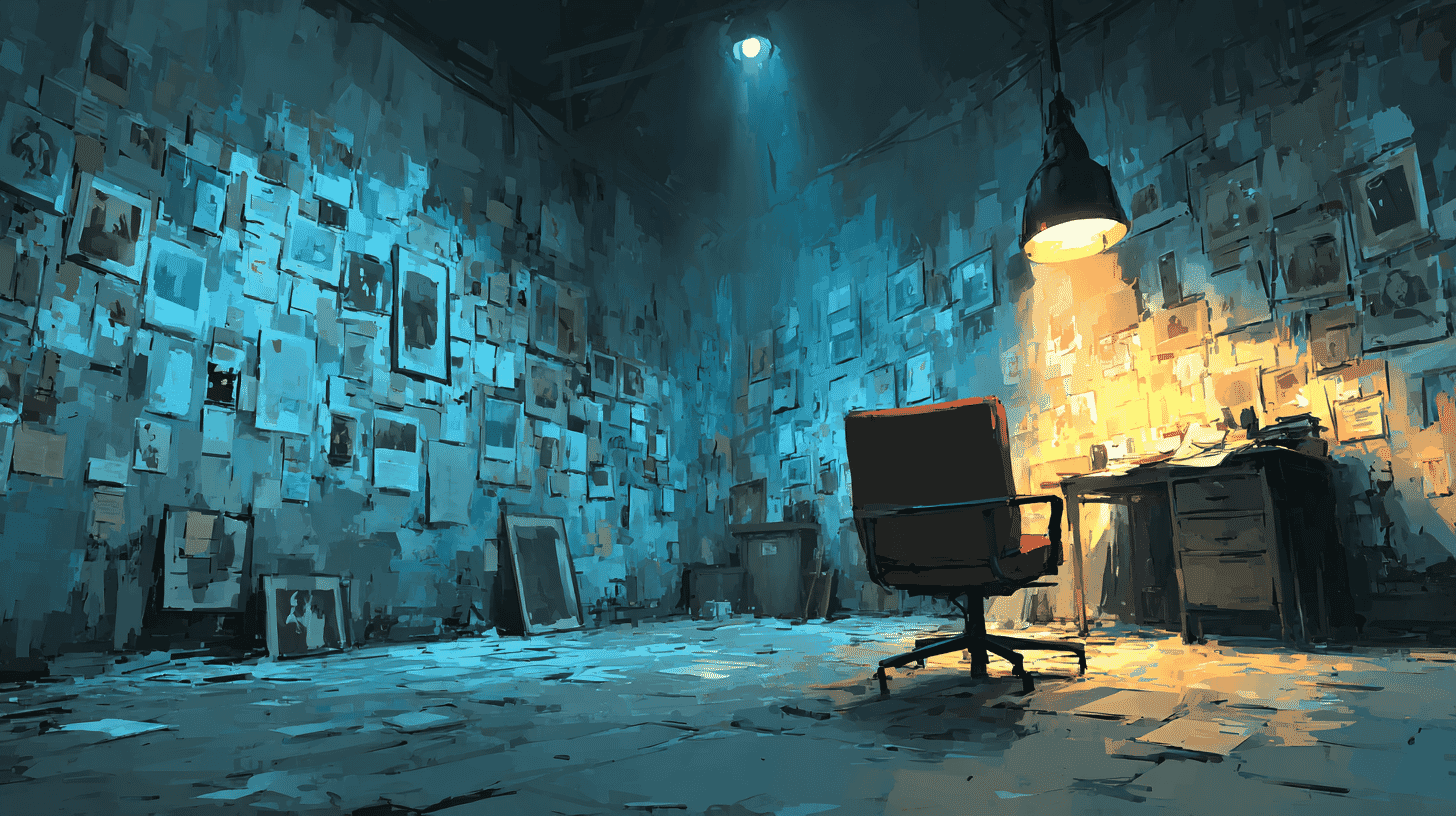
⚔️ The manga that started as a Twitter punchline and turned into one of Shonen Jump's biggest hits is taking its longest break yet. Kagurabachi pauses from the June 29 issue and won't be back until around August, and this time the wording from Tokyo carries a note of worry: the author wanted to keep going, and was told to stop.
What the editors actually said
On June 17, the series' official X account posted a note from the Weekly Shonen Jump editorial team confirming that Takeru Hokazono's Kagurabachi will go on hiatus starting with issue 31, the one hitting shelves on June 29. Serialization is expected to resume around August.
The part that caught everyone's eye wasn't the dates. It was the framing. Hokazono, the editorial note said, had wanted to keep working, but after discussions it was decided he would step away for a stretch so the series could continue in a more stable form going forward. No specific illness was named.
That is a different message from a routine week off. A one-off "sudden illness" notice reads as bad luck. "He wanted to keep drawing and we told him not to" reads as an intervention.
The third stumble this year
This isn't coming out of nowhere. Counting this one, Kagurabachi's schedule has slipped three times in 2026 alone, with a similar week off back in June 2025 before that, also attributed to Hokazono's sudden illness. Issue 25, out May 18, was skipped and attributed to sudden illness; issue 28, out June 8, was skipped as well. Now comes the open-ended one.
For a series that, until 2025, had been almost machine-steady since its September 2023 debut, that's a visible change of pattern. Readers who track these things have noticed the warning signs in the work itself, with some pointing to chapters in the previous arc's climax that looked rushed or unfinished. The weekly grind leaves very little room to be human, and Hokazono has spent the last year not just drawing a weekly chapter but also delivering magazine covers, a volume cover, color pages, and promotional art for the incoming anime, often stacked on top of one another.
Why fans aren't (mostly) angry
Here's the surprising part for anyone expecting a meltdown: the dominant reaction online has been relief, not rage. The loudest voices are telling Hokazono to rest, framing the break as overdue and well earned. A lot of the frustration that does exist is aimed not at the author but at the system, at a magazine model that runs creators at a weekly sprint pace for years on end and treats an unbroken release streak as a virtue.
There's gallows humor in the mix too, the kind manga communities do well, with fans joking about ritually sacrificing other, less-beloved authors to grant Hokazono eternal good health. Underneath the jokes is a genuinely consistent line: better a healthy creator and a slower comic than a sick one rushing to hit a deadline.
It helps that the story is in a strong position to absorb a pause. The first part of the manga wrapped in February 2026, so the narrative isn't being severed mid-cliffhanger in the way an abrupt stop sometimes is.
The stakes are higher than one comic
Kagurabachi matters to Shueisha more than its sales numbers alone suggest. When Jujutsu Kaisen and My Hero Academia both ended in 2024, the magazine lost two of its biggest pillars at once, and it needed a new flagship fast. Kagurabachi, already a phenomenon, slid neatly into that role. The series has cleared four million copies in circulation across eleven volumes, the eleventh of which arrived May 1.
And the biggest bet is still ahead. A television anime is set for April 2027, produced with Shochiku and CyberAgent at studio Cypic under director Tetsuya Takeuchi, with a globe-spanning "world tour" planned for this summer to screen the opening of episode one at anime events around the world. Anime adaptations have a long history of multiplying a manga's sales once they air. All of that machinery assumes a manga that keeps moving, which makes Hokazono's health not just a personal matter but a load-bearing one for a project with a lot of money and momentum riding on it.
Which is exactly why an extended, planned rest now, rather than a string of emergency one-week patches, may be the smarter call for everyone involved.
Worth the wait?
In Japan, the unbroken weekly chapter is still treated as a badge of honor, which is why a break like this one still makes the news. How are the people who make your favorite comics, games, or shows treated where you live, and would you happily wait longer if it meant a healthier creator behind the work?
Update: The break ran about a month, as the editors had signalled. Kagurabachi returned in Weekly Shonen Jump issue 35, on sale July 27, 2026.
References
- https://news.yahoo.co.jp/articles/e737693b0456ff0b6b7dd21f4f9c1bf907e9f46a
- https://www.animenewsnetwork.com/news/2026-05-17/kagurabachi-manga-takes-1-week-break-due-to-author-health/.237452
- https://comicbook.com/anime/news/major-shonen-jump-series-hit-with-sudden-hiatus-before-release/
- https://www.resetera.com/threads/kagurabachi-will-be-taking-a-hiatus-plan-is-to-return-in-august.1553152/
- https://natalie.mu/comic/news/676544
- https://www.oricon.co.jp/news/2467934/full/




Global Discussion
4 comments