Kawasaki's four-legged Home LEO prototype is meant to live with older people and notice falls, not do chores. What it says about Japan's stalled care workforce of 2.126 million, and what is still missing.
Tochigi police drop scent discrimination from their police dog exam after zero call-outs in 2025, as searches for missing people doubled from 61 to 120. Who do police dogs look for where you live?
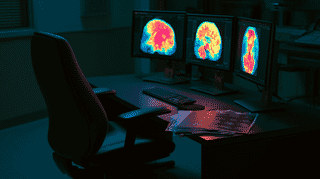
PET scans of 37 patients whose hallucinations began after age 40 found tau, the protein behind Alzheimer's, in 64.9% of them against 14.9% of controls. They split into three near-equal groups.
Damaged neurons were thought to be beyond repair. A University of Tokyo team led by Noboru Mizushima just challenged that in mice: switch the cell's cleanup system, autophagy, back on, and the protein junk clears, motor skills and memory return. A new angle on neurodegeneration from a disciple of Nobel laureate Yoshinori Ohsumi.
PETOKOTO and three partner organizations launched the Pet Guardianship Lab to tackle Japan's emerging 'pet refugee' crisis. As single households hit 40% and the population ages rapidly, a uniquely Japanese law-insurance-NGO consortium is building a safety net for pets whose owners die, are hospitalized, or develop dementia.
A Tohoku University-UC Irvine team led by Prof. Kei Igarashi has discovered that dopamine in the entorhinal cortex drops to less than one-fifth of normal levels in Alzheimer's mice, driving memory loss. Published in Nature Neuroscience, the finding suggests Levodopa—a Parkinson's drug used for over half a century—could restore memory in Alzheimer's, opening a new path beyond the amyloid-beta hypothesis behind drugs like lecanemab.