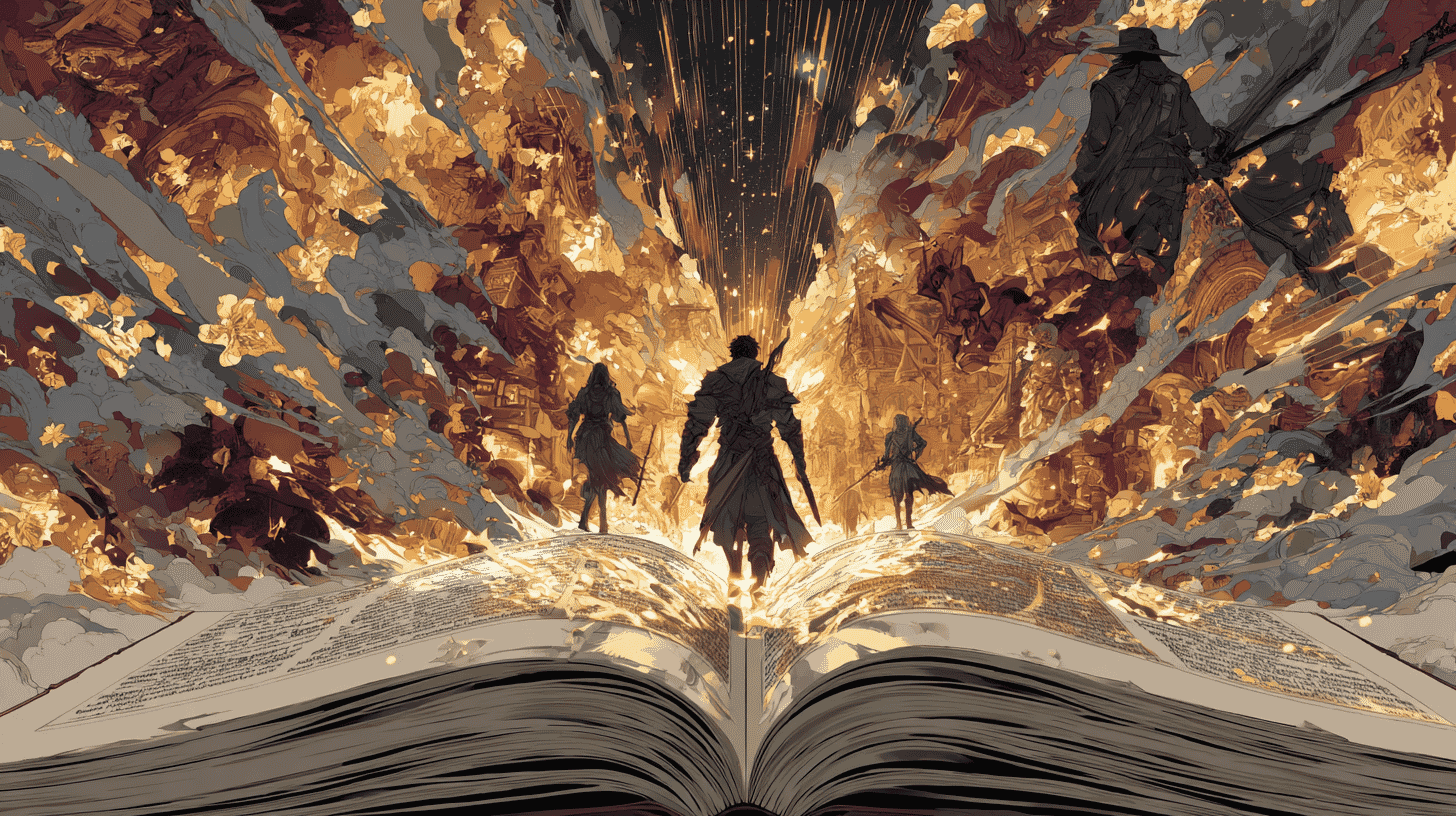
Resident Evil 2. Devil May Cry. Okami. Bayonetta. These legendary titles all share one thing: the vision of a single game designer, Hideki Kamiya. Now his entire 30-year career has been distilled into a single book, packed with 150,000 characters of his own words and hundreds of rarely published concept art pieces.
What's in the Book?
On April 2, 2026, KADOKAWA released The World of Hideki Kamiya: The Complete Work of Game Design That Creates "Pleasure", a 176-page, full-color, B5-format book priced at 3,520 yen (approximately $22.60). A digital edition launched the same day.
The book's central question is deceptively simple: why do Hideki Kamiya's games feel so incredibly satisfying to play? The answer unfolds through Kamiya's own commentary on every major title he has directed or supervised over three decades:
- Resident Evil 2 (1998)
- Devil May Cry (2001)
- Viewtiful Joe (2003)
- Okami (2006)
- The Bayonetta series (including Bayonetta Origins: Cereza and the Lost Demon)
- The Wonderful 101 (2013)
- Sol Cresta
Each title is explored through over 100 pieces of concept art, character design breakdowns, and behind-the-scenes development stories, all accompanied by Kamiya's personal reflections.
A Creator Bares His Soul
In a special message released on launch day, Kamiya described his games as children he has walked through life with. He called this book a miraculous opportunity, explaining that its realization required cooperation from multiple rights holders across the different companies where he worked throughout his career.
What makes this book more than a typical art book is its depth. Kamiya discusses his creative process, how he generates ideas, and his overall philosophy of game design. He noted that the book is written in accessible language rather than technical jargon, making it approachable for fans and aspiring game designers alike.
The text volume is staggering, 150,000 characters (roughly equivalent to a full-length novel in Japanese), making this one of the most comprehensive first-person accounts by a Japanese game designer ever published.
Who Is Hideki Kamiya?
For those unfamiliar with the man behind the games, here's a quick career overview.
Born in 1970 in Matsumoto, Nagano Prefecture, Kamiya joined Capcom in 1994. He quickly rose to prominence as the director of Resident Evil 2, one of the best-selling survival horror games of all time. He then created Devil May Cry, a game that famously began as an early prototype for Resident Evil 4. When Kamiya felt the fixed-camera system couldn't properly showcase the protagonist's combat style, he introduced a dynamic camera that emphasized stylish action. In doing so, he essentially invented the "stylish action" genre.
After Capcom's subsidiary Clover Studio closed in 2006, Kamiya co-founded PlatinumGames alongside Shinji Mikami (creator of Resident Evil) and Atsushi Inaba. There, he directed Bayonetta and The Wonderful 101, cementing his reputation as one of the most distinctive voices in action game design.
Kamiya departed PlatinumGames in October 2023. After a year away from the public eye, he joined Clovers Inc. in October 2024 as Studio Head and Chief Game Designer. He is currently directing a brand-new Okami sequel in collaboration with Capcom, news that electrified fans worldwide.
Why This Book Matters
Game art books are common. What makes this one exceptional?
First, it spans multiple companies and rights holders. Covering Capcom-era titles like Resident Evil 2 and Devil May Cry alongside PlatinumGames titles like Bayonetta required the cooperation of every company involved. Given that Kamiya's departure from PlatinumGames wasn't entirely smooth, the comprehensive inclusion of his PlatinumGames work is notable.
Second, this is Kamiya's first major publication since leaving PlatinumGames. It represents a kind of career retrospective at a pivotal moment, he's simultaneously looking back on 30 years of work while embarking on a new chapter with the Okami sequel.
Third, the concept of "pleasure" (快感, kaikan) as a design principle is something Kamiya has mentioned in interviews but never fully articulated. This book appears to be his definitive statement on what makes gameplay feel inherently satisfying, the moment-to-moment feedback loops, animation timing, and input responsiveness that define his design philosophy.
Will There Be an English Edition?
As of now, no English-language edition has been officially announced. However, international interest is substantial.
Western gaming outlets including Siliconera, Nintendo Life, and Noisy Pixel all covered the book's announcement, with readers expressing strong interest in a localization. Comments on Nintendo Life ranged from fans wanting to import the Japanese version just for the cover art to those pledging to buy an English edition immediately.
KADOKAWA has been actively pursuing international expansion in recent years, including a strategic partnership with Sony Group. Given the enormous global fan base for Kamiya's games, Bayonetta and Okami have passionate followings in North America and Europe, an English edition would make strong commercial sense.
That said, translating 150,000 characters of nuanced, personality-driven commentary and negotiating international licensing for artwork from multiple publishers would take significant time and effort. For now, international fans who can't read Japanese can still enjoy the hundreds of art pieces in the original edition, available through Amazon Japan and other retailers that ship internationally.
Looking Ahead: The New Okami
The book's timing feels intentional. Kamiya is currently developing a brand-new Okami game at Clovers in partnership with Capcom. For fans who read this book and gain deeper insight into Kamiya's design philosophy, particularly the sections on Okami's development, the anticipation for the sequel will only intensify.
The original Okami (2006) was a commercial underperformer but became one of the most critically celebrated games of its era. Its Celestial Brush system, which let players pause gameplay and paint on the screen to affect the game world, remains one of the most innovative mechanics in gaming history. Knowing how Kamiya thinks about design makes the prospect of a follow-up all the more exciting.
In Japan, it's rare for a game designer to compile such a comprehensive and personal account of their career. This book offers a window into how one creator's relentless pursuit of "pleasure" produced some of the most memorable action games ever made.
Does your country have a tradition of game designers publishing career retrospectives or design philosophy books? Who are the creators whose behind-the-scenes stories you'd most want to read? Let us know in the comments.
References
- https://prtimes.jp/main/html/rd/p/000019076.000007006.html
- https://group.kadokawa.co.jp/information/promotional_topics/article-14602.html
- https://www.kadokawa.co.jp/product/322502000944/
- https://www.siliconera.com/book-about-hideki-kamiya-appears-in-april/
- https://www.nintendolife.com/news/2026/02/legendary-developer-and-insect-blocker-hideki-kamiya-is-getting-his-own-book
- https://noisypixel.net/hideki-kamiya-book-complete-work-game-design/







Global Discussion
15 comments