The museum that many foreign travelers call Tokyo's best-kept secret is back. After four years behind construction barriers, the Edo-Tokyo Museum in Ryogoku has reopened with revamped exhibits, immersive projection mapping, and life-size recreations that let you walk straight into the streets of old Edo. Here's what to know before you visit.
Four Years in the Making
The Edo-Tokyo Museum, affectionately known as "Edohaku," reopened on March 31, 2026, after a renovation that ran roughly four years from its April 2022 closure.
This was the first major overhaul since the museum opened in March 1993, addressing three decades of wear while expanding the exhibition content. A covered walkway was added on the Kiyosumi-dori side so visitors can get in without an umbrella, and two barrier-free restrooms were built on the first floor. Opening day came with a one-off program: taiko drumming, Edo daikagura acrobatics, and costumed townspeople wandering the galleries.
Why Foreign Travelers Love This Museum
While the Tokyo National Museum in Ueno is often listed as Tokyo's top museum, its strengths lie in scholarly art presentations that can feel inaccessible without background knowledge of Japanese art history. The Edo-Tokyo Museum takes a fundamentally different approach: it tells the story of real people.
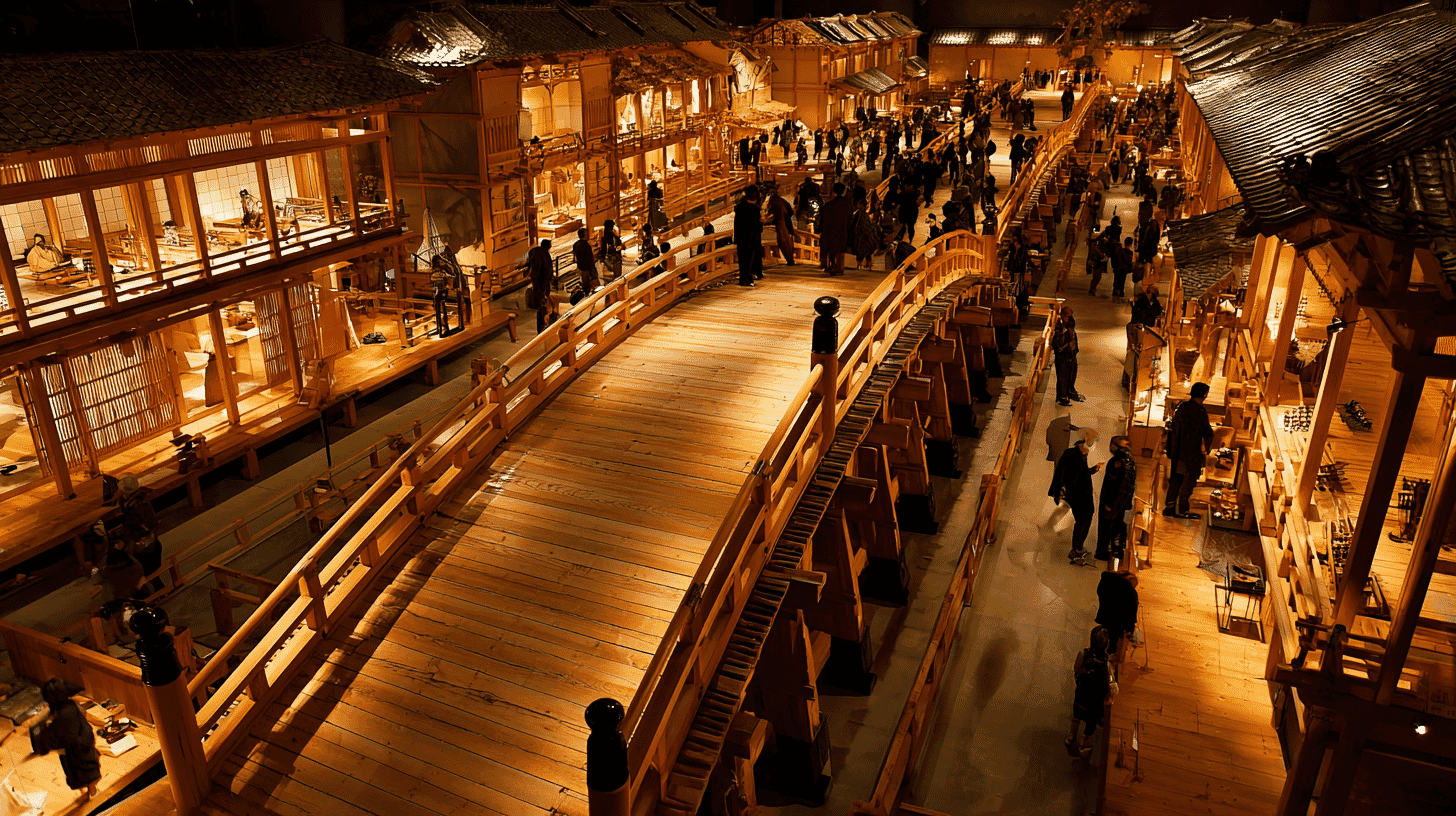
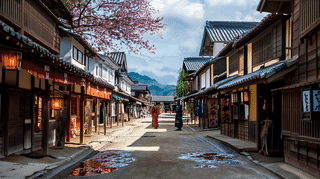
Spanning roughly 400 years from the establishment of Edo as the Tokugawa shogunate's capital through Tokyo's postwar recovery, the museum uses life-size architectural recreations, hands-on exhibits, and meticulously crafted scale models to immerse visitors in the daily lives of the people who shaped the city. You can cross a full-scale replica of Nihonbashi bridge, peer into merchant shops, and try carrying goods on a traditional shoulder pole.
Multilingual support was one of the renovation's stated priorities alongside spatial design and hands-on exhibits, a signal that the museum is doubling down on its international appeal.
What's New: Renovation Highlights
Space Design by Architect Shohei Shigematsu
The renovation's spatial design was overseen by Shohei Shigematsu, a partner at the architecture firm OMA. Working with the museum's distinctive elevated building, originally designed by Kiyonori Kikutake, Shigematsu introduced several new elements.
On the approach from JR Ryogoku Station, 24 torii-inspired monuments now line the path to the main entrance. LED panels set into their sides show figures walking from the present through Meiji and Taisho and into Edo; by evening the flow reverses and they walk back to the present. The monuments shrink in height as you near the entrance, so the trip backward through time registers in the body as much as the eye.
On the third floor, a 4,000-square-meter expanse of ceiling and columns serves as a canvas for projection mapping drawn from the museum's collection. Benches below invite visitors to sit and gaze upward.
New and Expanded Life-Size Models
The permanent exhibition has changed substantially. The former "Choya Shimbunsha" newspaper office model was rebuilt, following the historical record, into a full-scale recreation of the Hattori Clock Store, the clock tower that symbolized Ginza in the 1890s. It stands about 26 meters tall and now serves as the gateway into the Tokyo Zone, with exhibits inside. The Nakamura-za kabuki theater, previously viewable only from the outside, can be entered. So can one room of the munewari nagaya, the row-house tenement where ordinary Edo families lived. Four and a half tatami mats is a number until you stand in it.
New additions include a restored Meiji-era entrance gate from Asakusa Hanayashiki, one of Japan's oldest amusement parks, and a model of the Dojunkai Daikanyama Apartment, complete with period furniture and daily necessities from early Showa Tokyo. The Entaro Bus, Tokyo's first municipal omnibus and the first automobile designated an Important Cultural Property, has also joined the permanent display.
Immersive Visuals and Special Exhibitions
The sixth floor was reconfigured, with screens installed across three walls near the ceiling. They project skyscapes that shift between Edo and modern Tokyo through the day, rising behind Nihonbashi, the Nakamura-za, and the Hattori Clock Store. A new "Beauty of Edo" corner, walled in white like an art gallery, is where a complete showing of Utagawa Hiroshige's "One Hundred Famous Views of Edo" is planned.
The reopening is also marked by a special exhibition, "In Praise of Great Edo," running April 25 to May 24 in the first-floor special exhibition hall. Roughly 160 items cover samurai and townspeople's culture, from armor to ukiyo-e. Admission is ¥1,300 for adults (~$8.50), ¥1,040 for college and vocational students, and ¥650 for seniors 65 and over.
Practical Information
- Address: 1-4-1 Yokoami, Sumida-ku, Tokyo
- Hours: 9:30 a.m. to 5:30 p.m. (until 7:30 p.m. on Saturdays; last entry 30 minutes before closing)
- Closed: Mondays
- Admission: Adults ¥800 (~$5, up from ¥600 before the renovation), College/vocational students ¥480 (~$3), High school students ¥300 (~$2), Junior high and younger: Free, Seniors (65+) ¥400 (~$2.50)
- Access: 3-minute walk from JR Ryogoku Station (West Exit) / 1-minute walk from Toei Oedo Line Ryogoku Station (Exit A3/A4)
- Official Website: https://www.edo-tokyo-museum.or.jp/
Exploring Ryogoku: Sumo, Soba, and Hidden Gems
One of the best things about visiting Edohaku is its location in Ryogoku, the spiritual home of sumo wrestling. Right next door stands the Kokugikan, the arena that hosts three of the six annual Grand Sumo Tournaments (held in Tokyo in January, May, and September). Even outside tournament season, the Sumo Museum inside the Kokugikan displays portraits of past grand champions (yokozuna) and ceremonial aprons.
Along nearby "Chanko Street," you'll find restaurants specializing in chanko-nabe, the hearty hot pot that sumo wrestlers eat to build their formidable physiques. The museum's own renovated restaurant, "Wa Dining Koyomi," serves Ryogoku-inspired dishes including chanko steamed basket sets.
A short walk away, the Sumida Hokusai Museum, built on the site where ukiyo-e master Katsushika Hokusai was born, offers another layer of Edo-period culture. Tokyo Skytree is also within walking distance, and Asakusa's Senso-ji temple is just one station away. Ryogoku is arguably the best base for experiencing Tokyo's shitamachi (old downtown) culture in a single day.
The Verdict: Tokyo's Most Underrated Tourist Spot Returns
Edohaku may not have the name recognition of Shibuya Crossing or Meiji Shrine. But for travelers who want to understand how Tokyo became Tokyo, through the lives, crafts, food, and entertainments of ordinary people across four centuries, there's no better place.
Japanese museums increasingly favor stepping inside history over displaying it behind glass. Does your country have a museum that brings history to life in a similar way?
Global Discussion
15 comments