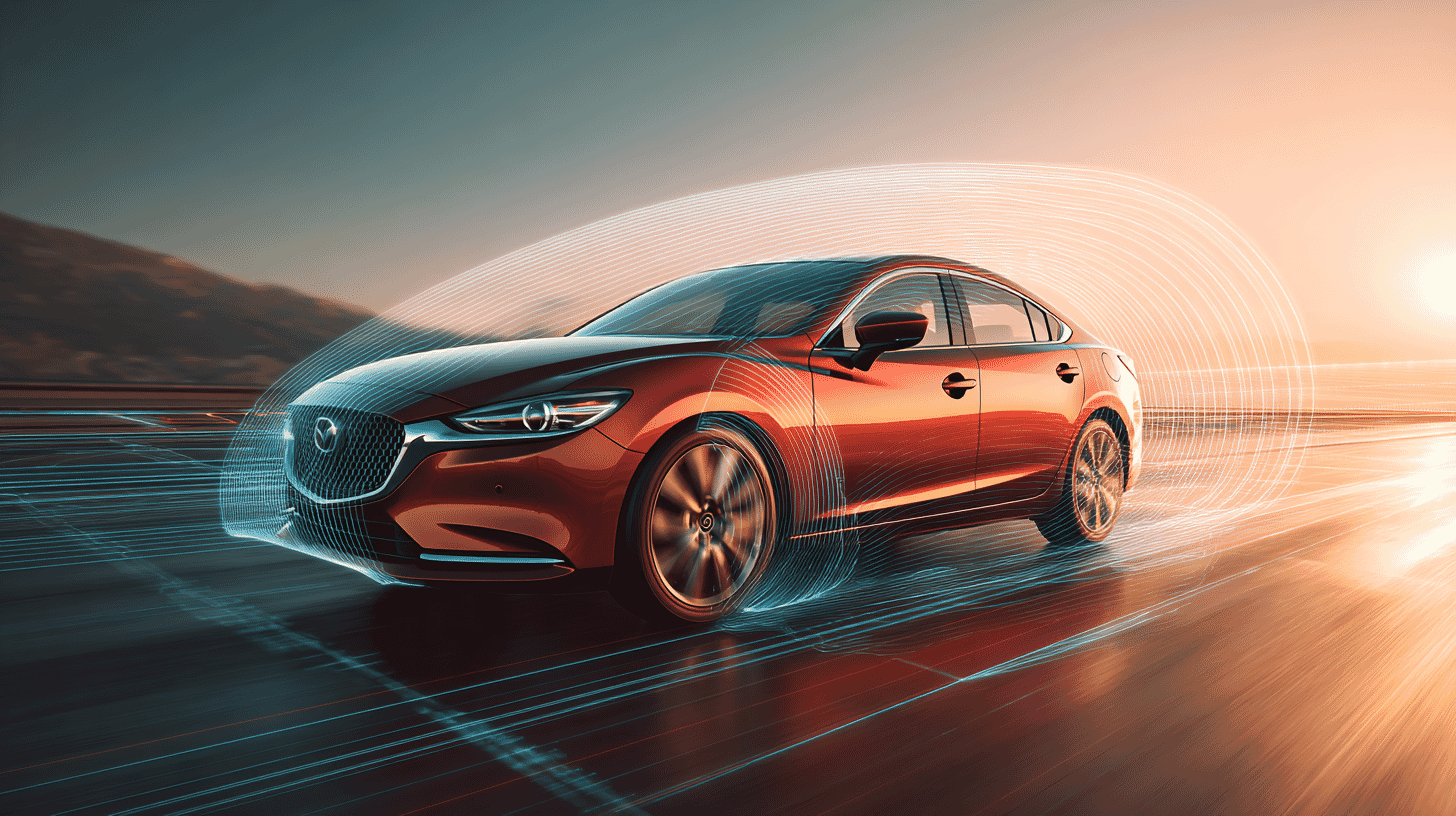
Think "safe car" means Volvo? Think again. The most trusted consumer magazine in the United States just released its first-ever brand-wide safety ranking, and the winner is Mazda, a relatively small automaker headquartered in Hiroshima, Japan. Here's how a company known for "the joy of driving" ended up beating Volvo, Mercedes, BMW, and Tesla in the safety game.
Mazda Crowned the World's Safest Car Brand
In February 2026, Consumer Reports (CR), America's most influential nonprofit consumer evaluation organization, founded in 1936, unveiled a groundbreaking new metric called the "Safety Verdict." For the first time, rather than rating individual car models, CR scored the 29 brands sold in North America on their overall commitment to vehicle safety.
The inaugural champion? Mazda.
This isn't a publication that plays favorites. CR accepts no advertising from any company, testing products with complete independence. In the U.S. car market, a CR recommendation can make or break a model's sales numbers, so earning the top spot in this new safety assessment carries enormous weight.
More Than Crash Tests: What the Safety Verdict Actually Measures
The Safety Verdict goes well beyond the traditional question of how well a car protects you in a crash. It also asks whether the car helps you avoid one in the first place.
The scoring uses three tiers:
Basic simply means the car meets the minimum federal safety standards set by the National Highway Traffic Safety Administration (NHTSA); nothing more.
Better raises the bar significantly. Vehicles must score above average in CR's own braking, emergency handling, and routine handling tests. They need automatic emergency braking with pedestrian detection as standard equipment across all trim levels, must weigh at least 2,500 lbs (about 1,134 kg), and must offer front-wheel or all-wheel drive. On top of that, they need strong results in Insurance Institute for Highway Safety (IIHS) crash tests.
Best, the top tier, demands all of the above plus: cabin controls that don't distract the driver, highway-speed AEB, blind-spot warning and rear cross-traffic alert as standard on every trim, and top marks in IIHS side-impact testing.
In short: it's not enough to survive a crash well. The safest cars are the ones that keep you from getting into one.
Why Mazda? The "Human-Centric" Safety Philosophy
Mazda didn't earn this honor with one standout model; it earned it by achieving consistently high safety standards across its entire lineup. According to CR, every Mazda model tested except the lightweight MX-5 Miata roadster received the highest "Best" rating. The Miata lost points on three counts: it weighs under 2,500 lbs, lacks highway-speed AEB, and is rear-wheel drive.
The pattern held elsewhere too. Mazda took eight 2026 IIHS TOP SAFETY PICK+ awards, more than any other brand (as of March 2026).
The key lies in Mazda's unique safety philosophy, known internally as "MAZDA PROACTIVE SAFETY." While many automakers focus on what happens during a crash, Mazda's approach starts with what the Japanese call "zero-level safety" (0次安全 / zero-ji anzen): making sure the car's fundamental design, pedal layout, seating position, visibility, steering feel, keeps the driver comfortable, alert, and in control at all times.
On top of this foundation, Mazda layers its i-ACTIVSENSE suite of driver-assistance technologies and the newer MAZDA CO-PILOT CONCEPT, which monitors the driver's physical condition and can automatically bring the car to a safe stop if the driver becomes incapacitated.
Jennifer Morrison, Mazda North America's Director of Vehicle Safety, noted: "Safety is foundational to Mazda's engineering philosophy. This recognition reflects the work of our global engineering teams to integrate advanced safety technologies and outstanding vehicle dynamics into every model we build."
The Surprise Losers: Why Volvo and Tesla Ranked So Low
Perhaps the most eyebrow-raising aspect of this ranking is where Volvo and Tesla ended up. Volvo, the brand practically synonymous with automotive safety, landed in 12th place. Tesla? A distant 26th out of 29 brands.
Both brands actually score well in crash-test performance. Their downfall? Ironically, their embrace of technology. Volvo's newer models like the EX30 have consolidated nearly all controls, including climate and audio, into large touchscreens. CR penalized this heavily, arguing that such interfaces force drivers to take their eyes off the road.
Tesla faces similar criticism, compounded by concerns about its camera-based driver monitoring system being inadequate.
Mazda, by contrast, has retained physical dials, knobs, and a rotary controller (the Mazda Commander Control) that lets drivers adjust settings without looking away from the road. This deliberate choice to resist the industry's "touchscreen everything" trend turned out to be a major safety advantage.
Japanese Brands Dominate the Top 10
Looking at the full rankings, the dominance of Japanese automakers is striking:
- Mazda (Japan)
- Genesis (South Korea, Hyundai Group)
- Acura (Japan, Honda's luxury brand)
- Lincoln (USA, Ford's luxury brand)
- Hyundai (South Korea)
- Honda (Japan)
- Nissan (Japan)
- Audi (Germany)
- Subaru (Japan)
- Kia (South Korea)
Five of the top 10 are Japanese: Mazda, Acura, Honda, Nissan, and Subaru. Add Toyota (14th) and Lexus (15th), and Japanese automakers account for more than a third of the top 20.
This isn't coincidental. Japanese automakers share a philosophy of making safety features standard across all trim levels, not just on expensive packages. Honda SENSING, Subaru EyeSight, Nissan ProPILOT, and Mazda's i-ACTIVSENSE are all engineered to be available to every customer, not just those who can afford a premium upgrade.
A Caveat: What's Next for Mazda?
The all-new CX-5, launched in early 2026, is the first Mazda sold in the U.S. to adopt a screen-heavy interface alongside the traditional rotary controller. American outlets have flagged the obvious risk: that is precisely the design direction CR penalized Volvo and Tesla for.
Reliability is a separate story, and a less flattering one. Mazda's standing in CR's reliability surveys has slipped in recent years, with the CX-70 and CX-90 hitting the usual first-year problems of a ground-up redesign. Safest brand on the road, but not yet the most dependable one.
The Bigger Picture: Safety Isn't About More Screens
CR's new criteria reward the car that lets a human drive naturally over the one that piles on features. In a market where brands compete on screen size and autonomy claims, that verdict came from an independent tester that takes no advertising, which is what gives it weight. The implication reaches well past Mazda.
What about in your country? How much does safety factor into your car-buying decisions? And when you hear "safe car," which brand comes to mind first? We'd love to hear perspectives from around the world.
References
- https://www.consumerreports.org/cars/car-safety/safest-car-brands-a1065426408/
- https://news.mazdausa.com/2026-02-10-Consumer-Reports-Names-Mazda-Its-First-Ever-Safest-New-Car-Brand
- https://www.mazda.com/ja/innovation/monozukuri/technology/safety/
- https://www.consumerreports.org/media-room/press-releases/2026/02/consumer-reports-reveals-2026-annual-10-top-picks-in-new-cars-trucks-and-suvs/








Global Discussion
16 comments