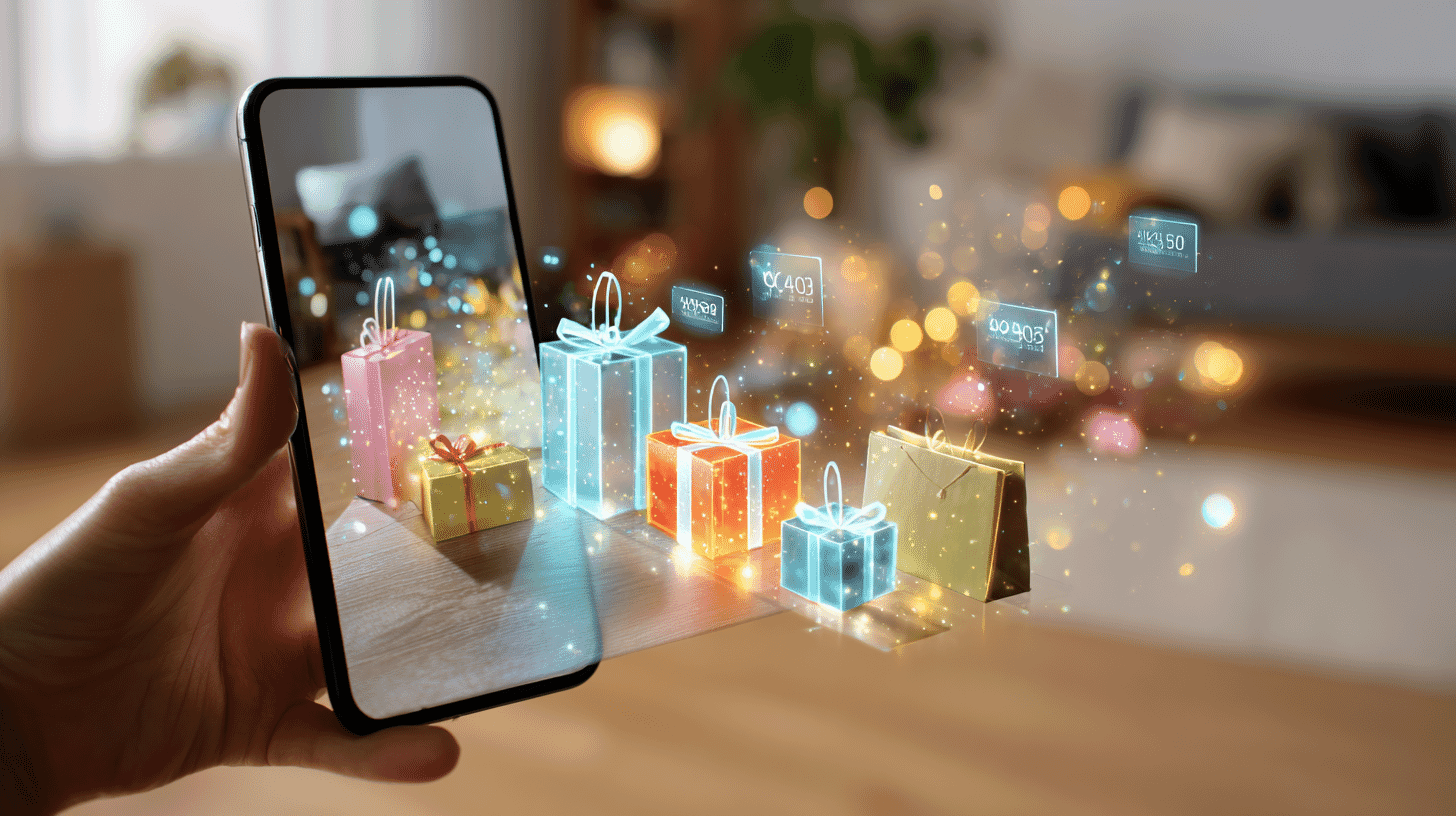
See it on YouTube, buy it instantly, without ever leaving the video. On February 19, 2026, Rakuten Group and Google announced Japan's first-ever "YouTube Shopping Affiliate Program" partnership. The era of "V-commerce," where the excitement of watching a video translates directly into a purchase, has officially arrived in Japan.
Rakuten × Google: Japan's First YouTube Shopping Partnership
On February 19, 2026, Rakuten Group and Google held a joint press conference in Tokyo to unveil a groundbreaking partnership: the first-ever implementation of the YouTube Shopping Affiliate Program in Japan. Under this new program, viewers watching YouTube videos can seamlessly purchase products featured in those videos directly from Rakuten Ichiba (Rakuten Market), Japan's largest online shopping mall.
Rakuten Group Chairman and CEO Hiroshi Mikitani called it a partnership that would occupy a page in the history of Japan's internet industry. He set that against 1997, when he founded Rakuten Ichiba and was told nobody would buy things online. Also on stage: Shinji Okuyama, head of Google Japan; Naomi Yamakawa, head of YouTube Japan; and Ryo Matsumura, executive officer and president of Rakuten's Commerce & Marketing Company.
How It Works: Video Watching Meets Instant Shopping
No More Re-Searching
Previously, if you spotted an interesting product on YouTube, you'd have to open a separate browser tab, search for the product, find the right store, and then buy it. With the new system, a "Show Products" button appears directly on the video playback screen. One tap reveals the product name, price, and a link to the Rakuten Ichiba product page, all without leaving the video. The goal is to capture the viewer's excitement at the exact moment of discovery and turn it into a purchase.
A Third Income Stream After Ads and Super Chat
YouTube creators enrolled in the YouTube Partner Program can now tag Rakuten Ichiba products in their long-form videos, Shorts, and live streams. When viewers purchase products through these tags, creators earn affiliate commissions, a new revenue stream alongside ad revenue, Super Chat tips, and channel memberships.
Even more intriguing is an AI-powered "auto-tagging" feature currently being tested. This technology reads product information from video descriptions and automatically displays product tags at optimal moments during playback, significantly reducing the manual effort required from creators.
National Reach Without an Ad Budget
For the roughly 57,000 stores operating on Rakuten Ichiba, this partnership opens an entirely new customer acquisition channel. Small regional shops that might lack the budget for traditional advertising can now reach consumers nationwide through the influence of YouTube creators who choose to feature their products.
Why Now: Japan's Shifting Consumer Behavior
The timing of this partnership reflects a fundamental shift in how Japanese consumers discover and buy products.
YouTube's own internal figures put the growth in shopping-related watch time in Japan at over 80%, comparing February 2024 with February 2025. The company also cited a Google/Kantar study, "Future of Video," conducted in March and April 2025, in which 76% of Japanese viewers called YouTube the most trusted video platform.
Naomi Yamakawa, head of YouTube Japan, highlighted this shift at the press event: purchasing decisions once began with brand-awareness advertising, but today consumers are driven by "conviction" gained through the words of creators they trust. In other words, the trigger for buying has shifted from "I saw an ad" to "someone I trust recommended it."
Video Commerce Around the World, and Where Japan Stands
Video commerce, or "V-commerce," is already a massive global industry. The YouTube Shopping Affiliate Program itself has already been running in 11 countries and regions, among them the United States, South Korea, and India, each with local e-commerce partners. Japan is the 12th. So the announcement is about the program arriving on YouTube in Japan, with Rakuten Ichiba as the first domestic partner, not a worldwide launch.
China is furthest ahead. Its live commerce market has grown to trillions of yuan, with influencers on platforms like Douyin (China's TikTok) and Taobao Live sometimes generating hundreds of millions of dollars in a single broadcast. In the U.S., TikTok Shop has expanded rapidly, while Instagram Shopping and Amazon Live push the boundaries of video-integrated e-commerce.
Japan's live commerce market, by comparison, was estimated at roughly $2 billion in 2022, two orders of magnitude behind China. Read it as headroom or as a market that never took hold; both are defensible. Japan's overall BtoC e-commerce market reached approximately $174 billion (about 26.1 trillion yen) in 2024, with Rakuten Ichiba alone accounting for roughly $42 billion (6.3 trillion yen) in gross transaction value. The YouTube partnership positions Rakuten to tap into an entirely new layer of consumer engagement within this expanding market.
Can It Achieve "Sanpo Yoshi": Hopes and Challenges
Japan has an ancient business philosophy called "sanpo yoshi" (三方よし), meaning "good for the seller, good for the buyer, good for society." This partnership aspires to benefit all three parties: creators (who earn new revenue), viewers (who enjoy seamless shopping), and merchants (who gain new customers).
However, challenges exist. If creators prioritize affiliate income over honest reviews, the trust that makes this ecosystem work could erode. There are also concerns about "sutema" (ステマ), Japan's term for stealth marketing. Since October 2023, Japan has enforced strict regulations under the Act against Unjustifiable Premiums and Misleading Representations requiring clear disclosure of sponsored content. Whether YouTube affiliate content consistently meets these standards will be closely watched.
Competition in Japan's e-commerce landscape also adds complexity. While Rakuten Ichiba is one of Japan's largest online malls, it faces intense rivalry from Amazon Japan and Yahoo Shopping. Securing YouTube as a powerful traffic source could give Rakuten a significant edge, but success will depend on how well the program fits into the everyday habits of Japanese consumers.
Video Is Rewriting Japan's Shopping Culture
Rakuten Ichiba's founding concept is "Shopping is Entertainment." By joining forces with YouTube, the undisputed king of online entertainment, that concept is being brought to life in a completely new dimension.
Japan has a long tradition of television shopping programs where charismatic hosts present products on camera and viewers call in to buy them. This partnership is the digital version of that. Two things differ. The host is no longer a broadcaster but a creator the viewer picked and decided to trust. And the purchase ends with a tap on the screen instead of a phone call.
What about in your country? Have you ever bought something after watching it on YouTube, TikTok, or Instagram? We'd love to hear about the "video × shopping" scene where you live!









Global Discussion
15 comments