Angola paid about ¥17 million to a Japanese subcontractor it never owed. Osaka's Expo hosts say they have no legal basis to pay. Behind the gap: a law that stops at wages and a relief bill that lapsed.
Foreign visitors spent ¥2.07 trillion (~$12.9B) on food in Japan in 2025, 21.9% of all inbound spending. What 42 million tourists eat, the dietary-diversity gap, and how to plan a gourmet trip.
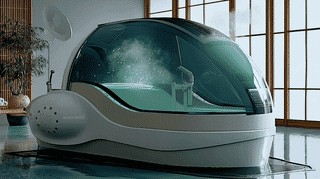
The Mirai Human Washing Machine, tried by 1,277 people at the 2025 Osaka Expo with 98.3% satisfaction, is now sold at Yamada Denki. The 60-million-yen ($370,000) flagship is limited to 40-50 hand-built units, alongside a 1.45-million-yen ($9,000) model aimed at care homes.
The world's first wired earphones using "cartilage conduction," a third hearing pathway discovered in Japan, are now on sale. How Sound Ball differs from bone conduction, its adoption by five Osaka Expo pavilions, and what it means for the future of audio.
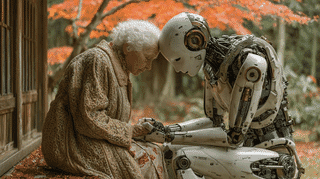
AVITA, led by world-renowned roboticist Hiroshi Ishiguro, has acquired all shares of android robot developer A-Lab, marking a full-scale entry into Physical AI. With A-Lab's track record including androids for Expo 2025, AVITA aims to evolve from CG avatars to physical robots. As the U.S. and China lead the humanoid market, this move signals Japan's push to reclaim its robotics legacy.
Kawasaki Heavy Industries is developing CORLEO, a four-legged personal mobility vehicle powered by hydrogen. After achieving 1.2 billion social media impressions at Osaka Expo 2025, the company targets deployment at Riyadh Expo 2030 and commercial sales by 2035. Discover the futuristic robot horse and global reactions.
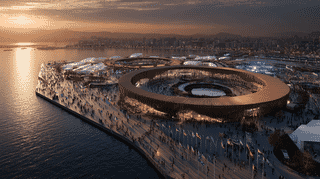
Osaka Expo 2025 closed in October with 29.02 million visitors and a ¥3.6 trillion economic impact. In December the association revised its operating surplus up to ¥32-37 billion, beating Aichi Expo. Here is what made the expo profitable, and what the figures leave out.