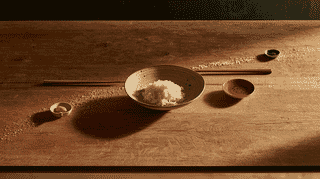
Japan's calorie-based food self-sufficiency fell to a record-low 37% in fiscal 2025 while the production-value measure rose to 66%. A 48% rise in rice prices moved both. By production value, Japan ranks above the US.
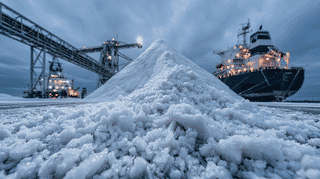
An island nation surrounded by ocean buys most of its salt from the far side of the world. Starting at a white island off Hiroshima, here is why Japan imports its salt from Mexico and Australia.
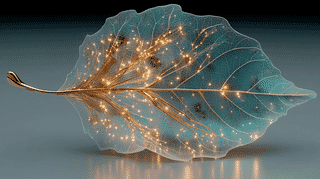
Say you can hear plants and people back away slowly. Turns out it's real: researchers at Japan's Institute of Science Tokyo built a transparent 70-nanometer carbon-nanotube electrode that reads a crop's bioelectric stress signals for up to 10 months, even in the rain.
In 2002, Japan's Kindai University pulled off the world's first full-cycle bluefin tuna farming. Two decades on, the major seafood companies are walking away and commercial output is fading. The irony: the headwind is the recovery of wild tuna stocks. A look at the gap between sustainable and profitable.
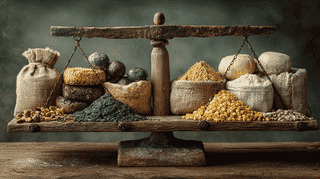
Japan's food exports hit a record 1.7 trillion yen in 2025, a 13th straight high, while its calorie-based self-sufficiency stays at 38%. Why both are true: wagyu, green tea, the 27% feed rate and the 64% production-value figure, explained for global readers.