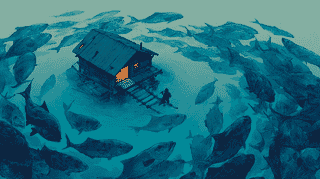
In 2002, Japan's Kindai University pulled off the world's first full-cycle bluefin tuna farming. Two decades on, the major seafood companies are walking away and commercial output is fading. The irony: the headwind is the recovery of wild tuna stocks. A look at the gap between sustainable and profitable.
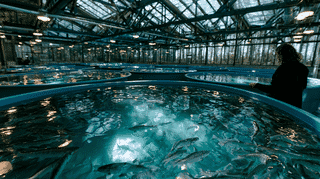
With water that is neither sea nor fresh, Okayama University of Science is trying to farm salmon through its entire life cycle on land. If it works, the university calls it a world first. We unpack the technology behind it, why salmon is the hardest fish to farm this way, a 250-year-old salmon town's role, and the global scramble for farmed salmon.
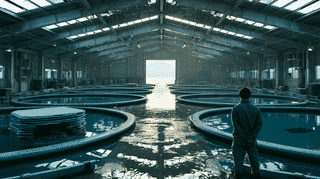
Tokai University is chasing a world-first: land-based, full-cycle aquaculture of the common octopus, long considered one of the hardest animals to farm. We unpack the cannibalism and escape problems, the clever 'octopus apartment,' the global octopus shortage behind it, and the ethical fight that has already produced farming bans abroad.
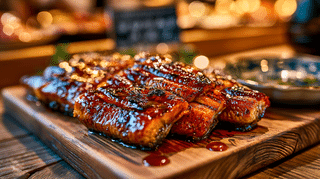
Yamada Suisan and Japan's fisheries research agency put fully farmed eel on public sale for the first time on May 29. After cutting glass-eel production cost from 40,000 to 1,800 yen, the country aims to end wild-juvenile dependence by 2050.
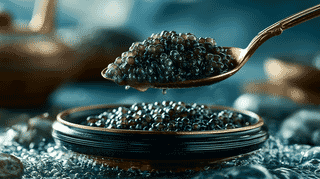
Caviar's definition of 'best' has shifted from geography to aquaculture technology. As China supplies 60% of the world's farmed caviar and Russian product disappears under sanctions, a landlocked Japanese prefecture is challenging the global hierarchy with a hybrid land-based farming system that combines patented closed-loop tech with rare ultra-soft spring water.