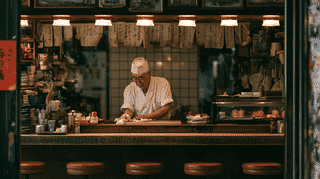
Sushi shop bankruptcies in Japan rose 45.5% in the first half of 2026, yet only 18.8% were losing money, the lowest in Teikoku Databank's 20 years. They are not failing. They close because nobody takes over.
Seven & i, the owner of 7-Eleven, entered talks over a multi-billion-dollar stake in Żabka, Poland's largest convenience chain, then walked away on July 25. A look at why Europe is the gap in 7-Eleven's map, how the Polish upstart's autonomous stores and fintech already outpace many Japanese konbini, and how the deal contrasts with Seven & i's fuel-heavy US business.
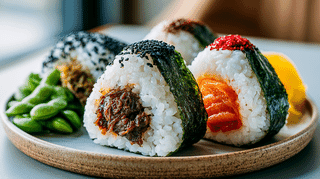
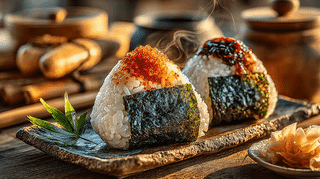
Japanese izakaya group Watami has acquired a 51% stake in Onigilly, a San Francisco onigiri chain, a bet on America's rice-ball boom. But the buyer is also a company long known in Japan as a symbol of 'black company' overwork culture. We unpack the deal, why onigiri became a healthy, photogenic US lunch, and who Watami really is.
Sushiro, the king of Japan's revolving sushi industry with 14 consecutive years as the top earner, is finally making a real run at the US market. The Times Square flagship opens this fall, but rival Kura already runs 91 US restaurants and is listed on NASDAQ. Inside Japan's three-way sushi war and Sushiro's last frontier.
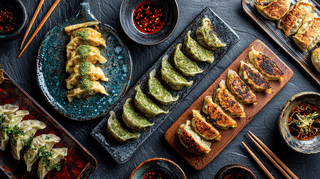
Osaka Ohsho, the 56-year-old Japanese gyoza chain, opens its first North American flagship in Sawtelle (Little Osaka), Los Angeles, on May 8, 2026. We unpack the Mitsubishi Shokuhin joint venture, the SNS-driven distribution strategy, the tableside cooking spectacle, and how the brand plans to flip gyoza from a ramen side dish into a main attraction.
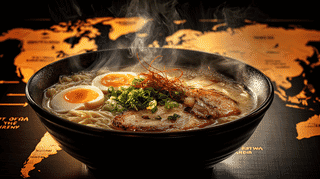
Ippudo ramen now spans 400+ locations across 15 countries. Onigiri shops draw lines in Paris. Green tea exports hit a record $480 million. Natto exports surged 60x for some producers. Japan's 2025 food exports reached a record $11.3 billion. This is how Japanese food, far beyond sushi, is fundamentally reshaping dining tables worldwide.
Seven & i Holdings postpones its North American 7-Eleven IPO to fiscal 2027 or later, citing market instability from Middle East tensions and sluggish US consumer spending. A look at the strategic calculus behind the delay and what it means for global convenience store competition.
The only Starbucks on a bullet train platform in Japan is temporarily closing for renovations after overwhelming popularity exceeded expectations. Explore Japan's unique ekinaka station culture and what makes Shinkansen travel special.
On March 4, 2026, Finland-born food delivery service Wolt ended all operations in Japan after six years. Despite being loved for its god-tier customer support and elegant Nordic design, Wolt couldn't break through the Uber Eats/Demae-can duopoly that controls 90% of the market. We analyze why Wolt lost, what delivery workers face next, and what foreign tech companies need to succeed in Japan.
Yoshinoya Holdings plans to quintuple its ramen revenue to 40 billion yen in five years and reach 500 stores, aiming to serve more bowls of ramen than anyone in the world by fiscal 2034. Why is Japan's beef bowl king betting on ramen, and can the strategy work?