Japan's automatic ticket gates opened at Kitasenri in 1967. Sixty years of punched holes, magnetic standards and IC cards later, the QR switch in spring 2027 takes the journey data off the short-distance ticket.
JR East opened public voting on three successors to the Suica penguin, and about 58% of Japanese posts turned negative. What they object to, why the 2018 Takanawa Gateway vote poisoned the well, and why it may not last.
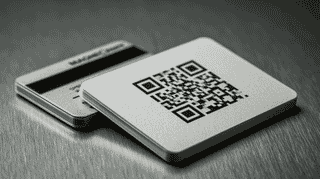
JR East will phase out magnetic short-distance train tickets in spring 2027, replacing them with QR-code paper tickets. We break down the environmental and cost reasons, why almost no one will notice, and the small ritual that is quietly disappearing.
On June 2, JR East expanded its UK vending business from stations to airports, acquiring around 800 airport machines for a fleet of 1,800. Here's why its touch-screen vending stalled in Japan—and why Britain may be the better bet.
JR East launches Japan's fastest and longest Level 4 autonomous bus on May 29, 2026, on the tsunami-rebuilt Kesennuma BRT in Miyagi Prefecture: 60 km/h top speed and 15.5 km route, both national records. As China's Baidu and Waymo race ahead with city robotaxis, Japan is taking a quieter, magnet-marker path on dedicated bus corridors.
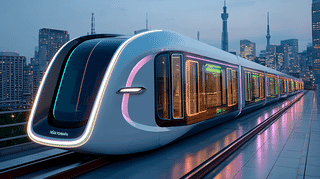
JR East has unveiled a concept render for the next-generation 'sustina' commuter train, and it looks nothing like the iconic Yamanote Line trains running today. Featuring autonomous control and 'emotional graphics,' the design reimagines what a Tokyo commuter train can be. Here's why Japan's commuter trains are a global obsession.