🚃 For almost forty years, riding a train in Japan has come with a small, oddly satisfying ritual. You push a paper ticket into a slot at the gate, the machine hums and clicks, and the ticket reappears on the far side just in time for you to grab it and keep walking. JR East has just announced that this ritual is on its way out.
A ticket you tap, not feed
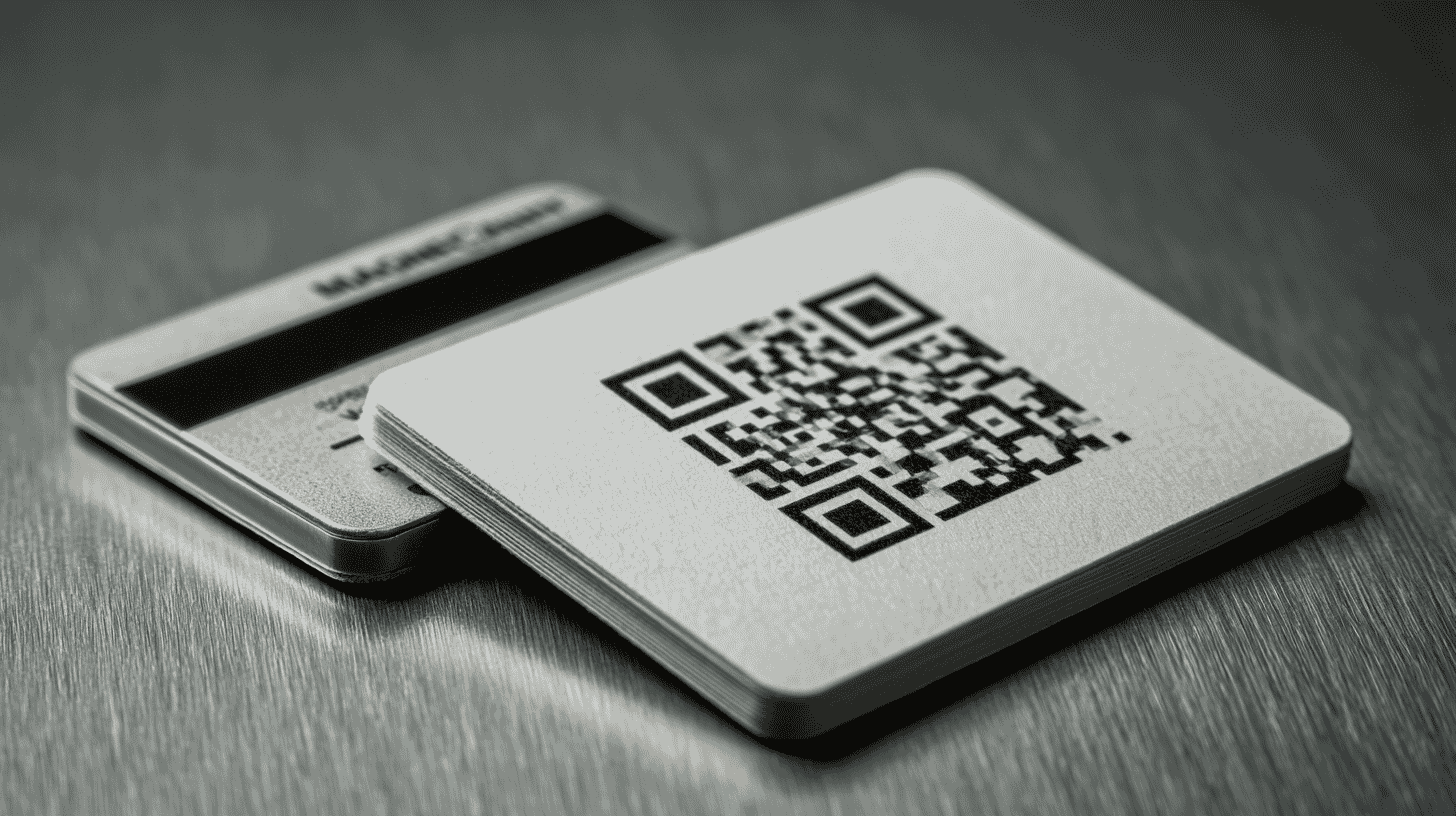
On June 9, East Japan Railway, better known as JR East, said it will phase out magnetic-strip tickets for short-distance trips starting in spring 2027. Replacing them are non-magnetic paper tickets printed with a QR code. Instead of feeding the ticket into the gate, you hold the code up to a reader and walk through.
The switch covers the short-distance tickets sold from the machines at JR East's conventional-line stations. To make the codes easy to scan, the new tickets are a good deal bigger. The old magnetic ticket measured 30 by 57.5 millimeters; the QR version will be 57.5 by 85 millimeters, the same footprint as a limited express ticket and close to three times the surface area. The familiar black magnetic backing is gone, replaced by plain white paper. Because you only tap, the gate no longer collects used tickets; JR East plans to put collection boxes in stations instead, and says it will block duplicated codes by tracking each ticket's status on a server.
JR East is not moving alone. It is one of eight railway operators in the Tokyo region, alongside Keisei, Keikyu, Seibu, Tobu and others, that agreed in May 2024 to migrate from magnetic to QR tickets on a shared system. This announcement is the most concrete step any of them has taken so far.
Why bother, if hardly anyone buys paper tickets?
Two reasons, and both of them live behind the gate rather than in front of it.
The first is environmental. The magnetic layer has to be separated out and chemically treated during recycling, which means used tickets cannot go back into the paper stream like ordinary waste. Without that magnetic layer, a QR ticket is just plain paper: cheaper to process and easier on the environment.
The second is mechanical. A gate that swallows a magnetic ticket, reads it on the move and spits it out the far end is packed with moving parts: rollers, motors, gears. A QR reader has none of that. Fewer moving parts means lower maintenance bills and one less thing to jam. Anyone who has watched a gate chew up their ticket and clap shut in their face knows exactly why that matters.
JR East has also said it wants to reclaim the floor space its ticket machines occupy and rebuild stations around digital, ticketless travel. President Yoichi Kise told reporters the freed-up space could become something more useful.
The number that explains the timing
Here is the figure that makes the whole plan click into place: magnetic paper tickets now make up just 2.5 percent of all JR East journeys.
That collapse has a name, and the name is Suica. Since it launched in 2001, the tap-and-go IC card has become the default way to ride, to grab a coffee at a station kiosk, and to pay at vending machines across eastern Japan. More than nine in ten passengers already tap a card or a phone. The paper ticket, once universal, has quietly shrunk into a rounding error. For the overwhelming majority of riders, nothing about the daily commute will change.
What stays magnetic
Not every ticket is making the jump. Shinkansen and long-distance limited express tickets keep their magnetic strips for now. The reason is geography. Those trains often cross into territory run by other companies in the Japan Railways group, and not all of them have committed to dropping magnetic tickets yet. Until the whole network moves in step, long-distance tickets stay as they are.
The sound of an era winding down
For most commuters this barely registers. For a certain kind of train lover, it is the end of something real.
There is a tactile pleasure to the magnetic gate that is hard to explain to anyone who has not done it thousands of times. The hum, the click, the ticket waiting for your hand at exactly the right second. That small piece of choreography is what disappears.
It is not only the magnetic layer that goes. The current small ticket is an Edmondson, a format whose dimensions have not changed since Japan's railways opened, and it will vanish from JR East's network. Japan has lived through this kind of loss before, though. Magnetic tickets themselves only became standard fairly recently, spreading through the Kansai region in the 1970s and reaching Tokyo in the late 1980s. The generation before that remembers station staff clipping tickets by hand, a sound that faded out without anyone mourning it for long. This time the changeover will be gradual too, so there is no rush to say goodbye.
How it works where you live
A forty-year-old habit is being traded for a QR code, and almost no one will feel it. So here is the real question: how do you get through the gate where you live? A paper ticket, a plastic card, your phone, or do you just walk through with a bank card? And is there any part of the old way you would miss?
References
- https://soranews24.com/2026/06/11/east-japan-railway-announces-plans-to-abolish-magnetic-strip-tickets/
- https://www.watch.impress.co.jp/docs/news/2115684.html
- https://www.jiji.com/jc/article?k=2026060900920&g=eco
- https://news.livedoor.com/article/detail/31500419/
- https://news.yahoo.co.jp/articles/4b0f4791a9ecf0aa52d11ee8088dea06e4881778








Global Discussion
4 comments