🌾 In 1971, the Oriental stork vanished from the wild in Japan. By the end of August 2026 there were 728 of them. Only 49 of those birds were released by people. Almost all the rest hatched in wild nests and grew up on food they caught in rice paddies.
From Crop Pest to Gone
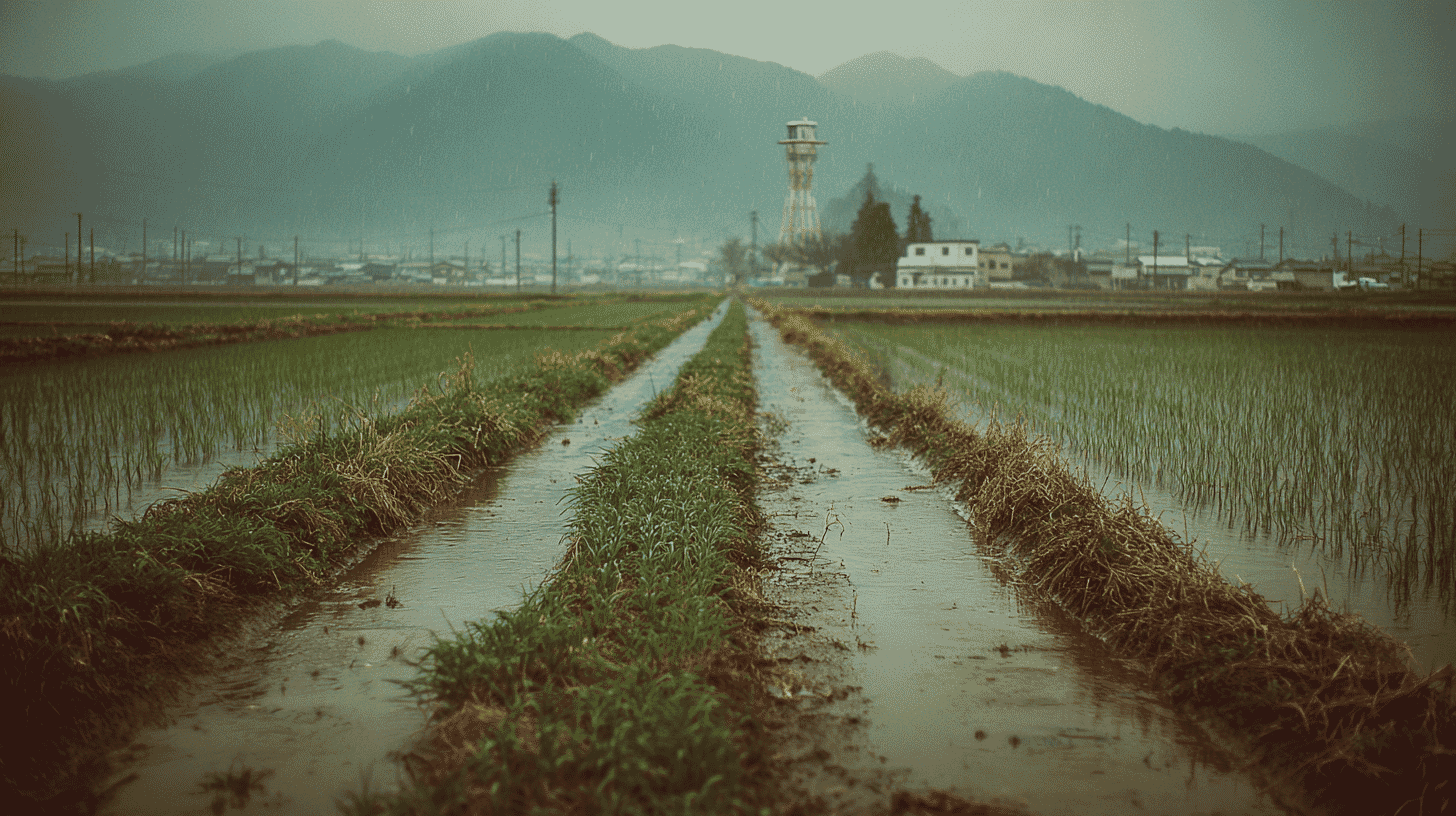
The Oriental stork is a large bird that lives close to farming villages, wading through paddies and irrigation ditches for crucian carp, loaches and frogs. According to the Hyogo Park of the Oriental White Stork, farmers in the late 19th century saw it as a pest that damaged rice seedlings, and people shot it. During the Pacific War, the red pines it nested in were cut down in large numbers. After the war, pesticides containing mercury weakened the birds. Then farm mechanization turned muddy, waterlogged paddies into dry fields, and the frogs and fish the storks ate disappeared with the water.
Toyooka, a city in Hyogo Prefecture, was the species' last stronghold. Its final wild birds were gone in 1971.
Six Birds From Russia
Captive breeding began in 1965, before the wild population was lost, but it failed again and again. The turning point came in 1985, when Japan received six storks from Russia. In 1989, the 25th year of the program, the first chick finally hatched. The storks flying over Japan today are not the old Japanese population brought back to life.
The first release came in 2005. In 2007, a chick hatched in the wild for the first time in 43 years and left the nest for the first time in 46 years. The wild count passed 100 in 2017, 200 in 2020 and 300 in 2022. In March 2026, Japan's Ministry of the Environment moved the species down one step on its national Red List, from Critically Endangered (IA) to Endangered (IB).
49 Released, 679 Wild-Fledged
The park's published table puts the wild population at 728 as of Aug. 31, 2026. Of those, 49 were released birds. The other 679 are birds that fledged in the wild and a few others. Any bird not seen for more than a year is left out of the count. Speaking to Kansai TV, the park said it expects the total to pass 1,000 within two years (as of September 2026).
The Paddies, Not the Birds
According to Toyooka city, a handful of farmers began around 2003 to grow rice without pesticides or chemical fertilizer, aiming to raise the creatures storks eat. In 2005, the approach was formalized as "Kounotori Hagukumu Nouhou," roughly "stork-nurturing farming." Farmers either use no chemical pesticides or cut them by 75% compared with conventional growing, replace chemical fertilizer with organic fertilizer, and keep their fields flooded for longer. The midsummer draining that Japanese growers normally do is delayed until tadpoles have turned into frogs, about three weeks later than usual.
That means more weeding, more water management and lower yields. Subsidies from Hyogo Prefecture, Toyooka city and the national Ministry of Agriculture, Forestry and Fisheries have helped cover the gap, and since 2004 the city has also marketed the rice and other produce under its own brand. The area farmed this way grew from 0.7 hectares in 2003 to 512.0 hectares in 2024.
Five Chicks on a Power Pole
By June 17, 2026, all five chicks from a nest in the Yoshikawa district of Joetsu, Niigata Prefecture, had fledged. According to the local news site Joetsu Town Journal, the park says that is the most fledglings from a single pair in one breeding attempt anywhere in Japan since the reintroduction began in 2005. The same pair has nested at that spot for three years.
The nest sits on top of a utility pole, raised to about 15 meters to keep the birds away from live wires. Toyooka's environmental report says that by 2024 breeding had spread to 14 prefectures, with Joetsu and Noda in Chiba Prefecture added as new breeding sites that year.
What Happens After the Numbers Rise
Storks nest high up. According to a Toyooka city report published in March 2026, the city has 29 artificial nest towers. Even so, as numbers have grown, birds have started building on utility poles, and cases of nest material being removed are increasing.
According to broadcaster OHK, in Manno, Kagawa Prefecture, the prefecture's first stork chick hatched on a utility pole in 2023. Shikoku Electric Power Transmission & Distribution cut the power to that pole, but the head of its local office said the company could not always respond that way and still keep electricity supply stable. In Naruto, Tokushima Prefecture, according to the Tokushima Stork Fund, the prefecture bought the pole outright and the power company built another route for the line.
Getting from 728 birds to 1,000 also means more towns asking which poles the storks may keep, and who pays.
In Europe, Storks Also Winter in Rice Paddies
The white stork, a close European look-alike, disappeared from the wild in Switzerland in 1950. Two years earlier, in 1948, Max Bloesch had already started a reintroduction project in Altreu. In the early years, young birds were kept in captivity and people fed the storks to build up numbers. From 1994 that practice stopped, and feeding was cut back so the birds would find their own prey.
Switzerland counted 175 breeding pairs in 2000 and 1,310 in 2026. According to the conservation group Storch Schweiz, a key reason is a change in migration: many birds no longer fly to Africa and instead winter in southern Spain. The group also credits wetland restoration and new nesting sites. In Germany, the conservation group NABU estimates 15,000 breeding pairs, and storks from the western half of the country now stop in Spain for the winter, eating in rice paddies and at landfills.
Japan's crested ibis is following a similar path, which we covered in our story on its first release on Honshu.
If an animal that once vanished has come back where you live, who carried the work and the cost?
References
- https://satokouen.jp/in_situ/in_situ_ows_num
- https://www.ktv.jp/news/articles/?id=29900
- https://satokouen.jp/study_top/study_10
- https://ippm-ows.jp/ecology.html
- https://toyooka-kounotori.com/yaseihukki/rekishi/
- https://satokouen.jp/posts_announce/18026.html
- https://toyooka-kounotori.com/yaseihukki/genzai/nougyou/
- https://www.city.toyooka.lg.jp/sangyo/1021071/1023680/1023748/1023749/1004052.html
- https://www.env.go.jp/nature/satoyama/satonavi/initiative/kokunai/pdf/109.pdf
- https://www.city.toyooka.lg.jp/_res/projects/default_project/_page_/001/036/712/2024zenbun.pdf
- https://www.joetsutj.com/2026/06/19/173703
- https://www.joetsutj.com/2026/05/21/173617
- https://www.ohk.co.jp/data/26504/pages/
- https://satokouen.jp/study_top/study_15
- https://bergenhusen.nabu.de/imperia/md/nabu/images/nabu/einrichtungen/bergenhusen/switzerland_zensus_2004.pdf
- https://www.swissinfo.ch/eng/climate-adaptation/not-extinct-after-all-switzerlands-stork-population-is-growing-again/91776975








Global Discussion
4 comments