Calicos are almost always female, so a male kitten in a Kumamoto rescue trap surprised the vet. Fearing resale, the group kept him. The orange gene was pinned down in 2025; "one in 30,000" has no cited source.
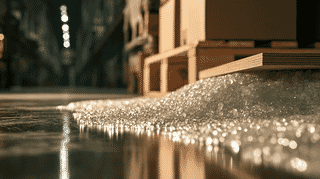
Kanazawa Institute of Technology and sand maker Yamakawa Sangyo scatter sapphire grains across a warehouse floor and let the load slide instead of resisting. The grains cost a few hundred yen per square meter.
Sony and TSMC signed a binding deal on August 11 to build smartphone image sensors in Kumamoto, contributing about 747 billion yen ($4.7 billion) toward production in 2029. TSMC takes only 38% and lets Sony lead.
The July 28, 2026 Kumamoto earthquake hit shindo 7 and stopped chip plants run by Renesas, Sony, Mitsubishi Electric, TSMC's JASM and Tokyo Electron. The fab the world watched was not the real chokepoint: a coater/developer plant with roughly 90 percent of the world market was.
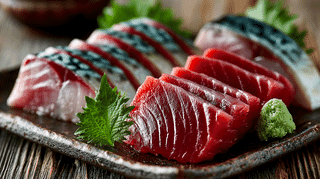
Kumamoto University has built a world-first device that kills anisakis parasites in raw fish using a 30,000-volt pulse lasting one-millionth of a second, without freezing or cooking. A look at the food-safety tech behind Japan's sashimi culture.
TSMC's Japanese subsidiary JASM posted a quarterly profit of NT$951 million (about $30 million / ¥4.78 billion) in Q1 2026, the first time the Kumamoto fab has been in the black since mass production began in December 2024. We unpack what the 14-month turnaround means against the backdrop of Japan's ¥1.23 trillion in subsidies, the Sony-Denso-Toyota partnership, TSMC's Arizona and Dresden expansions, and Rapidus's high-stakes 2nm bet.
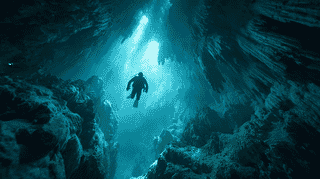
At Inazumi Underwater Cave in Oita Prefecture, professional diver Yuji Ohama (60) and his team reached 97.4m depth on March 20, 2026, likely a Japanese national record for underwater limestone caves. Formed 300 million years ago and submerged by an Aso volcanic eruption 85,000 years ago, the cave's deepest section revealed primordial stalactites and geological strata never seen above ground. We compare this discovery with Mexico's cenotes and Florida's cave systems, and explore Japan's only commercially diveable underwater limestone cave.
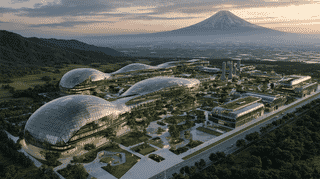
Kumamoto Prefecture, Koshi City and Mitsui Fudosan signed a partnership agreement on April 27 to launch a 31-hectare 'Kumamoto Science Park' core hub — modeled on Taiwan's Hsinchu — to anchor Japan's semiconductor revival around TSMC's 3nm Kumamoto fab by 2030. We compare it with the US CHIPS Act and EU Chips Act, and unpack the land-price spikes and labor crunch already reshaping the region.