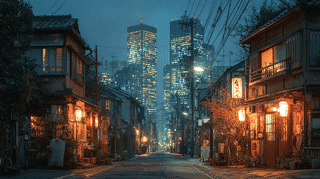
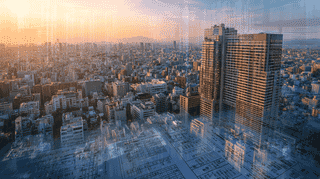
Pritzker laureate Riken Yamamoto calls Tokyo's Hills-style mega-developments, Azabudai Hills chief among them, a "colony for the rich." A look at the towers, the neighborhoods they replace, and how other cities have handled the same pressure.
Fuji Media Holdings completed a $1.5 billion share buyback, ending a high-profile standoff with activist investor Yoshiaki Murakami. With plans to divest its profitable real estate unit, the Japanese broadcaster faces a pivotal transformation. An analysis of corporate governance and media industry shifts in Japan.
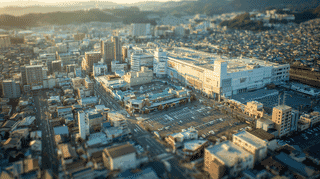
From Ito-Yokado to Parco and Meitetsu Department Store, commercial facilities across Japan are shutting down at an alarming rate. With e-commerce growth, population decline, and aging buildings converging, redevelopment plans remain uncertain. We explore the impact on local economies and what comes next.
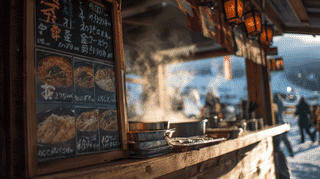
A ¥3,000 plate of yakisoba in Niseko, Hokkaido, has drawn attention. Behind such prices are hourly wages above ¥2,000, Tokyo-level rents and a business that must earn a year's income in about 100 winter days; one operator says a ¥3,000 katsu curry leaves only about ¥180 in profit. A look at the economics of a world-class resort and its shadows.
Japan's National Tax Agency is cracking down on a ¥50 billion real estate tax avoidance scheme used by the wealthy. Following the "tower mansion tax" reforms, new regulations now target rental buildings and real estate investment trusts. Under proposed 2026 tax reforms, investment properties purchased within 5 years of inheritance will be valued based on their purchase price.
Tokyo's 23 wards now see average family rent reach ¥250,000/month, nearly 50% of disposable income. With condos exceeding ¥100 million, families flee to suburbs while 45% of young adults consider rural migration. Discover what's reshaping Japan's capital and how it compares to your country's housing situation.
Tokyo's used condominium average prices have surpassed ¥100 million (about $670,000) for the first time in history. Explore the factors behind this surge: declining new construction, yen depreciation, and foreign investment, and what it means for ordinary Japanese homebuyers.
Takashimaya's Sakai store closed on January 7, 2026 after 61 years. What actually decided it, four straight years of operating losses and an expiring lease, the structural forces behind it, and what replaces it: HiViE Sakaihigashi, opening in spring 2027.