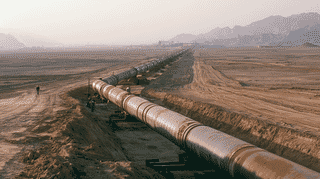
Transits through the Strait of Hormuz have fallen from 21.6 to 4.9 million barrels a day, and Gulf producers are building seven bypass pipelines. Japan restored procurement, but July brought a 634.5 billion yen deficit.
Japan welcomed 3.69 million foreign visitors in April 2026, down 5.5% from a year earlier, even as the yen sat near 159 to the dollar. We unpack the three forces behind the drop (China's travel advisory, an Easter calendar quirk, and Middle East flight cancellations) and ask whether this is actually the right moment for foreigners to book that long-postponed Japan trip.
Brazilian Foreign Minister Mauro Vieira visited Japan on May 17–19 for the inaugural Japan-Brazil Foreign Ministers' Strategic Dialogue. Here's what oil-dependent Tokyo wants from South America's resource giant amid the Hormuz crisis.
Kawasaki Heavy Industries has begun pitching a technology that produces naphtha, the building block of plastics, from hydrogen instead of crude oil. Built on its commercial gas-to-gasoline plant in Turkmenistan, the proposal lands in the middle of a Japanese petrochemical crisis triggered by the Strait of Hormuz disruption.
Hokkaido Hamanasu Foods, a natto maker in Ebetsu, has grown its exports 60-fold in eight years, almost entirely to China, where Beijing supermarkets stock Japanese-labeled four-pack sets that take 80% of shelf sales. Prefecture-wide natto exports hit 640 million yen in 2025, five times the level seven years earlier. Back home, Mizkan suspended four natto products in May 2026 as Middle East tensions disrupted packaging supplies. Plus: the science of Bacillus subtilis and where to buy natto abroad.
Calbee is switching 14 of its flagship snacks (including Potato Chips Lightly Salted, Consomme Punch, and Kappa Ebisen shrimp chips) to monochrome 'petroleum-saving packages' from May 25. The cause: ink shortages triggered by the Hormuz Strait crisis. A symbolic case of geopolitical risk reaching Japan's shelves, compared with parallel moves at Lindt, Lamb Weston and Smithfield Foods.
About 283,000 barrels of Azerbaijani crude procured by ENEOS arrive at Negishi Refinery in Yokohama on May 12 — the first Central Asian crude ever to reach Japan. We unpack the type of oil, Azerbaijan's production capacity, and the wider patchwork now stitched together from the US, Mexico, Russia (Sakhalin-2), and beyond — plus the paint-thinner shortage that won't go away.