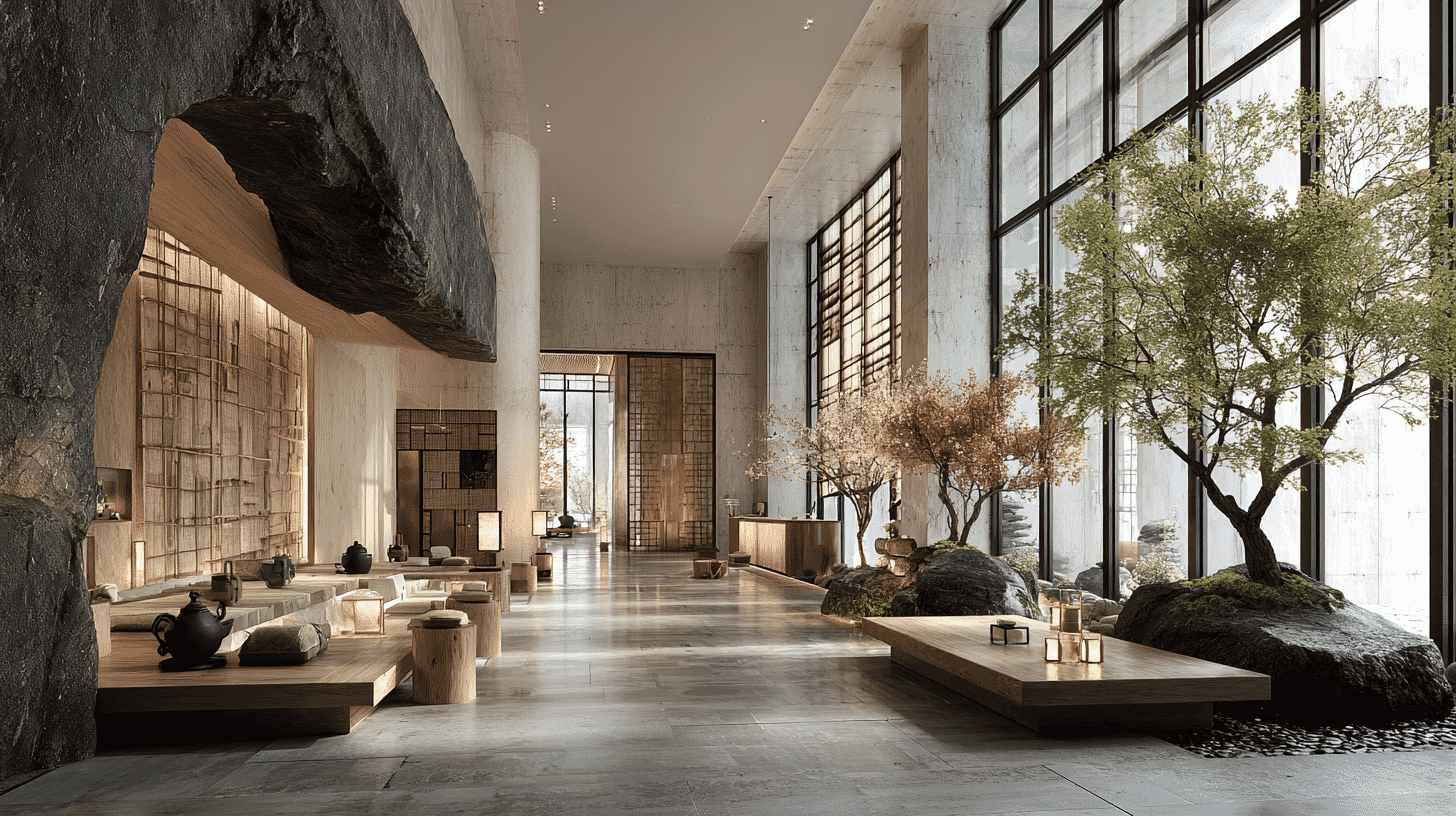
A luxury hotel used to be defined by opulent interiors, formal service, and a name people recognised. In 2026 that premise is shifting. International brands have moved past simply entering Japan and are now carrying Japanese context out to the world. Looking at Aman, Andaz and Bulgari, and at what is opening this year, shows what has changed.
Redefining What "Luxury" Means
The year 2026 marks a pivotal transformation in Japan's luxury hotel industry. Traditionally, "luxury hotels" have been defined by opulent interiors, prestigious service standards, and renowned brand names. However, these parameters are undergoing a fundamental shift.
International luxury hotel brands have graduated from simply "entering the Japanese market" to a new phase of "broadcasting Japanese cultural context to the world." For Japan's hospitality industry, this represents nothing less than a paradigm shift in how luxury is conceived and delivered.
From Prestige to Experience: A Value Transformation
The Traditional Luxury Hotel Paradigm
Until recently, the criteria for evaluating high-end hotels in Japan were clear-cut:
- Five-star ratings and accolades
- Fine dining by celebrity chefs
- Brand heritage and tradition
- Formal, polished service
- Lavish rooms and premium amenities
The New Definition of Luxury
In 2026, guest expectations have evolved dramatically:
- Unique, destination-specific experiences
- Deep immersion in local culture
- Sustainability and environmental consciousness
- Personalized narratives and storytelling
- Transitioning from "staying" to "living"
This shift is rooted in post-pandemic changes in traveler consciousness. Rather than conventional tourism, visitors increasingly seek to understand the essence of their destination and create lasting memories through meaningful experiences.
Hotels Broadcasting Japanese Culture to the World
Aman Kyoto and Aman Tokyo: A Case Study
Aman Resorts in Japan has moved past its role as merely an international luxury brand. It has become a channel carrying Japanese aesthetics outward. Aman Kyoto, which opened in 2019, works the concept of "ma", the sense of interval and negative space in Japanese gardens, and the spirituality of the tea ceremony into the stay itself, and delivers them to Aman's guests worldwide.
Andaz Tokyo's "Andaz Host" Strategy
Andaz Tokyo opened in 2014 across floors 47 to 52 of Toranomon Hills, the twelfth Andaz in the world, with 164 rooms. There is no conventional check-in counter. Instead, staff called Andaz Hosts, a role that merges the front desk, the bell stand and the concierge, stay with the guest.
The brand line is "Arrive a visitor, depart a local." Staff act as guides to the neighbourhood and take guests to places no guidebook lists. The hotel has run stay packages built around a night tour of Shinbashi, taking in obanzai home-cooking counters and the snack bars presided over by their mama-san. Toranomon, where Atago Shrine and old craft shops still stand, becomes part of the product.
Bulgari Hotel Tokyo: A Fusion Approach
Bulgari Hotel Tokyo opened on April 4, 2023, the eighth in the Bulgari Hotels & Resorts collection and the brand's first in Japan. It occupies floors 40 to 45 of Tokyo Midtown Yaesu, in front of Tokyo Station, and holds itself to 98 rooms. Rates start at 250,000 yen a night; the top Bulgari Suite runs 400 square metres and starts at four million yen.
The interiors come from ACPV ARCHITECTS, the Italian practice behind every Bulgari hotel to date. The design is Italian-led, with Japanese work set into it: the wall fabric was commissioned from a Japanese peacock motif, and timber runs throughout. Mitsui Fudosan, which brought the brand in, pointed to Yaesu's history as a district of Edo-era craftsmen and said it wanted a project full of craftsmanship.
Luxury Hotel Trend Predictions for 2026
1. Wellness Tourism Comes of Age
In Japan, with its onsen culture, wellness does not stop at spa services. Expect more luxury hotels building in distinctly Japanese wellness: Zen meditation, forest bathing, and shojin ryori, the Buddhist vegetarian cuisine.
2. The Rise of Micro-Destinations
Beyond Tokyo and Kyoto, upscale hotels are expanding into previously overlooked regions: the Seto Inland Sea coast, Hokuriku, and Tohoku. Experience-focused resorts centered on regional crafts, food culture, and natural landscapes are gaining attention.
The 2026 opening list makes this less a forecast than a description. Hilton's top-tier Conrad brand arrives in summer with about 170 rooms in the Chunichi Building in Nagoya's Sakae district, entering a metropolitan market that, despite ranking behind only Tokyo and Osaka, has seen few foreign luxury brands. Hilton Takayama Resort, developed with the JR Tokai group, opens in the autumn in Hida-Takayama, Gifu. And the Imperial Hotel opened in Kyoto's Gion in spring, its first new property in roughly thirty years.
Renewal, not just construction, is part of the same shift. The Four Seasons Marunouchi and the renovation of Park Hyatt Tokyo are established brands asking again what luxury means now.
3. Growing Demand for Extended-Stay Luxury
With remote work established, stays of a week to a month are more common. Hotels have responded with kitchen-equipped suites and programmes connecting guests to the local community. Andaz Tokyo introduced its first weekly long-stay plan back in 2021.
4. Sustainability as Standard
Environmental consideration is no longer a value-add but a baseline expectation. Farm-to-table dining, renewable energy usage, and plastic-free amenities are now fundamental requirements for luxury hotels.
5. Technology Meets "Omotenashi"
While AI-driven personalization and smart room technology are being introduced, the value of human "omotenashi" (Japanese hospitality) remains unchanged. Rather, time saved through technology is being redirected toward deeper guest engagement.
The World's View of Japan's Luxury Hotels
International travel media and luxury travelers have increasingly celebrated Japanese hotels. Key points of recognition include:
- The culture of anticipatory service exemplified by "omotenashi"
- Meticulous attention to detail and perfectionism
- Design aesthetics that harmonize tradition and modernity
- Exceptional culinary quality
- Safety and cleanliness
These elements represent "value only Japan can offer," attracting luxury travelers worldwide.
What's the Luxury Hotel Scene Like in Your Country?
Is this shift toward experiential value unique to Japan, or is it a global trend? What's the luxury hotel landscape like where you live? Is prestige or experience more valued? Please share your thoughts in the comments.
References
- https://www.travelvoice.jp/20260107-159033
- https://www.aman.com/resorts/aman-kyoto
- https://www.hyatt.com/andaz/tyoaz-andaz-tokyo-toranomon-hills
- https://www.bulgarihotels.com/en_US/tokyo
- https://toyokeizai.net/articles/-/926281 - Toyo Keizai on the 2026 hotel market
- https://www.mlit.go.jp/kankocho/en/







Global Discussion
15 comments