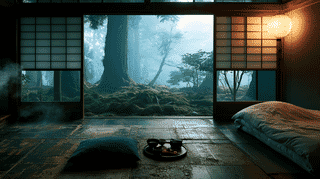
A Yonezawa ryokan is asking guests not to book it on Agoda. Rooms sold outside a hotel's control caused trouble in Taiwan, Vietnam and Europe years ago, and Agoda tops a Korean complaint tally with 2,190 cases.
A ranking of 470 Japanese hotels by foreign-language Google Maps reviews puts Plaza Osaka, a 653-room city hotel in Juso, at No. 1 again. Only one global luxury brand made the top ten.
A 200,000-yen temple room and a 100-million-yen tax finding surfaced at Koyasan in the same week. Where that price actually sits, why Japanese law taxes the bed but not the offering, and how to book a night.
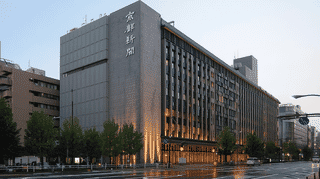
Avani makes its Japan debut in the former Kyoto Shimbun headquarters: a 240-room hotel in central Kyoto, opening around fiscal 2029, with a restaurant in the old printing-press hall.
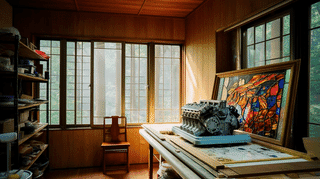
GAIA RESORT ACURA, a new rental villa in Zao, Miyagi, preserves the workshop and stained-glass art of the late Honda engineer Akira Ishizuya, who worked on the CVCC engine. A stay built around Japan's craftsmanship for car and motorsport fans.
Japan welcomed a record 42.68 million visitors in 2025 with tourism spending hitting 9.5 trillion yen. Yet many ultra-wealthy foreigners bypass Japan's celebrated ryokan and pick global brands like Aman, Bulgari, and Marriott. Here's why the gap between Japanese hospitality and global luxury standards matters — and why the rest of us travel differently.
Kyoto hotels report a 10% drop in Japanese guests for the 3rd straight year while foreign visitors rose 14.6%. Himeji Castle's new $16 dual pricing doubled revenue in month one. Data-driven analysis of Japan's tourism polarization crisis.
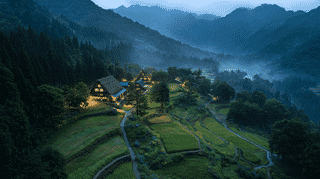
In Itoigawa, Niigata, a hamlet with just 2 year-round residents has launched a 'whole-village rental' stay experience. Guests sleep in a 200-year-old farmhouse and experience the entire village, rice paddies, spring water, snow, as their accommodation. A new model for reviving Japan's vanishing communities.
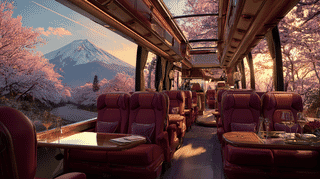
Meitetsu Group has unveiled LUVIA, an ultra-luxury tour bus with just 18 seats (down from 49), a bar counter, and dedicated attendant service. From a $3,200 Hokkaido tour to $360 day trips, this 'rolling luxury hotel' represents Japan's latest evolution in premium travel — following the success of luxury trains like Seven Stars and Shiki-shima.
Sanrio is converting Harmonyland in Hiji, Oita into a stay-and-play resort under its Sky Park plan, announced December 8, 2025: 10 billion yen in initial investment, tens of billions in total, more than a decade to finish. On June 15, 2026 it acquired 30.85 hectares, growing the site roughly fivefold. Targets: one million visitors, then two million.
Kyoto City raised its accommodation tax in March 2026 — the top rate now hits $65 per person per night, a 10x jump. Here's what travelers need to know: the new 5-tier system, who pays it, where the $85 million in revenue goes, and what locals actually think.
Accommodation taxes are rapidly expanding across Japan. Starting March 2026, Kyoto will implement a 5-tier flat-rate system with a maximum of ¥10,000 (~$65) per night, doubling tax revenue to ¥12.6 billion. From Tokyo's shift toward percentage-based taxation to international comparisons with Canada and Austria, here's how Japan is funding sustainable tourism through hotel levies.
A 25-room luxury accommodation is coming to the former grounds of Todai-ji Temple, a UNESCO World Heritage site in Nara, Japan. Kintetsu Miyako Hotels will build low-rise pavilions across a 12,000 m² site where the ancient Western Gate once stood. Opening fall 2028, the retreat will feature a tea ceremony room, local cuisine restaurant, and immersive cultural experiences. Here's what this historic collaboration means for Nara's tourism future.
A 1908 mansion built by Hakodate's wealthiest merchant is reborn as a 3-room heritage hotel. Japan's new "Kazeno Heritage" brand lets guests sleep inside nationally designated cultural properties — and help preserve them.
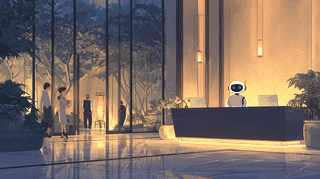
Japan's hotel industry faces a severe labor shortage, with about 60% of hotels reporting a lack of full-time staff. From AI chatbots and facial recognition check-in to cleaning robots and dynamic pricing, Japanese hotels are turning to technology as a lifeline. Explore real-world cases including the famous Henn na Hotel, which runs 144 rooms with just 7 staff, and the latest generative AI initiatives backed by Japan's tourism agency.
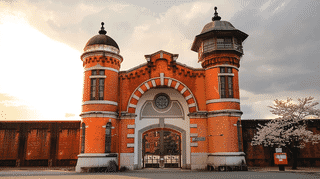
A 117-year-old Meiji-era prison designated as an Important Cultural Property has been transformed into HOSHINOYA Nara Prison, which opened June 25, 2026. Experience luxury suites created by connecting solitary cells of about 5㎡ each, starting at $1,000/night. Discover Japan's first prison hotel.
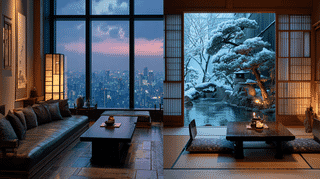
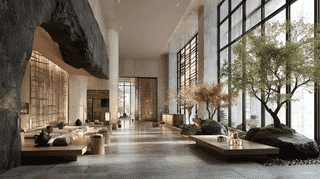
In 2026, Japan's luxury hotel industry is undergoing a major transformation. International brands are shifting from simply entering Japan to broadcasting Japanese cultural context globally. Discover how hotels are moving from traditional prestige-focused service to immersive experience-driven hospitality, featuring Aman, Andaz, Bulgari, and more.