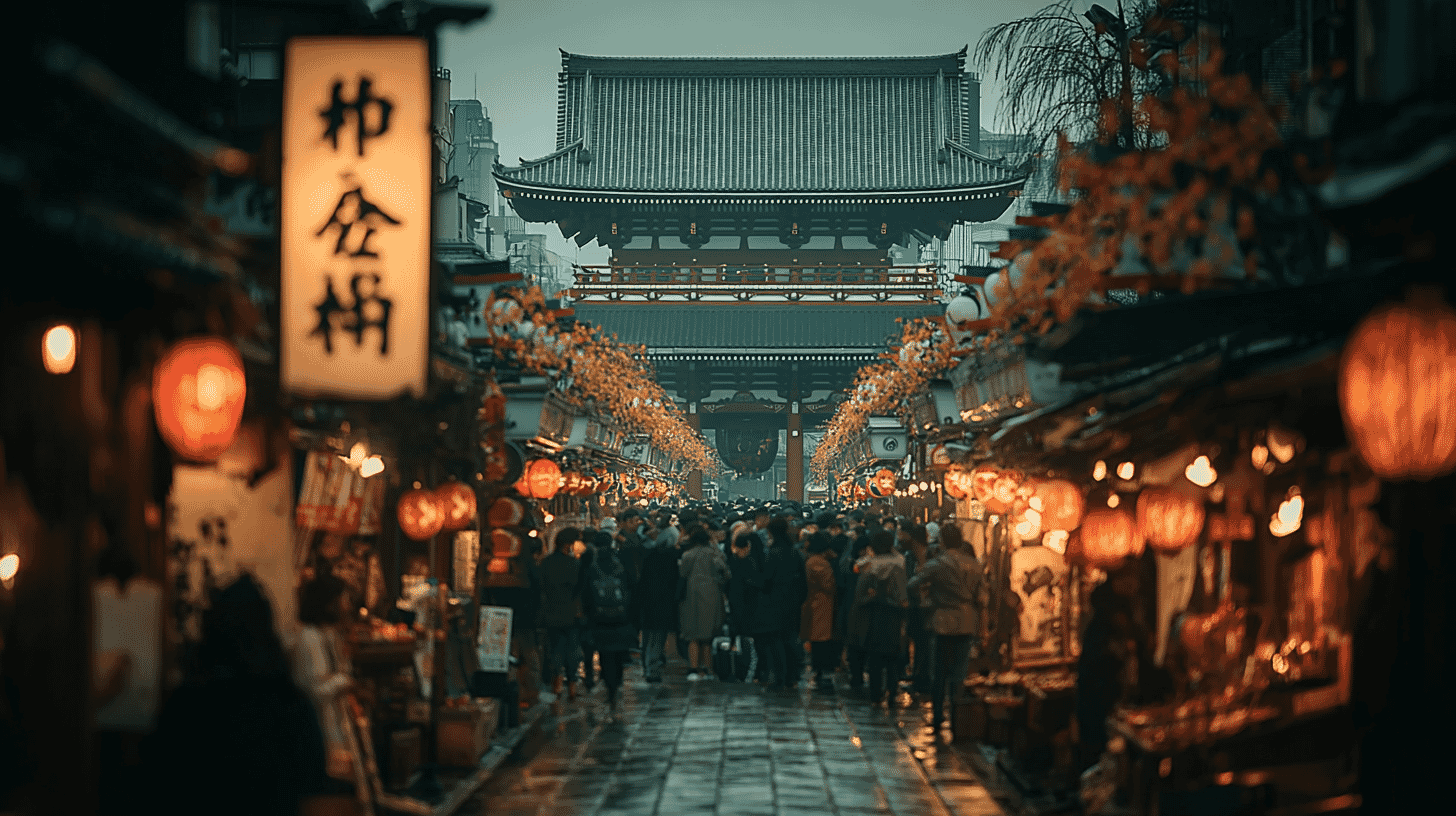
🏯 When you book a night in Kyoto, do you know what you're actually paying for? As of March 2026, that answer changed dramatically. The city just raised its hotel accommodation tax up to $65 per person per night , a tenfold jump at the top end, as Japan's ancient capital tries to reclaim itself from the pressures of mass tourism. Here's everything you need to know before you go.
Kyoto Just Raised Its Hotel Tax: Here's What Changed
On Sunday, March 1, 2026, Kyoto City's new accommodation tax structure took effect. This is a per-person, per-night tax added on top of your room rate, meaning two people staying four nights would be taxed eight separate times.
Old Tax Rates (Until February 2026)
| Per-person nightly rate (pre-tax) | Tax |
|---|---|
| Under ¥20,000 (~$130) | ¥200 (~$1.30) |
| ¥20,000–¥49,999 (~$130–$323) | ¥500 (~$3.25) |
| ¥50,000+ (~$323+) | ¥1,000 (~$6.50) |
New Tax Rates (From March 2026)
| Per-person nightly rate (pre-tax) | Tax |
|---|---|
| Under ¥6,000 (~$39) | ¥200 (~$1.30), unchanged |
| ¥6,000–¥19,999 (~$39–$130) | ¥400 (~$2.60) |
| ¥20,000–¥49,999 (~$130–$323) | ¥1,000 (~$6.50) |
| ¥50,000–¥99,999 (~$323–$645) | ¥4,000 (~$26) |
| ¥100,000+ (~$645+) | ¥10,000 (~$65), 10x increase |
The biggest jump hits luxury travelers. If you're booking a high-end ryokan (a traditional Japanese inn) or a premium hotel at ¥100,000 ($645) or more per person per night, you'll now pay an extra ¥10,000 (~$65) per person in tax, every single night.
Good news for budget travelers: the lowest tier (under ¥6,000, or roughly $39 per person) stays the same at ¥200 (~$1.30), so hostels and capsule hotels are largely unaffected.
The tax is typically bundled into your total bill when booking, so you may not notice it separately, but it's there.
What Is Overtourism, and Why Is Kyoto Struggling?
Overtourism (オーバーツーリズム, ōbā tsūrizumu in Japanese) refers to the situation where the sheer volume of visitors overwhelms a destination, damaging the everyday lives of residents and sometimes the heritage sites themselves.
Kyoto, Japan's ancient imperial capital, is home to 17 UNESCO World Heritage Sites, thousands of temples, and iconic geisha districts. Millions of travelers dream of visiting, and in recent years, millions have, simultaneously.
Some realities Kyoto residents deal with every day:
- City buses packed so full that locals can't board during their morning commute, because the routes pass popular tourist spots
- Rising levels of litter, a particular cultural friction point since Japan has a deep-seated tradition of carrying your own trash when public bins aren't available
- Visitors entering restricted areas around private geisha districts, sometimes chasing or photographing maiko (apprentice geisha) without permission
- Hotel prices rising beyond what many Japanese domestic travelers can afford
Accommodation tax revenue has hovered around ¥6 billion (about $39 million) in recent years. Under the new structure, the city projects revenue will roughly double, to about ¥12.6 billion (approximately $81 million).
Where Does the Money Go?
Kyoto officials have committed the increased revenue to the following areas:
- Traffic and waste management: Reducing bus congestion and funding street cleaning initiatives
- Cultural heritage preservation: Maintenance and restoration of temples, shrines, and historic streetscapes
- Traditional culture and industry support: Funding programs to sustain Kyoto's unique arts including Nishijin-ori silk weaving and Kyo-yaki ceramics
- Infrastructure improvements: Installing platform safety gates at subway stations, improving accessibility
- Improving tourism quality: Enhancing visitor experiences while reducing negative impacts on locals
Practical Information for Travelers
When it started: In effect since March 1, 2026
Who pays it: All guests staying overnight in Kyoto City, residents and tourists alike, Japanese and foreign
Where it applies: Hotels, ryokan traditional inns, guesthouses, and short-term rental properties (including Airbnb-style accommodations) throughout Kyoto City
How it's charged: Typically included in your total bill at checkout or bundled into the price when booking online. You may not see it as a separate line item, but you will be paying it.
Budget travel: If your accommodation costs less than ¥6,000 (~$39) per person per night, you're in the lowest bracket at ¥200 (~$1.30), unchanged from before.
The Complicated Side: Who Bears the Burden?
The logic seems straightforward: make it more expensive to stay, reduce visitor numbers, use the extra money to fix the problems. But the reality is more complicated.
The tourism surge in Kyoto has been driven largely by foreign visitors, in fact, foreign tourists outnumbered Japanese ones at Kyoto hotels for the first time ever in 2025. With the Japanese yen remaining quite weak against the US dollar, euro, and other major currencies, an extra ¥10,000 ($65) tax hits the wallet of a domestic Japanese traveler much harder in relative terms than it does an overseas visitor.
Many Japanese travelers were already quietly giving up on Kyoto, surveys show increasing numbers of Japanese people are avoiding their own country's cultural capital precisely because it has become so crowded and expensive. Higher taxes that foreign tourists can more easily absorb may accelerate this trend.
There's also a fairness question simmering in Japanese public discourse: why should Japanese citizens pay more to fund countermeasures for behavior they didn't cause?
That said, the largest tax increases are squarely targeted at luxury accommodation, those ¥50,000+ per person stays, which are predominantly booked by international visitors with higher spending power. For most budget and mid-range travelers, the increases are modest.
Kyoto's bold experiment is being watched across Japan. Mt. Fuji, Nara, Kamakura, and other over-visited destinations are all wrestling with similar questions. The accommodation tax hike won't solve everything, but it's a clear signal that Japan's most beloved destination is starting to put a price on protecting what makes it worth visiting in the first place.
Accommodation taxes, entrance fees, visitor caps, cities around the world are grappling with overtourism in different ways. What about in your country? Do you think travelers should pay more to visit places at risk of being loved to death? Or does taxing tourists create new problems? Share your thoughts in the comments below!
References
- https://kyoto.travel/en/news/tax-change/
- https://www.city.kyoto.lg.jp/gyozai/cmsfiles/contents/0000236/236952/A4822.pdf
- https://soranews24.com/2026/03/03/kyoto-raises-hotel-accommodation-tax-to-fight-overtourism-travelers-could-pay-up-to-10-times-more/
- https://soranews24.com/2025/06/14/foreign-tourists-outnumber-japanese-ones-at-kyoto-hotels-for-first-time-ever/
- https://soranews24.com/2025/03/17/as-more-foreign-visitors-visit-kyotos-top-sights-japanese-travelers-increasingly-staying-away/








Global Discussion
12 comments