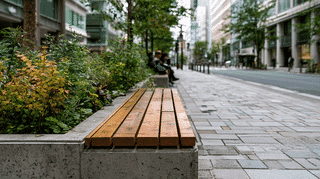
A TV report treated visitors sitting on Ginza's pavements as a manners problem. Benches had been tested on the same avenue days earlier. Road rules and anti-homeless design help explain why seats are scarce.
A 200,000-yen temple room and a 100-million-yen tax finding surfaced at Koyasan in the same week. Where that price actually sits, why Japanese law taxes the bed but not the offering, and how to book a night.
From November 1, 2026, Japan drops instant tax exemption at the register. Visitors pay full price and get the 10% consumption tax back only after customs confirms the goods are leaving.
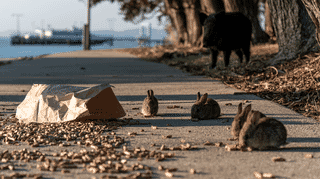
A wild boar was seen hunting a live rabbit on Japan's Rabbit Island in March 2024. Researchers say unregulated tourist feeding has swollen the rabbit population, and that leftovers and carcasses draw boars in.
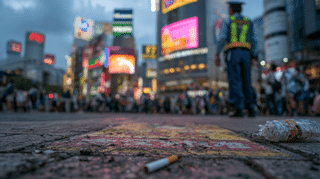
On June 1, Shibuya became the first of Tokyo's 23 wards to fine street littering on the spot, 2,000 yen a pop, with 10 penalties on day one. But this is a country that spent decades removing its public bins. Inside Japan's awkward don't-litter-but-good-luck-finding-a-bin paradox.
Japan welcomed 3.69 million foreign visitors in April 2026, down 5.5% from a year earlier, even as the yen sat near 159 to the dollar. We unpack the three forces behind the drop (China's travel advisory, an Easter calendar quirk, and Middle East flight cancellations) and ask whether this is actually the right moment for foreigners to book that long-postponed Japan trip.
Kyoto hotels report a 10% drop in Japanese guests for the 3rd straight year while foreign visitors rose 14.6%. Himeji Castle's new $16 dual pricing doubled revenue in month one. Data-driven analysis of Japan's tourism polarization crisis.
Japan's new Blue Ticket system fines cyclists on the spot, and yes, tourists on rental bikes are included. Here's a complete breakdown of 14 violations, fine amounts from $19 to $75, and essential tips for riding safely in Japan.
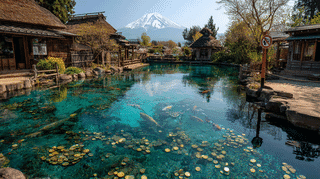
Tourists are throwing thousands of coins into the pristine spring-fed ponds of Oshino Hakkai, a UNESCO World Heritage site near Mt. Fuji. The coins poison koi fish with copper and zinc. Here's why this must stop and what Japan is doing about it.
Japan's Cabinet approved a new 5-year tourism plan expanding overtourism countermeasures from 47 to 100 regions by 2030, tripling the departure tax to ¥3,000 ($19). Learn about specific measures in Kyoto, Mt. Fuji, and Kamakura, plus how to enjoy Japan responsibly.
JR Central and JTB have launched the Hokusai Special Train, a foreign-tourist-only sightseeing train running from Mishima to Fujinomiya with Mt. Fuji views and Ukiyo-e art interiors. Part of a full-day tour at $151, this is Japan's latest approach to premium inbound tourism. Here's everything you need to know about booking and what to expect.
Starting April 2026, JNTO launches the TIC Call Center offering tourist information in English, Chinese, Korean, and Japanese at 050-3416-0010, open daily 9 AM–5 PM. Learn how Japan is upgrading its support system for over 42 million annual foreign visitors.
Japan earned the top spot in the World Travel Index 2026 with a score of 88.33, widening its lead over competitors for a second consecutive year. With record 42.7 million visitors and $60 billion in spending in 2025, Japan's blend of safety, infrastructure, cuisine, and yen-driven value is unmatched — but overtourism and labor shortages pose real challenges on the road to its 60 million visitor target by 2030.
Japan's amended immigration law passed on May 29, 2026. On July 3 the draft ordinance set the numbers: permanent residency applications rise from 10,000 yen to 200,000, and status changes and renewals go from a flat 6,000 to a tiered scale topping out at 75,000. New fees apply from October 1; public comment closes August 2. JESTA arrives by March 2029.
Japan's departure tax tripled from ¥1,000 to ¥3,000 (about $19) on July 1, 2026, driven by a record 42.68 million visitors. Japanese citizens pay it too. Here's what changed, Kyoto's new five-tier lodging tax, Fuji's ¥4,000 gate, how it compares to Australia and the UK, and where the ¥130 billion is supposed to go.
Kyoto City raised its accommodation tax in March 2026 — the top rate now hits $65 per person per night, a 10x jump. Here's what travelers need to know: the new 5-tier system, who pays it, where the $85 million in revenue goes, and what locals actually think.
Kyoto announces Japan's first dual pricing system for city buses: residents will pay ¥200 ($1.30) while tourists face fares up to ¥400 ($2.60). With 56 million annual visitors overwhelming a city of 1.43 million, this bold overtourism measure follows global models from Venice to Bali. How do locals and the world react?
Japan plans to launch JESTA, its version of ESTA, during fiscal 2028, and raised its departure tax from 1,000 to 3,000 yen on July 1, 2026. Together that is roughly 6,000 yen more per visitor. Here is how the combined cost compares with ESTA, K-ETA, and ETIAS, and where the money is supposed to go.
Accommodation taxes are rapidly expanding across Japan. Starting March 2026, Kyoto will implement a 5-tier flat-rate system with a maximum of ¥10,000 (~$65) per night, doubling tax revenue to ¥12.6 billion. From Tokyo's shift toward percentage-based taxation to international comparisons with Canada and Austria, here's how Japan is funding sustainable tourism through hotel levies.
Rome's iconic Trevi Fountain began charging a €2 ($2.35) entry fee on February 2, 2026, to manage over 9 million annual visitors. Explore how this overtourism measure compares to similar efforts in Venice, Kyoto, and other global destinations struggling to balance tourism and preservation.