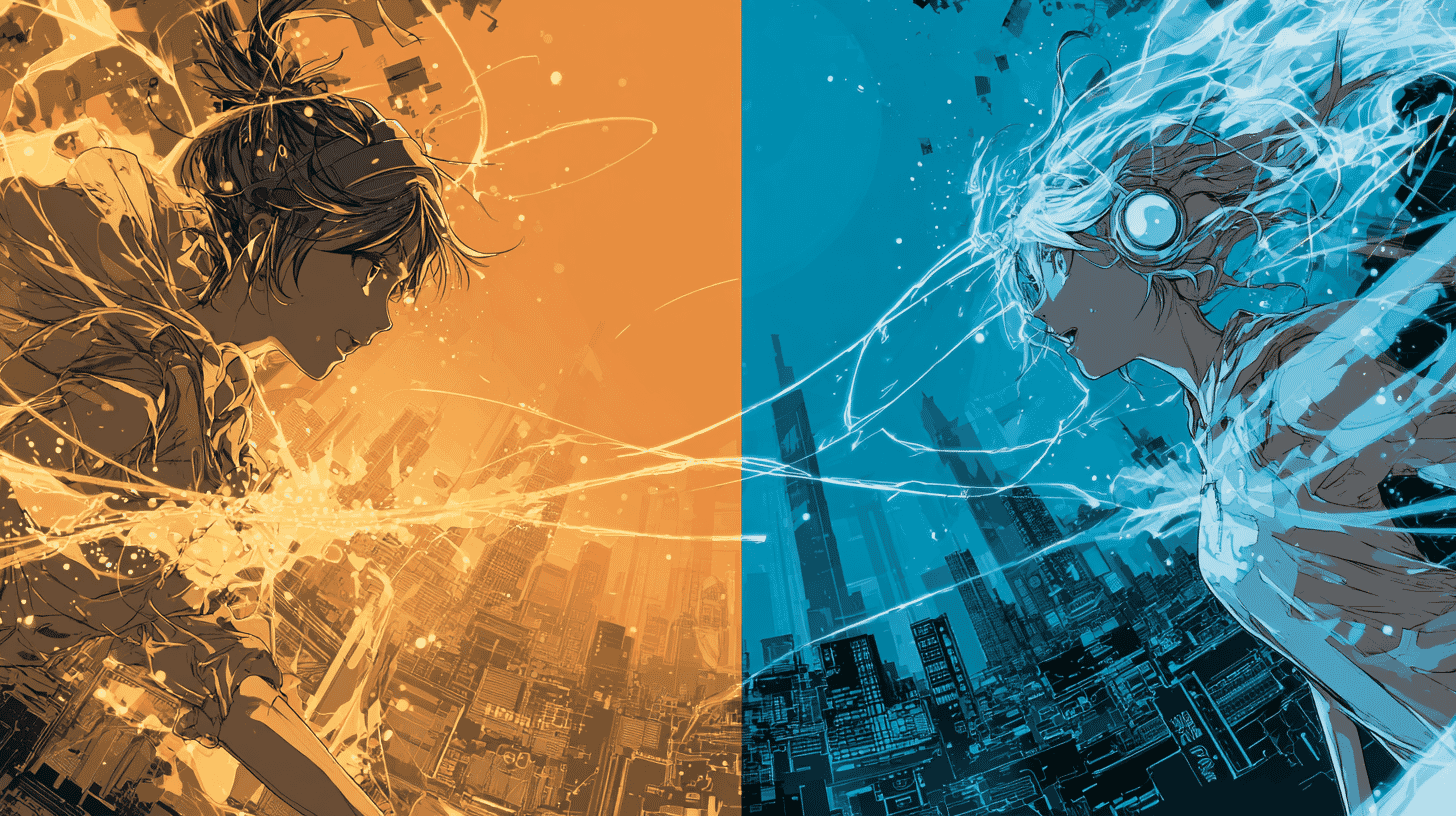
🎬 Ikebukuro is about to level up from anime fan paradise to anime creation powerhouse. KADOKAWA is bringing five of its animation studios and around 400 staff under one roof in a new production hub called "Studio One Base," opening inside Sunshine City in fall 2026. With Japan's anime market hitting a record ¥3.84 trillion, here's why this move matters for fans worldwide.
KADOKAWA's Biggest Production Bet Yet
On March 5, 2026, KADOKAWA announced a sweeping initiative it calls "Creating Creators. Creating Studios.": a plan to overhaul how it makes anime and live-action content. The centerpiece is Studio One Base, a roughly 4,600㎡ (about 50,000 sq ft) facility opening inside Sunshine City in Ikebukuro, Tokyo, in fall 2026.
The hub brings together KADOKAWA's own production divisions and five animation studios from its group:
- ENGI: Known for Medalist and the Netflix kaiju series GAMERA -Rebirth-, ENGI blends digital hand-drawn animation with 3DCG
- Studio KADAN: A full-3DCG and VFX studio built around Hiroyuki Seshita, director of Knights of Sidonia and the anime film BLAME!
- Raging Bull: Animation production
- Bellnox Films: The studio behind Darwin's Incident
- Chiptune: Animation production
Around 400 people will work there. Notably, not every KADOKAWA studio is moving in: the group now runs seven animation studios in total, and acclaimed names like Kinema Citrus (Made in Abyss) and Doga Kobo are staying put. Studio One Base is a core, not the whole.
Why Consolidate Now?
Japan's anime industry runs on a paradox: the market is booming, but the studios making the work are stretched thin. The industry ships over 300 new titles a year, while the animators behind them face chronic labor shortages and increasingly complex production pipelines.
KADOKAWA set up a cross-studio division called the Studio Business Bureau in April 2025 to start addressing this, centralizing back-office functions, standardizing benefits, and running joint recruitment across studios. But with those studios scattered across the city, everyday collaboration stayed difficult.
Studio One Base is the physical answer. Putting teams on the same floors is meant to speed up communication, let studios share technical know-how, and support unified training for younger animators. Takeshi Kikuchi, KADOKAWA's Chief Studio Officer (and, fittingly, the head of Studio KADAN), framed the goal as improving creators' conditions so the job becomes "a workplace people can take pride in, a profession people aspire to."
Ikebukuro: From Shopping District to "World-Class Anime City"
This isn't just a real-estate decision. KADOKAWA is partnering with Toshima Ward (the local government) and Sunshine City to push Ikebukuro toward what they're branding a "world-class anime city."
If you've been to Ikebukuro, you know the area is already an anime lover's playground. Animate's flagship store is here. Sunshine City's Alpa mall and Sky Restaurants posted record sales of ¥35.9 billion (around $224 million) in fiscal 2024, finally beating its 1991 bubble-era peak, driven largely by character-goods shops. The annual Ikebukuro Halloween Cosplay Festival draws tens of thousands.
Until now, though, Ikebukuro has been a place where anime is consumed, not made. Studio One Base shifts that. The district adds "create" and "nurture" to roles it already plays: watch, buy, celebrate.
There's a nice bit of history here too. Toshima Ward is home to the Tokiwaso Manga Museum, a faithful reconstruction of the apartment where Osamu Tezuka, the "God of Manga," and other pioneers lived in the 1950s. The birthplace of manga and a cutting-edge anime hub now sit in the same ward.
A ¥3.84 Trillion Market
To see why KADOKAWA is spending here, look at the numbers. The Association of Japanese Animations puts Japan's anime industry at ¥3.84 trillion (roughly $24 billion) in 2024, up 14.8% year on year and an all-time high.
Overseas demand drives much of that growth, with Crunchyroll, Netflix, and Amazon Prime Video carrying Japanese anime to audiences everywhere. KADOKAWA alone produces around 60 titles a year and treats anime as a core pillar of its strategy, focused on squeezing more long-term value out of each of its IPs.
The government is leaning in too. It has labeled the content sector a core national industry and set a target to grow content exports from ¥5.8 trillion ($36 billion) in 2023 to ¥20 trillion ($125 billion) by 2033. Studio One Base fits neatly into that national ambition.
What It Means for Fans Abroad
You probably won't spot "Studio One Base" in your anime's credits. The effects are quieter than that, but real.
Tighter coordination should help with the production delays that have plagued recent seasons, meaning fewer last-minute "this show is postponed" announcements. And putting ENGI's hybrid 2D/3DCG work down the hall from Studio KADAN's full-3DCG pipeline makes cross-pollination more likely, which is exactly the kind of setup that produces anime that looks like nothing else.
There's a tourism angle, too. If Ikebukuro becomes known as a place where anime is made rather than just sold, it could turn into a new kind of pilgrimage stop, a district where you can shop, cosplay, and stand a few floors below the studios actually drawing your favorite show.
The Bigger Picture
Studio One Base is really an attempt to answer anime's hardest question: how do you sustain an industry this size when the people making the art are overworked and underpaid? A glossy shared office won't fix wages on its own, and plenty of fans and animators are saying exactly that. But pairing the physical consolidation with KADOKAWA's stated push on pay and conditions is at least aimed at the right problem.
In Japan, the debate over balancing anime's industrial growth against real improvements for the people who make it is louder than ever. How does that conversation look where you live?

Global Discussion
15 comments