Statistics released by the Tokyo Metropolitan Police Department in March 2026 drew attention worldwide. Over 2025, lost and forgotten items handed in to police in Tokyo came to 4,538,244 cases, up 3.0 percent from the previous year. Cash among them totaled 4,508,820,000 yen, up 0.5 percent. Both figures were records. That is roughly $29 million in lost cash, handed to the police.
Here is where the 4,500,690,000 yen that was processed went. Returned to owners: 3,229,580,000 yen. Handed to finders: 586,800,000 yen. Absorbed into Tokyo Metropolitan Government revenue because no owner could be identified: 682,390,000 yen. More than 70 percent of the cash handed in went back to the person who lost it.
Among all lost items, identification documents such as driver's licenses and My Number cards were the largest category at roughly 820,000 pieces. Small electronics like wireless earbuds are on the rise.
Why Lost Things Come Back in Japan: Three Factors
Hito-no-me: The Culture of Watching Eyes
Japan has a social concept called hito-no-me, literally "other people's eyes." It describes an awareness of how you are seen by those around you, and it functions less as vanity than as an invisible restraint that holds social order together.
From childhood, both home and school drill in the same lessons: do not cause trouble for others, hand in what you find. Japanese elementary school students clean their own classrooms, which builds a sense of care for shared space early. Handing in a lost item is not framed as a good deed. It is framed as the obvious thing to do.
The KOBAN System: Community Policing the World Studies
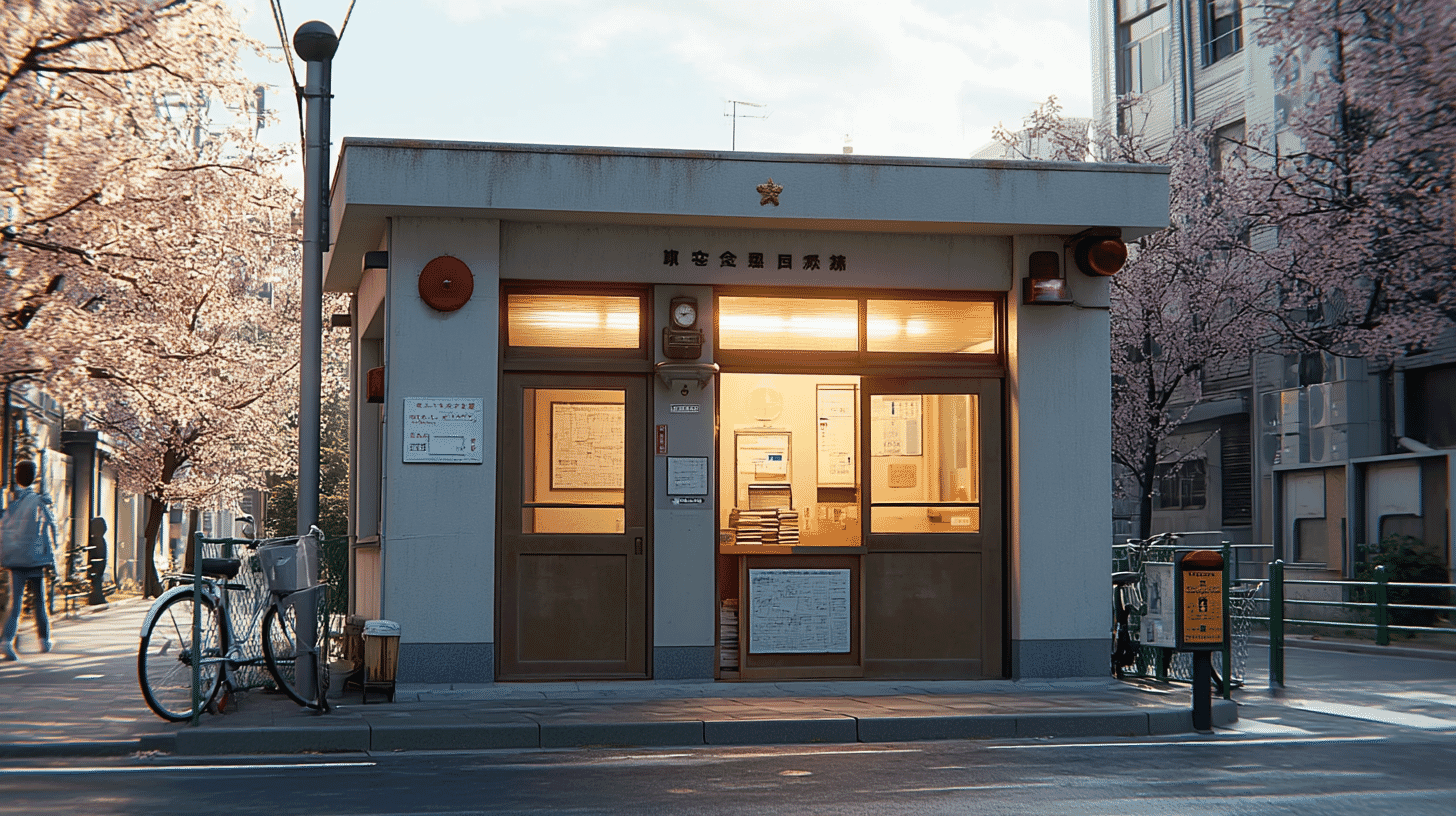
The koban is a small police post on a street corner. Tokyo alone has roughly 800 of them, in residential neighborhoods and entertainment districts alike.
Their defining feature is how easy they are to walk into. They handle crime reports, but also directions, lost property intake and retrieval, and local consultations of every sort. That approachability dramatically lowers the barrier to turning something in.
The system is admired internationally. Brazil, Indonesia, Singapore, and others have adapted the Japanese model for their own public safety programs.
The Lost Property Law: Honesty With Legal Backing
Japan's Lost Property Act, revised and in force since 2007, guarantees legal rights to whoever hands something in.
- Reward: If the owner is identified, the finder is entitled to 5 to 20 percent of the item's value.
- Ownership: If no owner appears within three months, ownership transfers to the finder. If the finder does not collect within the following two months, ownership passes to the prefecture.
- Deadlines: Items found on the street must be handed in within seven days; items found inside a facility, within 24 hours.
This framework supports the idea that handing something in costs you nothing, and puts economic weight behind honest behavior. One exception: items containing personal data, such as phones and cards, never pass to the finder even if no owner appears.
Cash Culture and Tourism: What Is Driving the Record
Japan remains a cash country, which is part of why the lost cash figure runs so high. You can pay taxes and utility bills at a convenience store, cash is convenient, and plenty of people carry meaningful amounts of it.
The interesting part is that going cashless has not reduced lost cash. A National Police Agency official suggests that as cashless payment spreads, people leave unused cash sitting in their wallets and lose it that way. The less you spend it, the less you think about it.
The surge in inbound tourists likely plays a role too. Unfamiliar places and constant movement make things easy to lose. Japan drew 42.68 million foreign visitors in 2025, crossing 40 million for the first time, so the denominator itself has grown.
What to Do If You Lose Something in Japan
If you lose something while traveling in Japan, do not write it off.
1. Go to the nearest koban or police station File an isshitsu-todoke, a lost property report. Any koban can take it. Some struggle with English, but translation apps and tourist information centers often bridge the gap.
2. Contact the transit lost and found For items left on trains or buses, contact the relevant railway's lost property office. Tokyo Metro runs its central lost property office at Iidabashi Station. JR companies have designated collection stations, and the Metropolitan Police site lists them.
3. File online The Metropolitan Police website accepts lost property reports online. Eligibility and conditions change, so check the official site for current guidance.
4. Use the lost property search system The National Police Agency portal lets you search items handed in by category, location, and date. An English guide is available.
Items whose owners cannot be found are forwarded from local stations to the Metropolitan Police Lost and Found Center in Bunkyo Ward, where they are matched against filed reports. File the report and the item can still surface later.
Honesty as Both Culture and System
Billions of yen in cash handed in every year in Tokyo, with more than 70 percent going home. That fact is not explained by saying Japanese people are honest.
The physical infrastructure of the koban. The rules of the Lost Property Act. Education from early childhood, and the social pressure of hito-no-me. Together they form an ecosystem in which honesty is the rational choice.
If you dropped your wallet in your country, would it come back? If you've had one returned, how did that happen? And if you've had one vanish for good, tell us about that too. We'd love to hear how lost property works where you live.









Global Discussion
16 comments