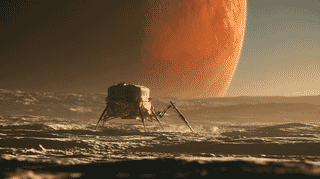
JAXA has set MMX for launch at 4:41:03 a.m. on October 20, 2026. The probe lands on Phobos, collects at least 10 grams and returns in fiscal 2031, chasing a first from the Martian system.
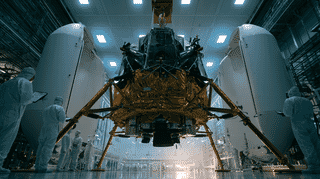
ispace and Mitsubishi Heavy will launch the ULTRA lunar lander on an H3 rocket in 2028, with no rideshare. Of the 18.7 billion yen Mission 3 expects to bring in, 12 billion is a government subsidy.
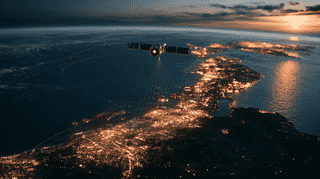
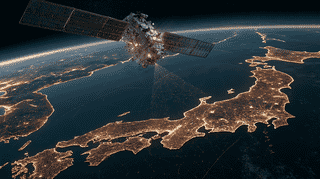
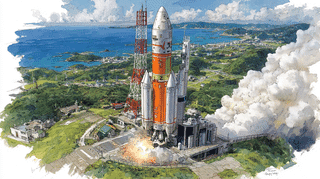
Japan's H3 Rocket No. 9 put the Michibiki No. 7 satellite into orbit on August 11, 2026, the first operational payload since the No. 8 failure. The seven-satellite goal now waits on fiscal 2031.
NYK Line, Japan's largest shipping company, is working with Mitsubishi Heavy Industries to catch reusable rocket boosters on a ship at sea. The idea began in an in-house training program, became the first shipping-company project selected for JAXA's Space Strategy Fund, and now faces a question NYK's own engineers raise: will anyone launch often enough to make it pay?
JAXA will launch the Michibiki No. 7 satellite on H3 Rocket No. 9 on August 7. A look at Japan's GPS-independent seven-satellite plan, the ASNAV system that aims to take phone accuracy from 5-10 meters to 1, how it compares with GPS, Galileo and BeiDou, and the satellite Japan just lost.
JAXA's H3 rocket No. 6 reached orbit on June 12, 2026, debuting the booster-less, lowest-cost Type 30 and resuming flights after a six-month grounding. But an object seen falling near the engines is now under investigation.
Japan's H3 Rocket No. 6 was postponed over poor weather and flew successfully on June 12, 2026. The booster-less test flight carried six small satellites: deorbit sails, a 1 km space tether, a day-and-night telescope, and a French sat that hunts ships gone dark. Here is what each one does.
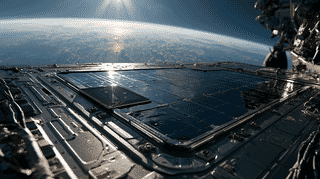
Japan's new cargo ship HTV-X1 reentered the atmosphere on the night of May 26, 2026, completing a roughly seven-month mission (JAXA announced it the next day). In its final three months it gathered on-orbit data on next-gen space solar cells, including a domestic perovskite made by Ricoh, and received a radio signal from the ground. Here's why perovskite in space is a different story from perovskite on rooftops.
On April 13, 2029, the 450m asteroid Apophis will pass just 32,000 km above Earth. Japan and Europe are joining forces on RAMSES, the next planetary defense mission after NASA's DART. JAXA provides the infrared imager, solar panels, and H3 rocket launch as a rideshare with DESTINY+, stepping up as US budget cuts threaten its own Apophis mission.
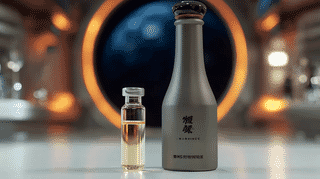
Yamaguchi's premium sake brand Dassai and Japanese engineering giant Mitsubishi Heavy Industries brewed sake in space for the first time in human history. The result was a single 100ml bottle, priced at about $700,000, and it sold. Inside the Dassai MOON Project, the long-term plan to build a brewery on the Moon, plus practical brewery-tour information for visitors to Iwakuni, Yamaguchi.
JAXA confirms H3 No.8 failure was caused by satellite adapter delamination. On June 12, the minimum 'Type 30' configuration without boosters launched successfully for the first time. Japan's environmental satellites vs China's Daqi-2.