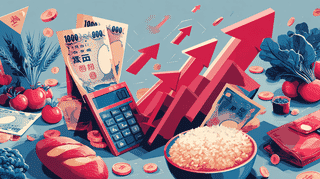
Japan's private rice imports reached 96,000 tons in 2025—95 times the previous year. Learn how historic domestic rice price surges made foreign rice cost-effective even with high tariffs, reshaping Japan's food security debate.
In 2025, Japanese agricultural corporation bankruptcies hit a record 103 cases. Learn about the structural challenges facing Japan's farming industry: weak yen, soaring material costs, labor shortages, and succession crisis, all while food self-sufficiency remains at just 38%.
Nintendo President Shuntaro Furukawa discusses the company's response to rising memory prices and Switch 2 pricing in a Kyoto Shimbun interview. While short-term profitability remains unaffected due to medium-to-long-term procurement strategies, he acknowledges the delicate balance between passing tariff costs to consumers and promoting new hardware adoption.
Japan keeps pushing its cashless payment ratio higher, yet a handful of stores are switching back to cash only. One supermarket dropped card payments to save 20 million yen a year in fees and cut its prices instead. Here is what merchant fees actually cost, and why this reversal is happening in Japan of all places.
Sailor revised prices on February 1, 2026, centering on gold-bearing products; the Profit Standard went from 22,000 to 44,000 yen. Gold's annual average price in Japan nearly tripled in five years, and all three major Japanese makers have now raised prices.
Global demand for matcha has doubled Japan's green tea exports to 72.1 billion yen in 2025 and driven domestic leaf prices sharply higher. What is happening to growers, confectioners and everyday tea drinkers, and how the 2026 crop opened.
Japan's beloved Garigari-kun popsicle will increase to 90 yen from March 2026 due to rising logistics and material costs. Explore the price history since 1981 and reactions from Japanese consumers and international perspectives.
Japan's 2024 spring wage talks delivered a 5.10% increase, the highest in 33 years, yet real wages fell for four straight months. Rice up 64.5%, a weak yen, and logistics costs squeezed households, and how the gap finally began to close in 2026.