A Yonezawa ryokan is asking guests not to book it on Agoda. Rooms sold outside a hotel's control caused trouble in Taiwan, Vietnam and Europe years ago, and Agoda tops a Korean complaint tally with 2,190 cases.
Japan halted new foreign hires for restaurants on April 13, 2026, near a 50,000 cap. Job changes stay legal, and one placement firm found 46.4% of July hires moving into big-city prefectures, up from 31.9% in March.
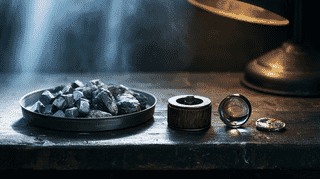
Chihaya Adachi, a 2026 Citation Laureate, was first author of a 2001 paper on iridium-based OLEDs, then created TADF, which needs no rare metal. Yet iridium, mined at about 7 tonnes a year, is still in OLED screens.
China's rare earth magnet shipments to Japan fell 52.2% in July 2026 while US-bound shipments rose 4.6%. Japan tells itself pressure breeds breakthroughs. Optical glass and neodymium magnets agree; aluminium does not.
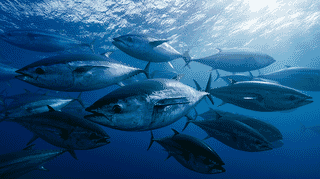
Pacific fishing nations agreed on August 18, 2026 to raise the quota for bluefin tuna over 30 kilograms by 25 percent, to 14,836 tons in the western Pacific, and to cut the quota for juveniles by 6 percent.
From November 1, 2026, Japan drops instant tax exemption at the register. Visitors pay full price and get the 10% consumption tax back only after customs confirms the goods are leaving.
Japan bought yen without warning on July 30, moving the currency five yen in an hour. The BOJ then held at 1% and warned inflation could overshoot, as Washington and Seoul moved too.
Japan's amended privacy law, passed on July 10, 2026, waives consent for acquiring and sharing personal data when the purpose is AI training or statistics. Medical and criminal records sit inside the exception. The design runs on the same logic as Japan's copyright carve-out, and that is what sets it apart from the EU and South Korea.
Imabari Shipbuilding posted 600.5 billion yen in fiscal 2025, and with Japan Marine United the group now sits at roughly 1 trillion yen, about $6.1 billion. The bigger news of July 23 was a deleted clause: LNG carriers are back in scope.
Japan's METI selected 27 anime and game projects under its IP360 content subsidy, covering half of production costs up to ¥1.5 billion each. We break down how the program works, the backlash over funding companies like DeNA, and how Japan stacks up against South Korea and the US.
Japan has rewritten its seed law to add ten years to breeders' rights and let officials block exports even before a variety is registered. We unpack the bill enacted on July 17, 2026, the suspected leak of Ehime's premium citrus to China, and why the 2020 version left a hole that fruit pirates walked right through.
Japan estimates the leak of its Shine Muscat grape to China and South Korea costs about $120 million a year. We unpack how a missed registration deadline, a strawberry precedent and a too-late seed law left one of Japan's best fruits unprotected abroad.