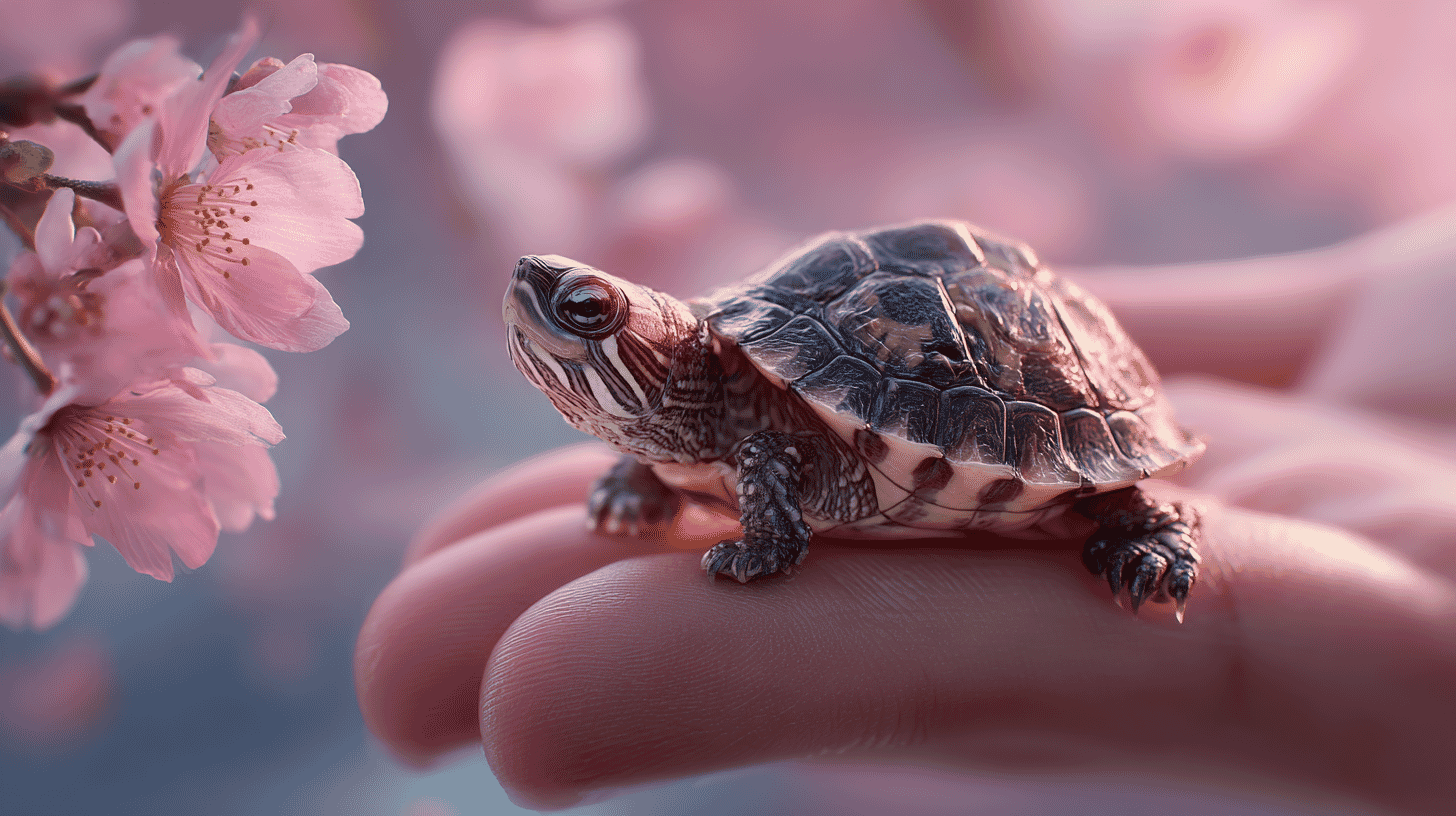
Remember that cute little turtle you bought as a kid? In Japan, 32% of invasive mammals, 76% of invasive birds, and 76% of invasive reptiles were originally kept as pets, according to a bombshell WWF report. But there's also a triumph: on Amami Oshima island, Japan wiped out an estimated 10,000 mongooses over 24 years, the largest successful eradication of its kind in world history. Here's the full story.
Twenty Years of Japan's Invasive Species Act: When Pets Become Invaders
Japan's Invasive Alien Species Act took effect in 2005, creating a framework to regulate the import, breeding, and transport of species that threaten ecosystems, agriculture, and human health. Two decades later, the number of designated invasive species continues to grow, and while the law has achieved meaningful results, new invasions keep happening, especially through the pet trade.
WWF Japan's Eye-Opening Report
In February 2026, WWF Japan published a 55-page report titled "Pet-Origin Invasive Species: Current Status and Challenges in Japan." Timed to the 20th anniversary of the Act, the report examines how deeply the pet trade is intertwined with Japan's invasive species problem.
The findings are striking. An analysis of mammals, birds, and reptiles listed on national and prefectural invasive species lists found that 32% of invasive mammals, 76% of birds, and 76% of reptiles had been brought to Japan for the pet trade. Including animals imported for display at tourist facilities, the percentages climb even higher.
WWF Japan also cross-referenced market data from 148 species (4,969 individual animals) recorded at pet shops and reptile expos against five international invasive species databases. They found that 26 species (17.6%) are already established as invasive species in other countries. Ball pythons and corn snakes, among the most popular species in Japan's pet market, were flagged as having high potential to become invasive domestically.
Raccoons: A $3.2 Million Annual Headache Born from a Cartoon
The raccoon is perhaps Japan's most emblematic case of a pet gone wild. In the 1970s, the anime series "Rascal the Raccoon" triggered a wave of raccoon imports. Baby raccoons are adorable, but adults become aggressive and difficult to handle. Overwhelmed owners abandoned them in parks and mountains across the country.
Today, raccoons have been confirmed in 46 of Japan's 47 prefectures. Agricultural crop damage reached approximately $3.2 million in 2023 alone, and they also damage nationally designated cultural heritage buildings and homes. The risk of parasites and zoonotic diseases adds another layer of concern.
Red-Eared Sliders and American Crayfish: Invasive Species Hiding in Plain Sight
Red-eared slider turtles (known as "green turtles" in Japan) were once sold cheaply at festivals and pet shops as palm-sized hatchlings. They grow up to 28 cm and can live over 30 years. Abandoned individuals now dominate ponds and rivers across the country, outcompeting native turtle species for basking spots and food.
American crayfish followed a similar trajectory, devastating aquatic vegetation and disrupting freshwater ecosystems. Both species were designated as "conditionally specified invasive species" in June 2023, households can continue keeping them, but releasing them into the wild or breeding for sale is now regulated.
Green Anoles in Ogasawara: A Lizard Devouring Paradise
On the Ogasawara Islands (a UNESCO World Heritage site), the green anole, a small lizard originally from the southeastern United States, has decimated endemic insects and native reptiles. The Ogasawara blue butterfly and several endemic dragonfly species have been driven to the brink of extinction. As pollinators disappear, plant reproduction rates have plummeted in a cascading ecological collapse triggered by a single invasive species.
The Amami Mongoose Eradication: A World-Record Achievement
Not all the news is grim. On September 3, 2024, Japan's Ministry of the Environment officially declared the eradication of the small Indian mongoose from Amami Oshima island, the largest successful invasive mammal eradication ever achieved on a landmass of this size.
The mongoose was introduced to Amami in 1979 to control the venomous habu pit viper. But mongooses are diurnal while habu snakes are nocturnal, so the two species rarely encountered each other. Instead, the mongoose preyed on endemic wildlife like the Amami black rabbit, a "living fossil" found nowhere else on Earth. By 2000, the mongoose population had ballooned to an estimated 10,000.
The Ministry launched a full-scale eradication program in 2000, and in 2005, a dedicated team called the "Amami Mongoose Busters" was established under the Invasive Alien Species Act. At peak operations, roughly 40 team members maintained over 30,000 traps across the island, deploying camera traps and specially trained mongoose-detection dogs.
Scientific rigor was crucial. Researchers at the National Institute for Environmental Studies built statistical models to calculate eradication probability, guiding field decisions on where to focus search efforts. The last mongoose was captured in April 2018, and after six years of continued monitoring with zero detections, eradication probability exceeded 99%.
The 24-year effort required sustained government funding, community support, and seamless collaboration between scientists and field workers. Since the eradication, Amami black rabbit populations have rebounded dramatically, eco-tour participants now regularly spot over 10 rabbits in a single three-hour outing. A decade ago, finding even one in several months was cause for celebration.
Okinawa's Ongoing Battle
On Okinawa's main island, mongoose control continues. The species was introduced there even earlier, in 1910, for the same misguided purpose of habu control. By 2003, an estimated 30,000 mongooses roamed the island. A physical barrier fence has been erected across the northern part of the island, and intensive trapping north of the fence aims for complete elimination by the end of fiscal year 2026.
Japan's Invasive Species Action Plan: Institutional Progress
In fiscal 2025, the Ministry of the Environment revised its Invasive Species Damage Prevention Action Plan, releasing a second edition. It keeps the three long-standing pillars, "don't introduce," "don't abandon," and "don't spread," while adding stronger science-based risk assessment, expanded monitoring, and closer coordination with local governments and the private sector.
In April 2026, the ministry also opened a public comment period on proposed revisions to the national list of invasive species targeted for damage prevention, advancing a more participatory approach to policy.
Prevention Is the Best Medicine
WWF Japan's report drives home a point supported by decades of evidence: the most effective and least costly approach to invasive species is preventing introduction in the first place. Even a success story like the Amami mongoose eradication required 24 years and enormous resources.
WWF Japan specifically recommends institutionalizing science-based risk assessments, strengthening import and distribution controls for high-risk species, enforcing abandonment prevention among pet owners, and expanding monitoring systems for early detection.
Global wildlife populations declined by an average of 73% between 1970 and 2020. Invasive alien species are recognized as one of the five major direct drivers of biodiversity loss, and the pet trade is a key pathway for their spread worldwide.
Japan's experience, from legislation and professional eradication teams to citizen-led conservation, offers important lessons for any country with a significant pet trade. What's the invasive species situation like where you live? Has a former pet ever become an environmental problem in your country?
References
- https://www.wwf.or.jp/activities/lib/6195.html
- https://www.wwf.or.jp/press/6194.html
- https://www.env.go.jp/nature/intro/
- https://kyushu.env.go.jp/okinawa/awcc/mongoose.html
- https://scienceportal.jst.go.jp/explore/interview/20250106_e01/index.html
- https://www.nies.go.jp/kokkanken_view/deep/column-20241202.html






Global Discussion
15 comments