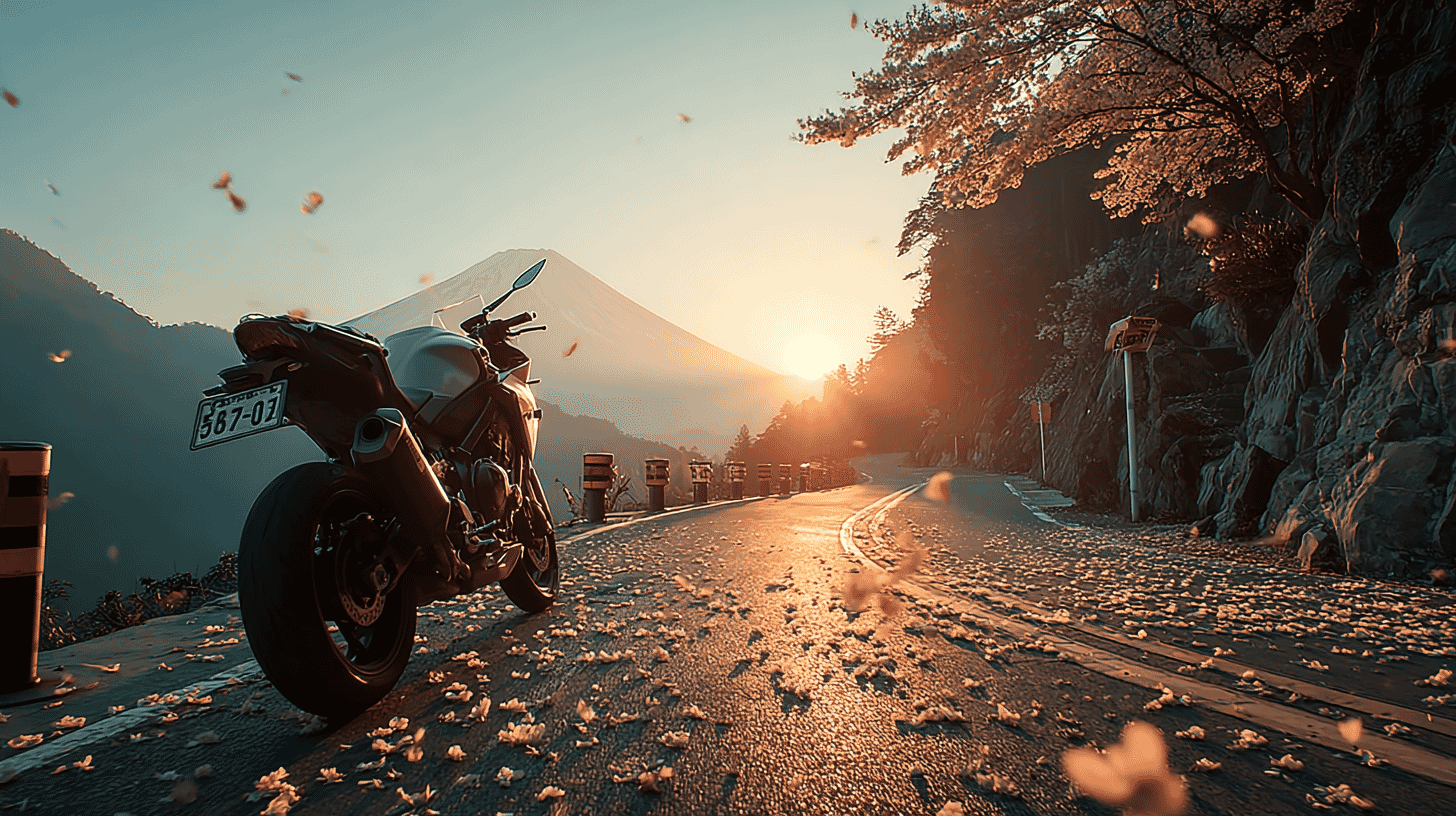
Imagine riding a motorcycle through the homeland of Honda, Yamaha, Kawasaki, and Suzuki, the four brands that dominate the global motorcycle industry. That dream is now becoming a packaged reality. Japan's largest travel agency JTB has partnered with motorcycle tour specialist MOTO TOURS JAPAN to create premium riding experiences for international visitors, targeting affluent travelers from the West and Southeast Asia.
JTB and MOTO TOURS JAPAN Join Forces
In March 2026, JTB signed a memorandum of understanding (MOU) with MOTO TOURS JAPAN to expand inbound tourism through motorcycle-based travel. MOTO TOURS JAPAN is a subsidiary of the Kizuki Group, which operates Rental 819, Japan's largest motorcycle rental network with over 135 locations nationwide. Since around 2016, the company has been building a reputation among Western riders for guided motorcycle tours across Japan.
The partnership has three core objectives. First, developing motorcycle travel packages and marketing them to wealthy travelers in Europe, the Americas, Australia, and ASEAN countries. Second, building new service models centered on motorcycle rentals. Third, positioning Japan's motorcycle manufacturing heritage, the craftsmanship philosophy known as "monozukuri", as a tourism asset, telling the story of Japanese engineering excellence to the world.
A key concept is uncovering regional attractions that are only accessible by motorcycle. Bikes offer the freedom and range to reach places that trains and buses simply cannot, aligning with the Japanese government's push to disperse tourists away from overcrowded urban centers and into rural areas.
Why Japan Is a Motorcyclist's Holy Land
The appeal of Japan for motorcycle enthusiasts goes beyond beautiful scenery.
Japan is home to all four of the world's dominant motorcycle manufacturers. For riders who grew up on Hondas, Yamahas, Kawasakis, and Suzukis, visiting the country where these machines are born feels almost like a pilgrimage. Suzuki is headquartered in Hamamatsu, with Yamaha based in nearby Iwata, while Honda's head office sits in Tokyo's Aoyama district.
Then there's the terrain. Roughly 73% of Japan is mountainous, and the winding mountain passes, called "tōge", are among the best-maintained riding roads in the world. The pavement quality is exceptional, gas stations are plentiful, and roadside rest areas called "michi no eki" (roadside stations) are scattered across the country, offering food, restrooms, and local products.
Add Japan's four distinct seasons, and you get a riding experience that changes dramatically throughout the year: cherry blossoms in spring, lush greenery and cool highland air in summer, fiery autumn foliage on mountain roads, and dramatic winter landscapes.
Dream Routes Every Rider Should Know
Japan offers countless touring routes, but a few stand out as favorites among international riders.
Hakone and Izu (Kanagawa–Shizuoka): The closest premium riding area to Tokyo. The Hakone Turnpike and Izu Skyline offer sweeping views of Mount Fuji on clear days, with hot spring towns scattered along the route for post-ride relaxation.
Mount Aso (Kumamoto): Home to one of the world's largest volcanic calderas in central Kyushu. Roads like the "Milk Road" and "Yamanami Highway" cross vast grasslands that feel more like the Scottish Highlands than Japan, offering a sense of scale that surprises most first-time visitors.
Shimanami Kaido (Hiroshima–Ehime): A roughly 40-mile route connecting islands in the Seto Inland Sea via six bridges. Riding above turquoise waters with panoramic views of hundreds of small islands is an unforgettable experience. While world-famous as a cycling route, the sensation of crossing these bridges on a motorcycle is incomparable.
Hokkaido: Considered the "mecca" of motorcycle touring in Japan. Vast farmlands, arrow-straight roads, and landscapes reminiscent of the American West or New Zealand's South Island make this the ultimate destination for long-distance riders. Peak season runs from June through September.
Noto Peninsula (Ishikawa): A loop around this Sea of Japan peninsula reveals rugged coastlines, quiet fishing villages, and minimal tourist crowds. It's a hidden gem where riders can experience Japan's original rural landscape in peaceful solitude.
How Foreign Visitors Can Rent a Motorcycle in Japan
Riding in Japan as a foreign visitor requires some preparation, but the process is straightforward.
Licensing: You need an International Driving Permit (IDP) based on the Geneva Convention, with Category A (motorcycles) endorsed. Obtain this from your home country's licensing authority before departure; it's valid for one year. Riders from Belgium, France, Germany, Switzerland, Monaco, Slovenia, Taiwan, and Estonia can drive with their national license plus an official Japanese translation instead of an IDP.
One critical note: Japan drives on the left side of the road. Riders from the UK and Australia will feel at home, but those from the US and continental Europe should allow time to adjust.
Rental Services: Rental 819, Japan's largest motorcycle rental network, has over 135 shops across the country and welcomes foreign riders. You'll need your passport, a valid IDP (or qualifying foreign license with translation), and a credit card in your name. Rentals typically include a helmet, insurance, and 24-hour roadside assistance. Daily rates vary by bike model, ranging from roughly $60 to $200 per day.
Guided Tour Option: Companies like MOTO TOURS JAPAN offer fully supported tours with English-speaking attendants who ride ahead as guides, plus a support vehicle that carries luggage and provides backup in case of any trouble. Accommodations, meals, and route planning are all handled for you. Premium multi-day tours can run several thousand dollars, positioning this firmly as a luxury travel product, but the experience of riding through Japan with zero logistics stress is hard to beat.
Japan's Motorcycle Culture: More Than Just the Ride
What makes this partnership interesting is its ambition to weave Japan's industrial heritage into the tourism experience.
Japanese motorcycle manufacturers revolutionized the global industry with their emphasis on quality, reliability, and innovation. Since Honda stunned the world at the Isle of Man TT races in the 1960s, Japanese bikes have earned a reputation for being virtually bulletproof. For riders who've spent decades on these machines, actually riding through the country where they were designed and built carries deep personal significance.
Japan also has unique motorcycle culture infrastructure. Roadside stations across the country provide dedicated motorcycle parking. "Rider's cafés", cafés specifically catering to motorcyclists, dot the countryside. On weekends, mountain passes fill with riders, and there's even a uniquely Japanese greeting custom called "YAEH" where passing riders wave to each other, a small gesture that creates an instant sense of community.
Can Motorcycle Tourism Revitalize Rural Japan?
The JTB–MOTO TOURS JAPAN partnership points to a new direction for inbound tourism.
Currently, most international visitors concentrate in the "Golden Route" of Tokyo, Osaka, and Kyoto. Motorcycle tourism inherently favors the countryside over cities. Beautiful winding roads, untouched nature, local food culture, the real Japan exists in places that only a motorcycle can easily reach.
Motorcycle tourism also generates high per-person spending. Rental fees, guide services, accommodations, meals, highway tolls, and fuel add up quickly, and the affluent target demographic amplifies the economic impact on rural communities.
Challenges remain, of course. Accident risk for foreign riders unfamiliar with left-side traffic, language barriers, and spotty mobile phone coverage in mountainous areas all need to be addressed through robust safety infrastructure and support systems.
Japan's motorcycle touring culture has deep roots. Opening this "holy land" to the world and creating new tourism value from it could serve as a model for post-overtourism travel, where fewer visitors spending more, spread across wider areas, benefits both travelers and local communities.
What's motorcycle tourism like in your country? Do you have favorite touring routes you'd recommend? Let us know in the comments below.



Global Discussion
15 comments