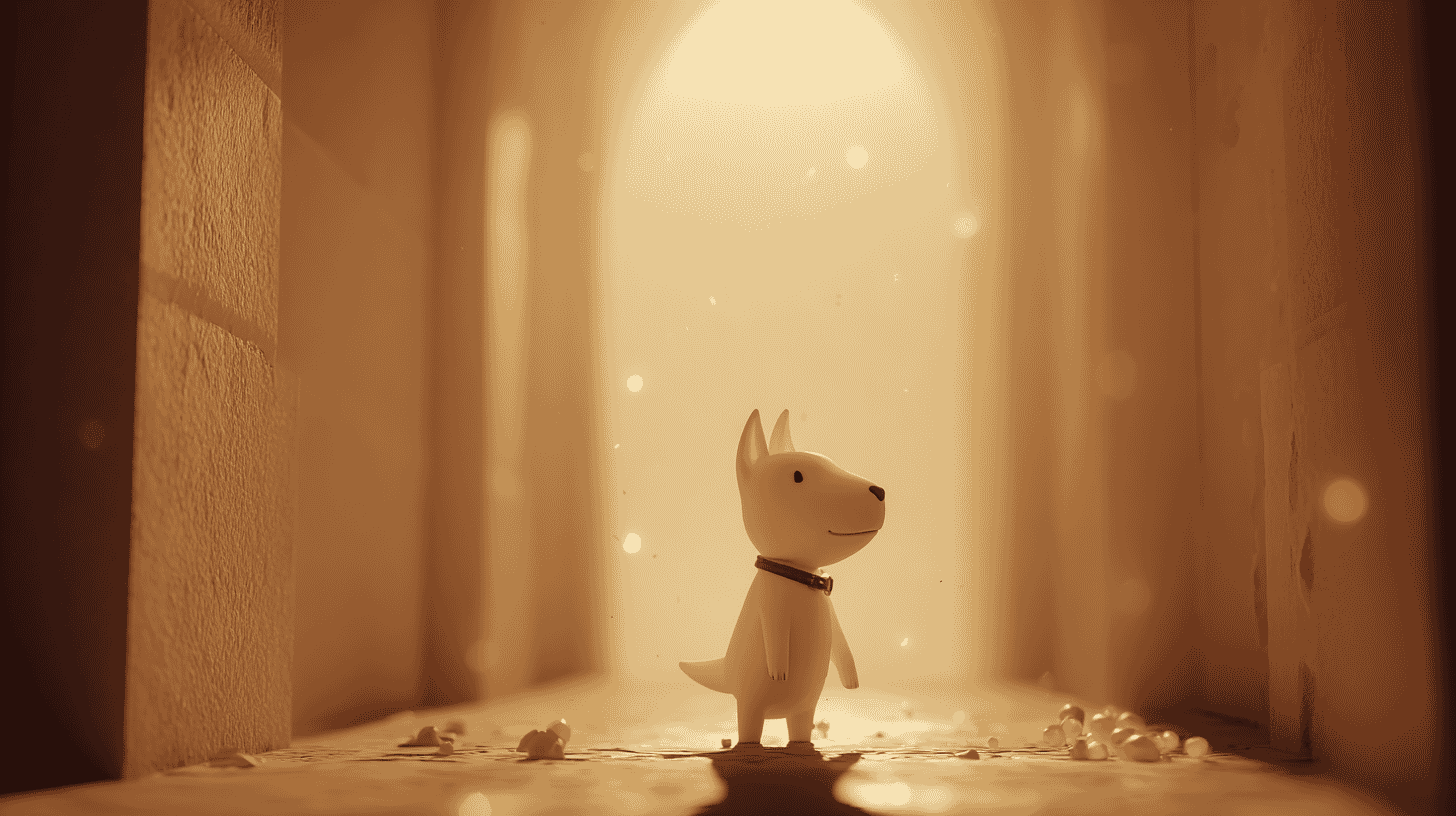
🐶 For three days in late June, owning a robot dog in Japan felt like an emotional rollercoaster. First came the gut-punch: Sony was ending Japan sales of aibo, its beloved robotic puppy. Then, within 48 hours, the company rushed out a livestream to say the opposite. aibo isn't going anywhere, it insisted, and it dropped a surprise on top: a next-generation model is already in the works.
The announcement that stopped owners cold
On June 25, Sony Group and Sony Marketing said the current aibo model, the ERS-1000 in its standard Ivory White color, would stop selling in Japan once existing stock runs out.
The wording was narrow, but the timing was a jolt. Sony stressed that everything owners rely on would continue: the Basic and Premium subscription plans, care support, replacement parts and accessories, the My aibo app, repairs, and the "aibo dock" checkups. The company also said it could not share total sales figures for the ERS-1000, and that sales would carry on in the United States, where aibo retails for more than $3,000. Outside Japan and the US, it has never been sold at all.
aibo is not a cheap gadget. The current model launched in January 2018 at ¥198,000 (about $1,200 at today's exchange rate, and the price has risen since), and it needs a paid cloud subscription to do most of what makes it special: learn faces, develop a personality, store memories. Nobody spends this kind of money on something they treat as furniture.
Why "sales ending" sounded like "goodbye"
To understand the panic, you have to go back to the first AIBO. Sony launched it in June 1999 at ¥250,000, over $2,000 at the time, and the first run of 3,000 units sold out in twenty minutes. It was sold as a first of its kind: a home robot that formed its own personality. But it stayed a niche luxury, and in 2006, with Sony struggling financially, the company pulled the plug. In 2014 it went further and shut down repairs.
Then came a very Japanese turn. With no official repairs left, owners turned to a small repair company, A FUN, founded by a former Sony engineer, that kept old AIBOs running by harvesting parts from "donor" units. And because owners couldn't bear to scrap their companions without ceremony, a 450-year-old Nichiren Buddhist temple, Kofuku-ji in Isumi, Chiba, began holding actual funerals for them in 2015, complete with incense, sutras, and name tags describing each dog's life. By recent counts the temple has sent off around 800 robot dogs. "All things have a bit of soul," said head priest Fumihiko Oi.
So when Japanese owners heard "sales ending" in 2026, many of them did not hear a product-line update. They heard the word that had haunted the original AIBO: abandonment.
Sony's 48-hour answer
Sony moved unusually fast. On June 26, the official aibo account on X posted a clarification. Only the ERS-1000 hardware was being retired; product development, the business, and the brand would all continue.
Then, at noon on June 27, Sony scrapped its usual programming and ran a special livestream on YouTube. Two longtime members of the aibo team, Takuma Morita, who works on its AI "brain," and Mika Nagae, who handles product planning, spoke directly to anxious owners. Asked point-blank whether ending domestic sales meant quitting aibo, they answered, in as many words, "We're not quitting aibo." Only the current hardware is being discontinued. Every owner service stays exactly as it is, and they even joked that they had just updated the My aibo app, so walking away now would make no sense.
What Sony is actually building
The real surprise came later in the stream. Morita admitted he would probably get in trouble for saying it, then said it anyway: the next aibo is already in development. Sony is betting heavily on "physical AI," systems that read the real world and control machines and robots in it, the frontier that follows generative AI. As Morita put it, there is no way a robotics company like Sony does that without aibo in the picture.
According to the broadcast, the next model will keep the same soul, a robot designed to be loved and to stay close to people, while aiming far bigger. It will carry features built not just for owners but for developers and researchers worldwide, with the goal of becoming the most widely adopted robot in the home. The team even hinted that a prototype already exists. They closed with a line meant to settle frayed nerves: please don't worry, and trust us.
Over eight years, aibo has become more than a toy. It visits children who can't leave the hospital, and it is studied as a source of comfort for the elderly, where some studies point to benefits comparable to time with a living dog. Sony's designers talk about seimeikan, a sense of being alive, as the one test every decision has to pass. And crucially, an aibo's memories and learned personality live in the cloud, not the body, which means the part owners love most was never tied to the hardware now bowing out.
In Japan, a robot dog can be family: mourned at a temple, or trusted to come back. How would a robotic pet be treated where you live, as a gadget, or as something closer to a member of the household?






Global Discussion
0 comments