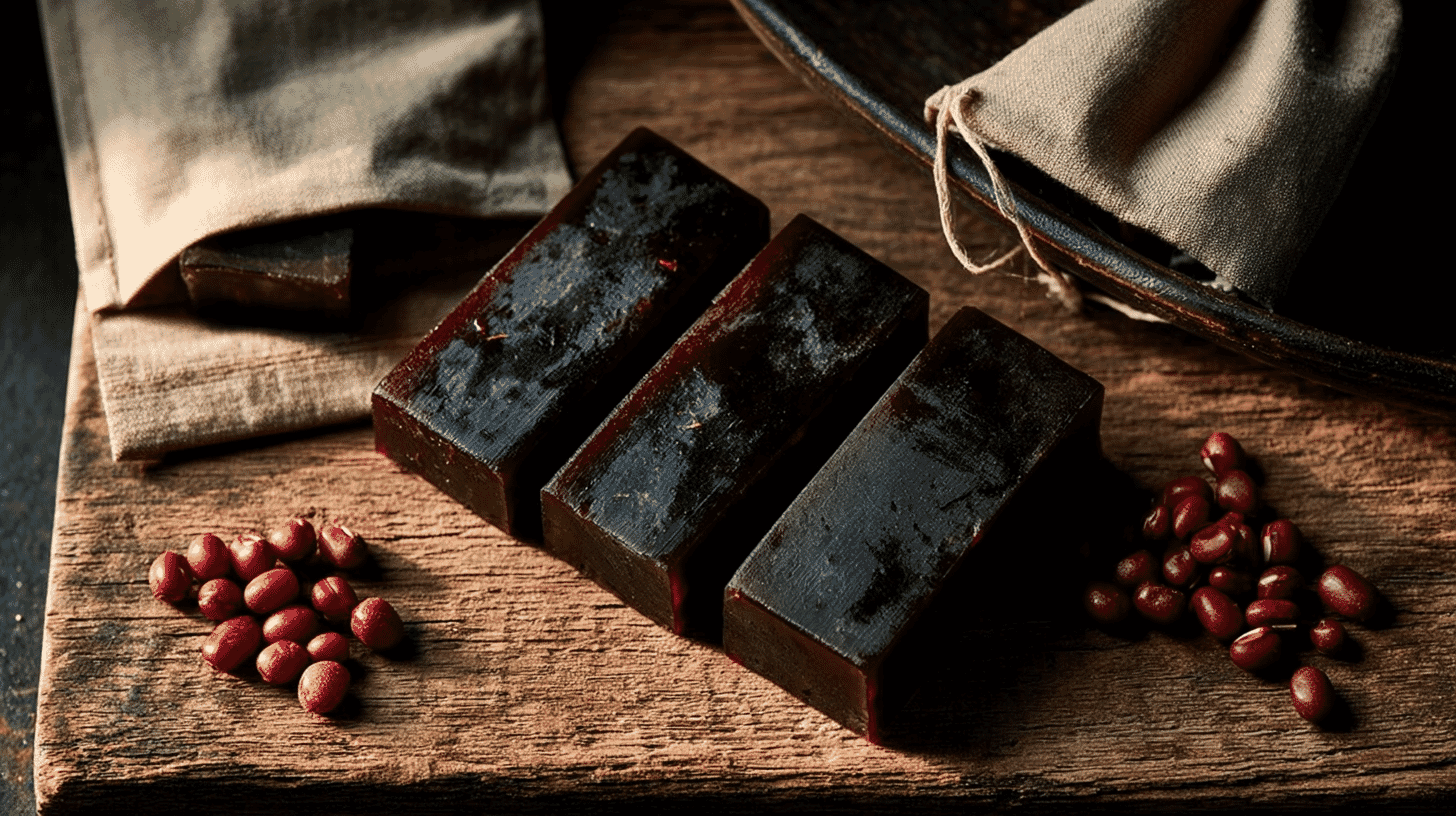
🍡 Another of Japan's secret weapons has quietly slipped out of the country, and this one isn't a robot or a microchip. It's a sweet. A tiny Chiba startup has begun test-selling a bite-sized energy bar in Japan and Australia that is, underneath the branding, a repackaged version of a confection the country has eaten for centuries: yokan. The pitch sounds absurd until you learn what yokan actually is. It might be the most over-engineered survival food you've never heard of.
What exactly is a "cyberpunk yokan"?
The product is called TACT1, the prototype for a new brand named TACT, made by Delta Trading Japan, run by chief executive Akimichi Watarai and based in Shisui, Chiba. The "cyberpunk" label is the company's own. The packaging leans into a sleek, neon-edged look that's a long way from the floral wrapping you'd expect on traditional wagashi.
Strip the branding away and TACT1 is salt yokan cut into 20-gram bars. A box holds fifteen of them, 300 grams in total, and sells for 1,820 yen before tax, or roughly $11 at around 160 yen to the dollar. That's about 75 cents a bar. It's gluten-free, additive-free and vegan, sweetened with beet sugar instead of refined white sugar, and finished with artisan sea salt from Japan's Pacific coast. The ingredient list is almost comically short: Hokkaido azuki beans, beet sugar, agar, sea salt. For now it's sold only through the company's own online shop, JAPAN HUB, in Japan and Australia.
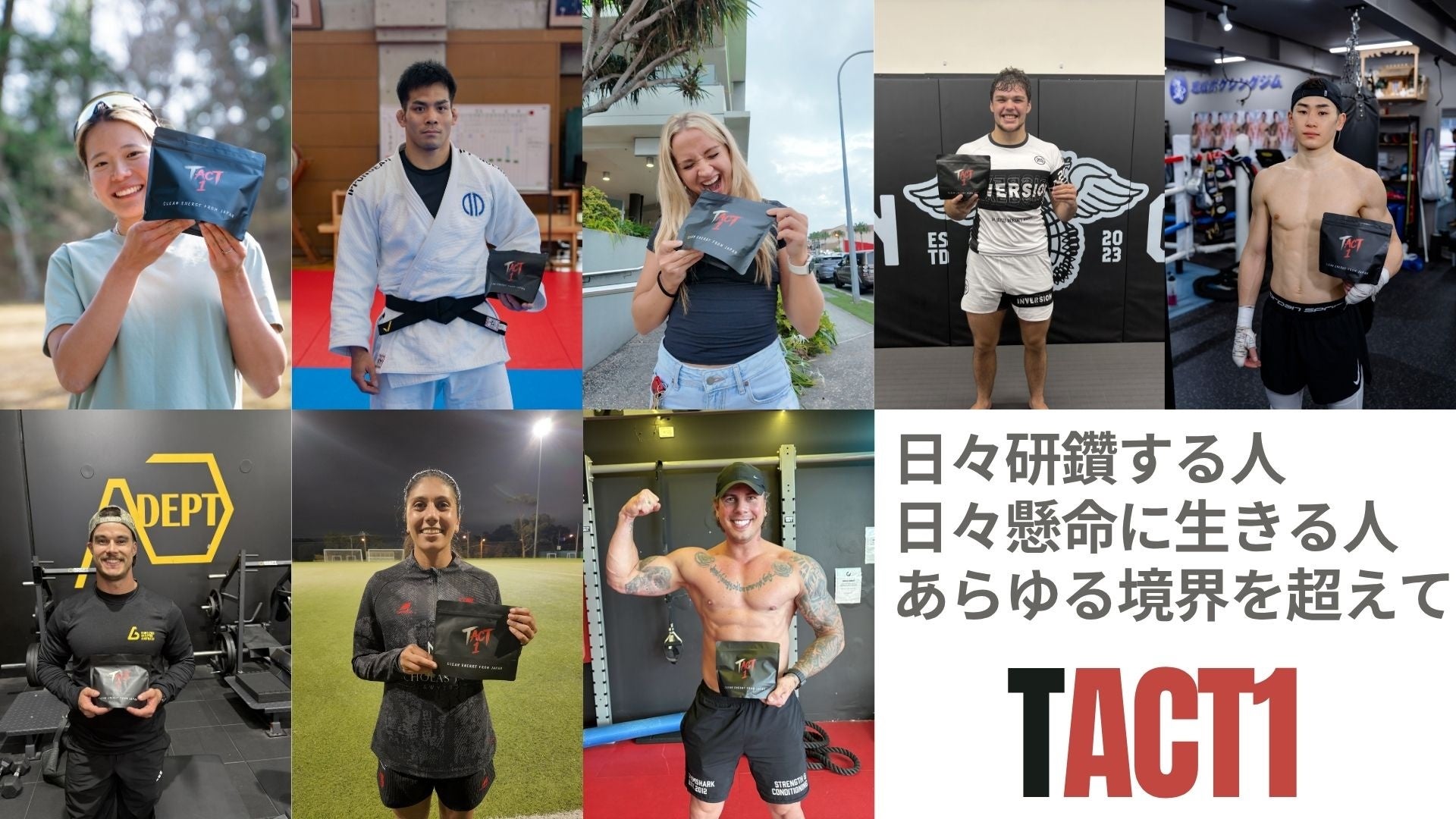
Source: Delta Trading Japan / PR TIMES
Why yokan is a genuinely brilliant survival food
Here's the part that makes the whole idea click. Yokan isn't just a sweet that happens to keep well. It keeps well by design.
Firm "neri" yokan runs about 60 to 70 percent sugar. That number sounds alarming, but the sugar is doing a job. At that concentration it binds up the water in the bar, leaving almost none for bacteria or mold to live on. It's the same principle that keeps jam, honey and rock candy from spoiling. Seal that into an airtight wrapper and you get a food that survives years at room temperature with no refrigeration at all.
The clearest proof has been sitting in Japanese earthquake kits for years: Imuraya's "Eiyokan." It carries a stated shelf life of five and a half years, packs 171 kilocalories, about a small bowl of rice, into a single bar, needs no water, and tears open for one-handed eating. The box is even designed so you can find the opening tab by touch in the dark.
If you've ever hiked a mountain in Japan, none of this is news. Yokan has been a fixture in climbers' packs for generations: dense calories, no melting, no crumbs, no cooking. TACT1 is essentially that mountaineering logic, rebuilt for runners and gym-goers and dressed to sit on the shelf next to imported gels and protein bars.
The azuki problem (and why you might want to stock up)
There's one catch the company is refreshingly upfront about: red bean is a hard sell overseas. The earthy, savory-sweet taste of azuki paste tends to puzzle palates raised on chocolate and caramel. Delta Trading says its Australian taste tests went well regardless, and credits the branding, story and design for carrying people past the unfamiliar flavor. Take that with a grain of salt, since a tasting panel is not a national market, but it's a reasonable bet.
That skepticism is a shame, because the bean everyone underrates is a nutritional sleeper. It carries somewhere between 1.5 and 2 times the polyphenols of red wine, plus heavy doses of fiber, potassium and vitamin B1. And B1 is exactly what helps your body turn carbohydrates into usable energy mid-run. In Japan it was folk medicine long before it was dessert.
And now the half-joking part. Japan's azuki supply has been tightening. Hokkaido grows roughly 90 percent of the country's crop, and a run of record-hot summers has battered harvests, pushing prices to multi-year highs. Stack a fresh wave of overseas demand on top of a climate-squeezed crop, and you can see where the line on the graph wants to go. So, only partly kidding: if you love anko, this might be the moment to keep a couple of bags in the pantry.
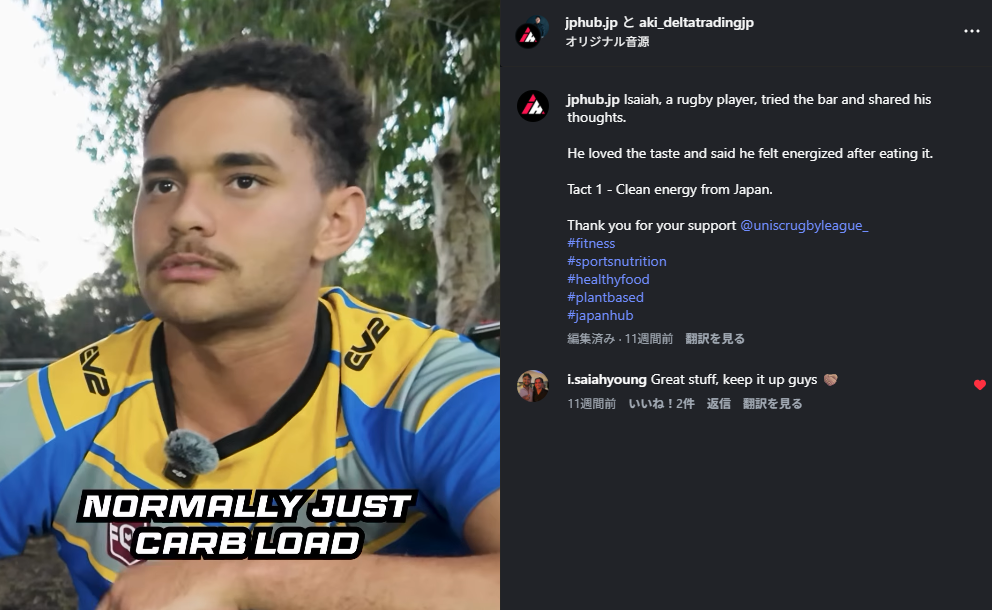
Source: Delta Trading Japan / PR TIMES
Repackaging a food that's centuries old
What makes TACT1 worth a second look isn't the recipe. Yokan is yokan. It's the move behind it. Plenty of Japanese food has gone global lately on the strength of pure novelty: matcha in everything, onigiri vending machines, fermented this-and-that. TACT1 plays a different game. It takes a food the world has mostly ignored and re-files it under a category the world already buys by the truckload: the athletic energy snack.
Whether a startup with 1.5 million yen in capital can actually scale that is an open question. It's currently raising money and chasing sports and fitness events to find its first real customers. But the underlying logic is sound. The very traits that made yokan a portable ration in the age of travel on foot (calorie-dense, shelf-stable, pocketable) are precisely what a modern endurance athlete wants. The product barely had to change. Mostly, the story did.
So, what's in your emergency drawer?
Japan has turned a centuries-old sweet into both a disaster-kit staple and, maybe, an export. Every country has its own version of the thing you reach for when the power's out or the trail is long: the energy gel, the granola bar, the tin of something dependable. What's the one in your house? And would it still be edible after five years in a closet?
Update (July 2026)
In July 2026 the company put TACT1 on the Japanese crowdfunding platform CAMPFIRE to raise money for a full rollout. Its co-founder and chief brand officer is Mauro Moreira, an instructor in classical Japanese martial arts.








Global Discussion
4 comments