As AI demand pushes terrestrial data centers toward their limits in power and cooling, a new frontier is opening in orbit. Japan's NTT Group and SKY Perfect JSAT are moving first through their joint venture Space Compass, built on the IOWN optical platform, while Google's Project Suncatcher and the startup Starcloud race to put solar-powered AI infrastructure in space. Inside Japan's edge in inter-satellite optical links, and the radiation, cooling and launch-cost problems still unsolved.
Western Digital (WD) unveiled its roadmap to 100TB+ HDDs by 2029 at Innovation Day 2026. With HAMR technology for capacity and High Bandwidth Drive plus Dual Pivot tech for performance, WD aims to close the gap with SSDs. Here's what this means for the HDD vs SSD battle in the AI era.
Kagawa Prefecture becomes Japan's first local government to sign a partnership with NVIDIA. From GPU data center development to AI talent cultivation with University of Tokyo's Professor Yutaka Matsuo, discover how this small prefecture is pioneering a bold "Sovereign AI" strategy for regional revitalization.
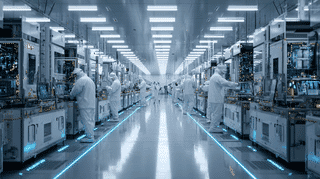
Fujitsu begins domestic manufacturing of sovereign AI servers in March 2026 at its Ishikawa factory. With NVIDIA's latest GPUs and its own MONAKA processor, Japan reinforces digital sovereignty amid rising geopolitical AI infrastructure concerns.
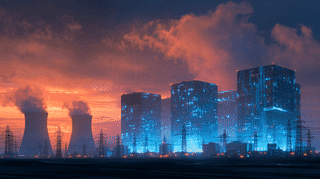
The explosive growth of AI data centers is triggering a global power crisis. Tech giants like Google, Microsoft, and Amazon are making unprecedented investments in nuclear restarts and direct utility partnerships. By 2026, data center power consumption could rival Japan's entire annual electricity use. Explore how AI is reshaping the world's energy landscape, including Japan's unique "Watt-Bit Integration" strategy.
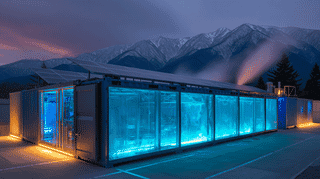
Nagano-based IT company TOSYS has launched Japan's first commercial container data center featuring both water-cooling and liquid immersion cooling. Deployable in as little as 3 months, powered by renewable energy, and with plans for perovskite solar panels, this regional initiative is redefining Japan's data center strategy for the AI era.
A comprehensive look at SiC and GaN power semiconductor innovations reshaping the industry. From 8-inch wafer migration and vertical GaN breakthroughs to surging AI data center demand, explore Japan's role in the next-gen power revolution.
Sumitomo Bakelite acquires Kyocera's semiconductor chemical business for ¥30 billion, filling a gap in materials for AI data center memory. The world's leading encapsulant maker adds epoxy molding compounds and bonding pastes in its largest deal to date.
Sharp's iconic Sakai LCD factory, once the symbol of "LCD Sharp," is being transformed into one of Asia's largest AI data centers by KDDI and SoftBank. By repurposing the massive power and cooling infrastructure from the ¥430 billion facility, they brought a cutting-edge AI hub online in under a year, a powerful symbol of Japan's industrial transformation in the AI era.
Kyushu Electric's CEO predicts 20-30% power demand increase by 2034 due to TSMC semiconductor expansion and AI data center growth. Japan's 7th Basic Energy Plan emphasizes renewables and nuclear power to meet surging electricity needs.
As generative AI drives data center construction boom, Japan faces severe power supply constraints. Peak power demand from new data centers and chip plants is projected to grow about 13-fold by fiscal 2034. GPU servers consume 10x more power than conventional systems, requiring massive cooling energy. Exploring Japan's infrastructure challenges and solutions.