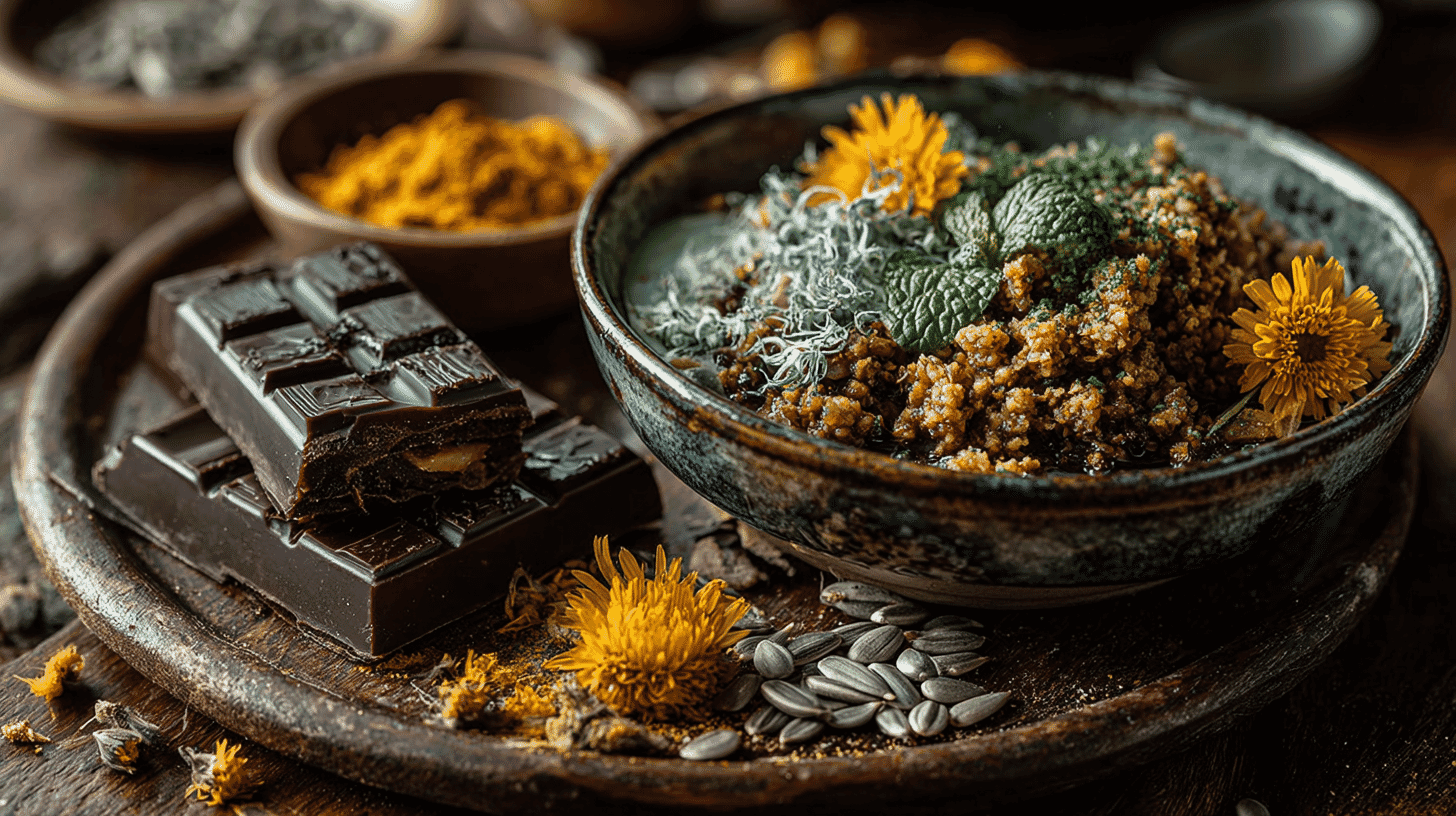
Chocolate with zero cocoa? Japan's supermarkets now stock "chocolate" made from sunflower seeds. Keema curry with soy meat. Allergy-free cake with soy milk. As food prices soar, Japanese consumers are embracing a new wave of alternative foods, and they taste better than you'd expect.
The "Cocoa Shock" Reshaping Japan's Chocolate Market
Valentine's Day 2026 in Japan looks very different from years past. According to research firm Teikoku Databank, the average price of a single Valentine's chocolate has risen to ¥436 (about $2.85), up 4.3% from last year and setting a record for the second consecutive year.
The culprit is the global "cocoa shock," a term coined in Japan to describe the unprecedented surge in cocoa bean prices. International cocoa prices, which hovered around $2,000 per metric ton through 2022, skyrocketed to a record $10,709 per ton in January 2025, roughly quadrupling in just two years. Extreme weather in West Africa's key growing regions, the spread of crop diseases, and speculative trading have all fueled the spike.
In Japan, the consumer price index for chocolate rose 24.4% year-on-year, dwarfing the 7.2% increase for confections overall. Chocolate prices have effectively doubled in five years. Japanese consumers have also noticed a familiar trick: packages that look the same but contain less product, a practice known as "shrinkflation" that has become a hot topic in the country.
Sunflower Seed "Chocolate": The Zero-Cocoa Revolution
Against this backdrop, Japan's retail giant AEON launched an audacious product: a chocolate-like confection made with absolutely no cocoa, called "Choco-ka?" (roughly translated as "Is this chocolate?").
The secret ingredient is ChoViva, a chocolate alternative developed by German startup Planet A Foods. By fermenting and roasting sunflower seeds using a process similar to traditional cocoa bean processing, ChoViva recreates the aroma, flavor, and melt-in-your-mouth texture of real chocolate, without a single cocoa bean.
First released in limited quantities at about 2,200 stores in June 2025, the product quickly gained attention. By September, AEON expanded it to approximately 5,300 stores nationwide with new block-type varieties. Priced between ¥298–398 ($1.95–$2.60), it's roughly 10% cheaper than comparable chocolate products.
Associate Professor Yoko Tanaka of Fuji Women's University tried the product on camera and remarked that she wouldn't have known it was made from sunflower seeds unless told. Food reviewers noted that while the deep cocoa aroma was slightly lighter, the sweetness and texture were impressively close to the real thing.
Unlike cocoa, which requires very specific tropical growing conditions, sunflowers can be cultivated in a wide range of climates. This makes sunflower-based chocolate a more stable and sustainable alternative, a key selling point for environmentally conscious consumers.
Soy Meat: Rising Meat Prices Give Plant-Based Protein a Second Wind
The alternative food wave extends far beyond chocolate. As pork and beef prices climb, "soy meat" (daizu mīto) is experiencing a renewed surge of interest in Japan.
Soy meat is a plant-based protein product made primarily from soybeans, a crop so protein-rich that it's traditionally called "meat of the field" (hatake no niku) in Japanese. Available in minced, sliced, and block forms, soy meat products now occupy significant shelf space in Japanese supermarkets.
Japan's domestic soy meat market has grown from approximately ¥1.5 billion ($9.8 million) in 2019 to an estimated ¥4 billion ($26.1 million) by 2025. Major food companies including Nippon Ham, Marukome, and Otsuka Foods have entered the market, dramatically improving product quality.
In a taste test aired on FNN, a reporter who tried keema curry made with soy meat was genuinely surprised: the texture was indistinguishable from real ground meat, she said. The appeal goes beyond mimicking meat: soy meat is lower in calories, higher in plant-based protein, and has a much longer shelf life, making it popular with budget-conscious families, fitness enthusiasts, and health-focused consumers alike.
Allergy-Free Cakes: Soy Milk Sweets Enter the Spotlight
Food innovation in Japan is also addressing the growing challenge of food allergies. A bakery called L'Dor in Hokkaido has developed a mousse cake made entirely from soy milk, eliminating the "big three" allergens in Japanese baking: wheat, eggs, and dairy.
With the number of children diagnosed with food allergies on the rise in Japan, demand for safe-to-eat alternatives has surged. The bakery's manager explained that they set out to see what would happen if they removed all three allergens from cake, and the result was a soy milk dessert that customers can't distinguish from a conventional cake.
The shop even takes reservations for whole cakes, and word-of-mouth recommendations have made it increasingly popular. This reflects a broader trend in Japan: alternative ingredients are no longer about sacrifice or compromise, but about creating something genuinely delicious.
Three Forces Driving Japan's Alternative Food Boom
The renewed interest in alternative foods in Japan isn't driven by a single factor; it's a convergence of three powerful trends.
Price pressure. The soaring costs of cocoa, meat, and dairy are pushing consumers toward more affordable alternatives. Because alternative foods rely on more stable, widely available ingredients, they offer a buffer against volatile commodity markets.
Health consciousness. Soy meat's low-fat, high-protein profile appeals not only to gym-goers and dieters but also to older adults concerned about lifestyle-related diseases. Japan's aging population is increasingly receptive to foods that support long-term health.
Sustainability awareness. Particularly among younger Japanese consumers, the so-called "MZ Generation" (teens to mid-40s), there's growing interest in choosing foods with lower environmental impact. Concerns about the greenhouse gas emissions from livestock farming and child labor issues in cocoa-producing regions are adding moral weight to the alternative food movement.
Will Alternative Foods Become a Staple in Japan?
Associate Professor Tanaka predicts that continued research will improve quality while bringing prices down. Indeed, the pace of food technology innovation suggests that the gap between alternatives and their traditional counterparts will only continue to shrink.
Challenges remain, however. Japan's soy meat market has shown signs of plateau since peaking around 2022, with some analysts noting that products need to evolve from "surprisingly good for a substitute" to "genuinely preferable." The key challenge is repositioning alternative foods not as a compromise forced by rising prices, but as a positive choice consumers actively seek out.
What's remarkable about Japan's approach is the meticulous attention to taste and texture that characterizes the country's food culture. Japanese food companies aren't simply replacing ingredients; they're applying the same level of craftsmanship to alternative foods that has made Japanese cuisine world-renowned. Zero-cocoa chocolate, meat-free keema curry, allergen-free cake: these aren't temporary stopgaps. They represent a new chapter in Japan's food innovation story, one where necessity breeds creativity and rising prices spark a culinary revolution.
Japan is turning food price hikes into an opportunity for innovation. Are alternative foods like sunflower seed chocolate or soy meat gaining ground in your country? What creative swaps have you made to deal with rising food prices?





Global Discussion
15 comments