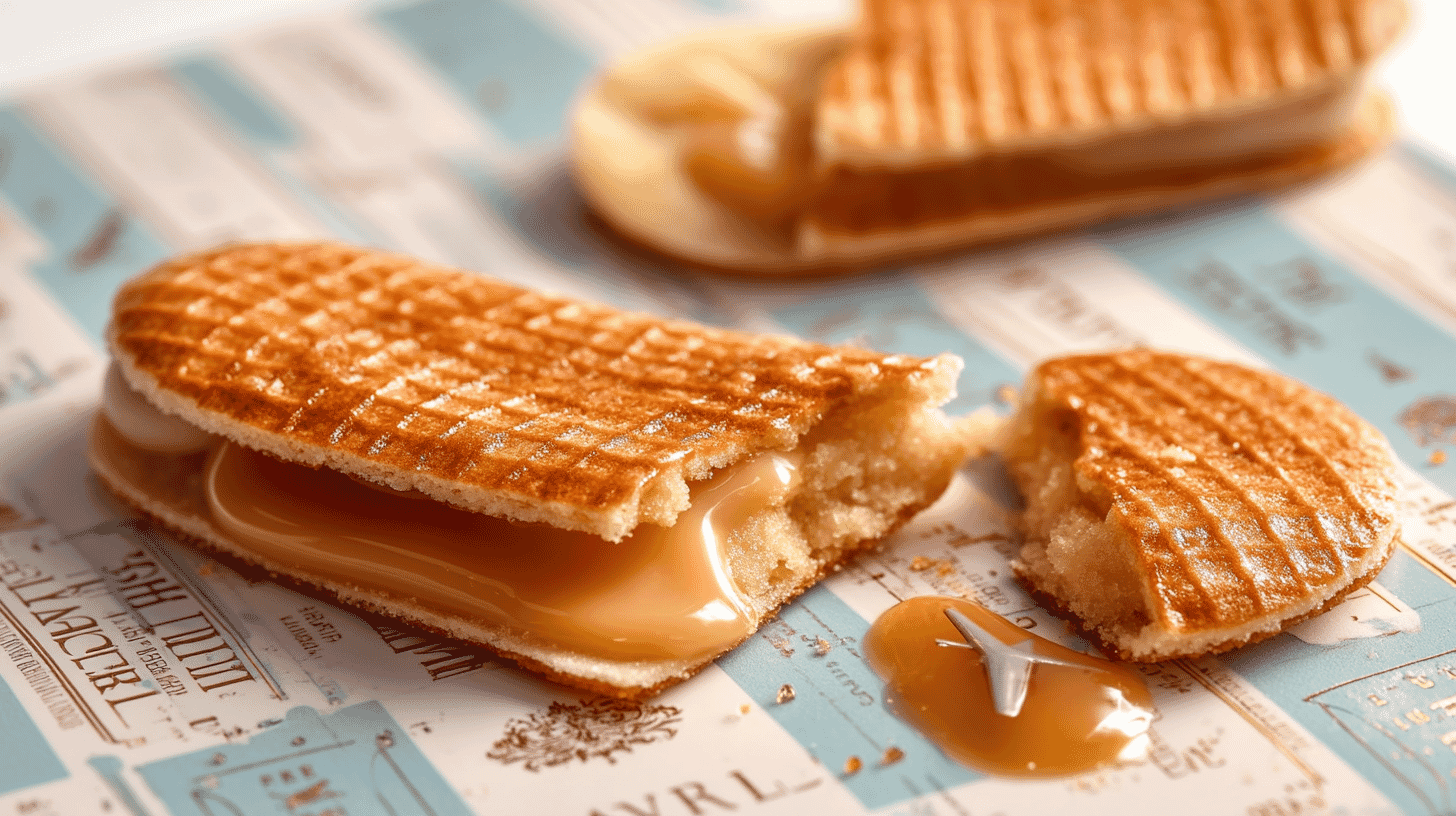
There's a butter confection at Tokyo's Haneda Airport that you can't buy anywhere else, and international tourists are going wild for it. "I'm coming back to Japan just to eat this again," some say of "Butter no Itoko," a sweet born from dairy that would otherwise go to waste. How did it become the target of a souvenir frenzy? The answer lies in Japan's limited-edition strategy and its omiyage culture.
What Is "Butter no Itoko"?
In the dairy heartland of Nasu, Tochigi Prefecture, a confectionery brand called "Butter no Itoko" (literally "butter's cousin") was born in 2019. Developed by GOODNEWS Inc. and supervised by Chef Yuichi Goto of the Yoyogi-Uehara restaurant "PATH," it was designed with both flavor and purpose in mind.
The concept stems from a problem in dairy farming. Only a small part of milk becomes butter; the bulk remains as skim milk (non-fat milk), which typically sells at low prices. Butter no Itoko was created to raise the value of that overlooked byproduct. The name is a playful nod: skim milk is butter's cousin, born from the same source yet treated very differently.
The confection features a thin gaufrette (waffle) shell sandwiching milk jam and butter cream, with a triple-texture experience of soft, crunchy, and melt-in-your-mouth. The interplay of sugary crunch and buttery richness is genuinely hard to forget.
The Haneda-Only "Gotochi BOX"
While Butter no Itoko has stores in Nasu, at Tokyo Station, and at Tokyo Skytree Town, Haneda Airport carries something special: the "Haneda Airport Limited Gotochi BOX" (¥6,210, about $40).
It packs 18 pieces across five flavors: the classic Milk, Chocolate, Anko Butter (sweet red bean paste with butter), Salted Caramel, plus the Haneda-exclusive Chocolate Caramel. The limited flavor blends fruity Peruvian cacao, bittersweet caramel cream, and a hint of sea salt for a grown-up taste.
The packaging is decorated with the airport codes of major world cities and the brand's mascot "Itoko-chan" traveling by plane. Shops operate in both Terminal 1 and Terminal 2, and the Terminal 1 outlet inside the departure gate lounge (near Gate 15) can be reached only after clearing security. There, you effectively need a boarding pass to buy it.
Japan's Omiyage Culture
Buyer reviews capture the frenzy: one gave the sweets to a foreign friend who loved them so much they resolved to return to Japan just to buy more; others describe family members fighting over the pieces. Behind this is a distinctly Japanese mix of culture and marketing.
First is omiyage culture. In Japan, bringing back carefully chosen souvenirs from any trip is practically expected, a tradition of edible gift-giving that few countries share to the same degree. Buying an airport-exclusive sweet as a final act before departure feels like a small ritual to foreign visitors.
Second is the psychology of scarcity. "Only available here" triggers what behavioral economists call the scarcity principle, the human tendency to value things more when they are hard to get. Japan's confectionery makers have mastered this with "gotochi" regional exclusives that turn every station and airport into a treasure hunt.
Third is quality. Japanese airport sweets are not mere trinkets; they sell on recipes from name-brand restaurant chefs. That seriousness wins over even discerning travelers from Europe and North America.
The 40-Million Tourist Era
In 2025, Japan drew about 42.68 million international visitors, topping 40 million for the first time and setting a record. Their spending also hit a record ¥9.46 trillion (about $63 billion), with per-capita spending averaging ¥229,000 (about $1,500). Both figures rose sharply from 2024 (about 36.87 million visitors and ¥8.14 trillion in spending).
According to Japan Tourism Agency surveys, confectionery is the top souvenir category for foreign tourists, bought by roughly 70 percent, and airport duty-free shops are among the most popular places to shop. Airport-exclusive sweets sit right at the center of inbound spending.
GOODNEWS, the company behind Butter no Itoko, runs a complex in Nasu with its own factory and employment-support functions under the banner of sustainable community building. The sweet's sales support local jobs and dairy farmers' incomes while tourists get a delicious souvenir, a textbook case of "sanpo-yoshi": good for seller, buyer, and society.
Sustainable Deliciousness
What sets Butter no Itoko apart from a passing viral treat is its sustainability story. Using skim milk, an underused dairy byproduct, as its main ingredient helps cut food waste.
That narrative resonates with environmentally conscious travelers from Europe, Australia, and North America. A souvenir with a story becomes more than a product; it becomes an extension of the trip.
Choosing a souvenir is itself a cultural experience. In your country, is there a tradition of bringing back gifts from a trip?






Global Discussion
15 comments