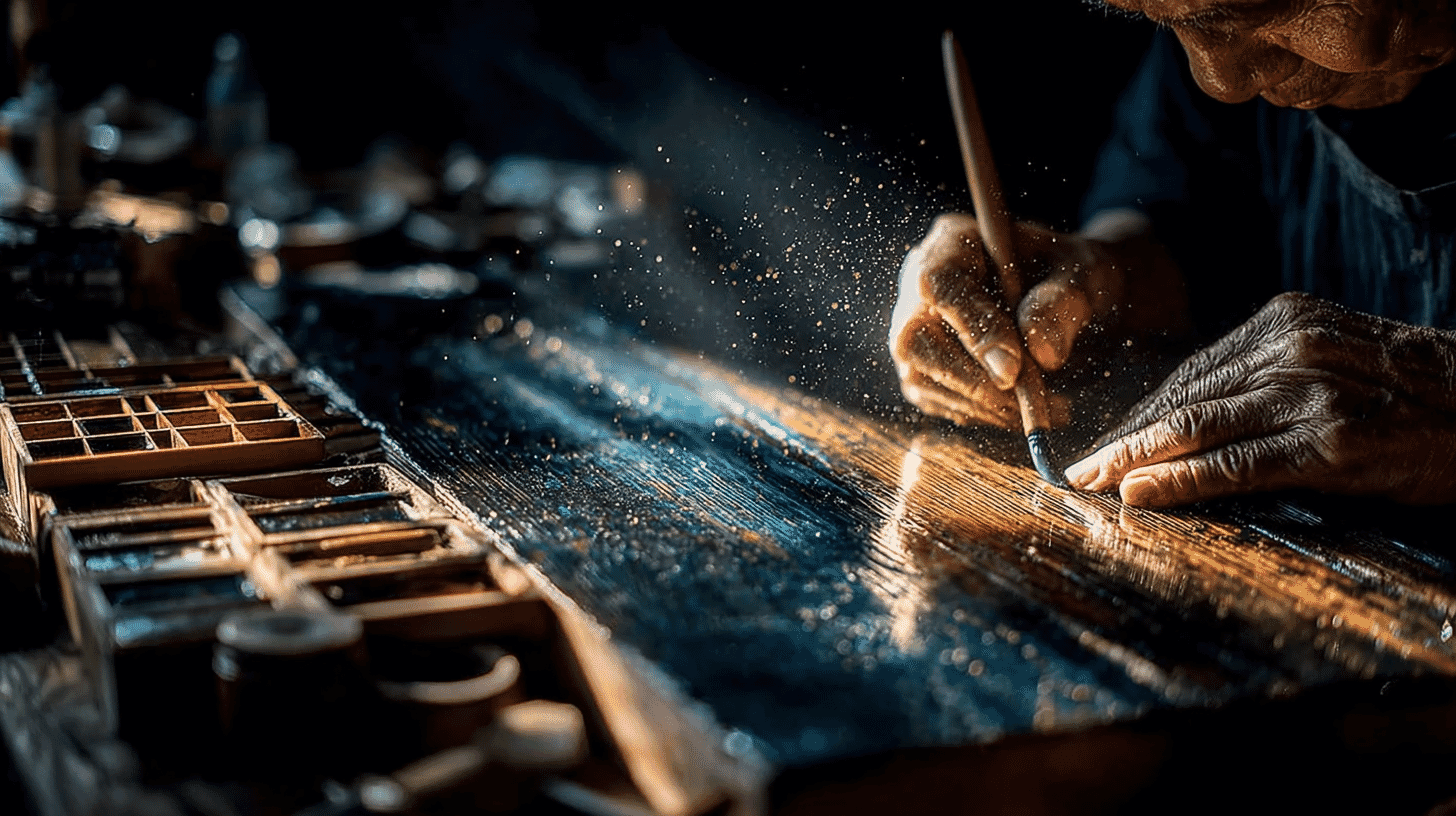
"Sui" (粋) is one of those Japanese concepts that resists easy translation. It grew out of the merchant culture of the Edo Period (1603–1867) and describes a refined elegance that comes not from showing off, but from restraint, subtlety, and deep knowledge worn lightly. Sui is the Kamigata (Kyoto-Osaka) reading of the same character Edo pronounced iki, and in his 1930 book "The Structure of Iki," the philosopher Shuzo Kuki argued the two words carry the same content in different regional speech. Kuki treated the aesthetic as distinctly Japanese on the grounds that no other language has an exact equivalent. The closest French terms are "chic" or "raffiné," but neither fully captures it: it is a kind of quiet luxury that doesn't need a logo.
This concept is now at the heart of a major cultural initiative by the Japanese government. The Cabinet Office launched the JAPAN SUI COLLECTION project to curate the country's finest traditional crafts, regional specialties, and culinary traditions, reinterpreting them through a contemporary lens for global audiences.
Masaya Kitao, a councillor at the Cabinet Secretariat, told reporters in Kyoto that the goal is not simply to uncover regional treasures and show them abroad, but to create new value through modern interpretation and collaboration while keeping the original spirit and technique intact. Rather than treating tradition as a museum piece, SUI COLLECTION presents it as craft that belongs in modern life.
Act One: Kyoto's State Guest House Sets the Stage
The project debuted on November 14–15, 2025, at the Kyoto State Guest House, a facility built to host foreign dignitaries, with traditional "irimoya" half-hipped roofs and "sukiya-zukuri" tea-ceremony architecture. It is Japanese craftsmanship at the highest governmental level.
Around 60 curated works were displayed across four themes: regional heritage, modern interpretation, contemporary design, and "wow" impact. The lineup included Wajima-nuri lacquerware from Ishikawa Prefecture, Kutani-yaki ceramics and Hakata dolls, each representing a different facet of Japan's craft ecosystem.
The invited guests, European business leaders, creatives and cultural figures, experienced something no brochure could convey: the depth of urushi lacquer's glow under museum lighting, the weight and warmth of handmade ceramics, and the stories artisans told about decades of dedication.
Designer Junko Koshino staged a fashion show in the corridor between the exhibition rooms, with models in dark robes accented in gold walking beneath washi-covered lights while Noh musicians played. The programme also included a kyogen comic theatre performance, a tea ceremony by masters of the Mushakoji-senke school, Ikenobo ikebana, and a bamboo installation by Tanabe Chikuunsai IV.
Act Two: Paris Falls for Japanese Craftsmanship
From March 3 to 5, 2026, the project crossed borders for its European debut at Hotel Le Royal Monceau – Raffles Paris. Roughly 200 leaders from Europe's business, cultural and creative sectors attended, and about 50 works were shown.
A Living National Treasure in the Room
The star attraction was lacquer master Kazumi Murose, a Living National Treasure, a title Japan reserves for the highest level of mastery in traditional arts. His Lacquer Art Box drew guests into close study of its surface, where the urushi finish created an almost mirror-like stillness. Murose was on hand to talk through the work behind it.
The Sendai Tansu cabinet generated equally intense interest. Rooted in the samurai culture of Miyagi Prefecture, these cabinets combine robust construction with ornate lacquered wood and intricate metal fittings. Visitors called them architectural and intimate at the same time.
What truly surprised European guests was the application of traditional lacquer technique to genuine leather, a concept entirely new to the market. It embodied the SUI COLLECTION's core position: tradition is not a static museum piece.
Nobu Matsuhisa's Culinary "Sui"
On March 4, the hotel's restaurant DINING MATSUHISA PARIS was exclusively reserved for a bespoke culinary experience supervised by world-famous chef Nobu Matsuhisa.
Premium ingredients flown in from Japan, including Kito yuzu citrus, hoshigaki (sun-dried persimmons), sansho pepper, wagyu beef and organic rice, were served on mame-zara (miniature plates) brought from Japan. The evening featured pairings with 16 varieties of Japanese sake, many making their European debut, alongside artisanal cheeses and a matcha service. Guests said it felt like travelling through Kyoto without leaving Paris, according to the organisers.
Fashion Meets Classical Dance
Junko Koshino produced both a fashion show inspired by Japanese tradition and a performance of Nihon Buyo (classical Japanese dance), with costumes of her own design. The dancer's precise, restrained movements made the central quality of Sui visible: control, held rather than displayed.
Why Europe Is Paying Attention
During the reception, the conversation shifted from admiration to action. Guests asked where they could buy the lacquer-finished Sendai Tansu cabinet. Others talked about bringing the exhibited works into their own daily lives.
This response reflects a broader trend in European luxury markets. The era of conspicuous consumption is giving way to quiet luxury, an emphasis on material quality, artisan skill and heritage over visible branding. Japanese traditional crafts, with centuries of accumulated technique behind them, sit well in that shift.
Gianfranco Chicco, who attended the Kyoto event and writes the craft newsletter The Craftsman, noted that what makes Japanese craft compelling goes beyond technical mastery: it includes a sense of purpose and often a playfulness rarely found elsewhere. He is also the one who calls iki Japan's quiet luxury and reads Kuki as presenting it as the supreme aesthetic refinement of Japanese culture. The SUI COLLECTION is betting that this aesthetic has to be experienced rather than explained.
Where to See "Sui"
The works presented at both events are featured on the official site, japan-sui-collection.go.jp. The Kyoto State Guest House itself opens for public visits on select dates, with advance reservation required. For a broader survey of Kyoto's traditional industries, the Kyoto Museum of Crafts and Design sits in the basement of Miyakomesse nearby; check its site for opening days and admission.
What Comes Next
The Kyoto and Paris events are only the prologue. The Cabinet Office calls Paris a significant milestone in expanding the global presence of Japan's traditional culture and regional gastronomy, and says the aim is not only to preserve heritage but to reinterpret long-standing techniques and aesthetics for contemporary society.
Japan faces a serious shortage of successors in its traditional craft industries. Connecting artisans with global markets could create new career paths for young people. Whether "Sui" becomes more than a branding word, and builds an ecosystem that sustains the next generation of craftspeople, is the real test here.
In Japan, the aesthetic of "Sui" has been woven into daily life for centuries. Does your country have traditional crafts or philosophies of beauty that still shape how people live today? How are they being preserved, or transformed, for the modern world? We'd love to hear your perspective.
References
- https://japan-sui-collection.go.jp/
- https://www.prnewswire.com/news-releases/masterpieces-of-craftsmanship-gastronomy-and-culture-japan-sui-collection-a-paris-captivates-200-european-leaders-at-le-royal-monceau-302708786.html
- https://www.prnewswire.com/news-releases/japan-sui-collection-in-kyoto-bringing-essence-of-japanese-beauty-and-tradition-to-world----report-on-kyoto-state-guest-house-event-302654609.html
- https://marieclairejapon.com/culture/269301/
- https://www.gchicco.com/the-structure-of-sui-exporting-japans-quiet-luxury/
- https://travelmktg.com/japan-sui-collection-a-paris-march-3-5-2026-paris/







Global Discussion
13 comments