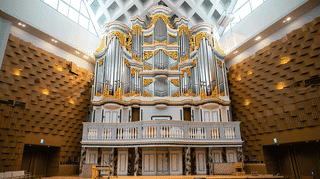
A 50-stop organ built by 18th-century methods has been finished at a Yamazaki Baking hall near Tokyo. It takes five people to sound right, at a moment when Japan's public halls are struggling to keep theirs.
Megane Fes 2026 takes over Sabae on September 19 and 20. Fukui makes 93.5% of Japan's eyeglass frames, and according to the Fukui Optical Association the town produced the world's first titanium glasses in 1983.
On August 7, 2026, Japan's mechanical engineers added six objects to their Mechanical Engineering Heritage list, now 138 long: a camera that hit 45,000 frames a second in the 1920s, and a micrometer kept on a home altar.
A lump of iron from a Toyama riverbed turned out to be a meteorite. Enomoto Takeaki had five swords forged from it in 1898, and the same rock later served as a reference for researchers analysing Tutankhamun's dagger.
BBS supplied wheels to every F1 car for four seasons, all forged in Takaoka, Japan. Inside the Meister system and a different answer to the craftsman-versus-robot question.
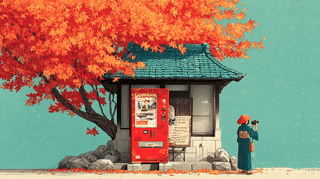
Steps from Nikko's World Heritage shrines stands a vending machine selling antique kimono jackets for a flat 1,000 yen, with the catch that you never know which one you'll get. Here's the story behind Japan's kimono gacha and the small theater that created it.
Tourists are buying Japanese knives in record numbers, and makers are posting all-time-high profits. But there's a tier money can't fast-track—where top chefs wait years. Meet three masters: Sakashita, Nenohi, and Yu Kurosaki.
While matcha sells out worldwide, the kyusu, the side-handled teapot once found in every Japanese home, is quietly disappearing. What a kyusu is, where its odd shape came from, why it fell out of use, and why you should try a cup brewed in one when you visit Japan.
Warabi mochi is a Japanese sweet famous for its jiggly, melt-in-your-mouth texture. We dig into its surprising origin (it is not made from rice), its thousand-year history, the rise of matcha warabi mochi, and why it keeps going viral on TikTok.
At a major Japanese pet expo, a homegrown technology called Livnight grows a sparkling gem from a dog's ashes. It costs far less than an ash-diamond, actually out-sparkles one, and never leaves Japan. A clear look at why Livnight, plus the country's pet farewell culture.
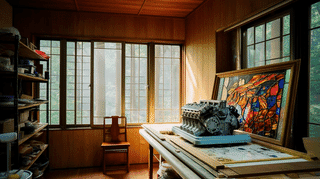
GAIA RESORT ACURA, a new rental villa in Zao, Miyagi, preserves the workshop and stained-glass art of the late Honda engineer Akira Ishizuya, who worked on the CVCC engine. A stay built around Japan's craftsmanship for car and motorsport fans.
A new private tour called NINJA ORIGINS lets travelers train as real ninja in Iga and Koka, the birthplace of ninjutsu. From 200,000 yen (about $1,260) per person per night, guests sleep in restored historic buildings and join shrine rituals and a museum infiltration mission, as part of a model that funnels tourism revenue back into heritage conservation.
Tanuki Marugoto BOOK hit #1 in twelve Amazon Japan categories on pre-orders alone before its May 1 release, and topped Rakuten Books' daily ranking. Shigaraki pottery and its eight lucky aspects, Studio Ghibli's Pom Poko, Tom Nook in Animal Crossing, and a single social post about a defeated-looking tanuki with 96.5 million views. Why this animal is loved across so many cultural layers in Japan, explained for readers who keep mistaking it for a raccoon.
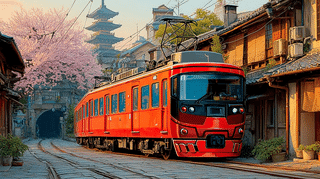
Kunio Okawara, the legendary mechanical designer who created Gundam's Mobile Suits, will design Seibu Railway's new tourist limited express debuting in 2028. Running from Shinjuku to Kawagoe, aka 'Little Edo', the train pairs Japanese anime heritage with access to Edo-period streetscapes and the scenic Chichibu region.
In April 2026, a rusting steam locomotive on the tiny Pacific island of Nauru is heading to Japan for restoration. The plan began when Nauru's tourism office tweeted 'Can anyone identify this steam engine?' and Japanese rail preservation groups recognized it as a German-built Orenstein & Koppel locomotive from the phosphate-mining era. Now Japan's legendary SL restoration craftsmen will bring it back to life, with plans to eventually run it as a tourism train in Nauru itself.
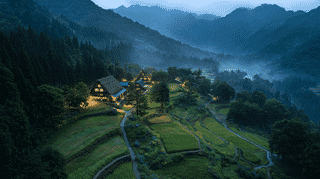
In Itoigawa, Niigata, a hamlet with just 2 year-round residents has launched a 'whole-village rental' stay experience. Guests sleep in a 200-year-old farmhouse and experience the entire village, rice paddies, spring water, snow, as their accommodation. A new model for reviving Japan's vanishing communities.
The Japanese government's JAPAN SUI COLLECTION project made its European debut in Paris in March 2026, showcasing Living National Treasure lacquerwork, Sendai Tansu cabinets, and a Junko Koshino fashion show at Le Royal Monceau. Here's how 'Sui', Japan's philosophy of refined elegance, captivated 200 European leaders.
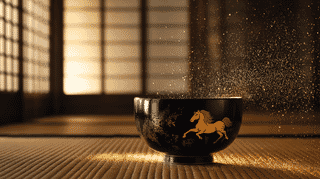
Yamada Heiando, a 107-year-old lacquerware maker that supplies Japan's Imperial Household, collaborates with Pokémon to create handcrafted bowls featuring Ponyta in traditional makie gold-dust technique. Discover how Japan's ancient craft meets pop culture in this 'Only in Japan' fusion, priced at around $110.
On March 24, 2026, Japanese lawmakers launched the MOKEI Culture Promotion Parliamentary League, chaired by former Foreign Minister Yoko Kamikawa, to position plastic models as a national cultural asset. From Shizuoka's Bandai Hobby Center museum to Gundam Base Tokyo and Akihabara shops, discover why Japan's model kit culture deserves global recognition.
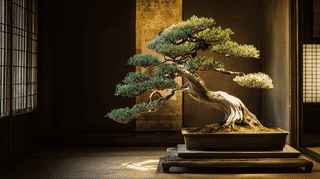
The global bonsai market is projected to reach roughly $13 billion by 2030, growing about 10% a year. Explore why wabi-sabi aesthetics are captivating the world, bonsai philosophy, and must-visit spots like Omiya Bonsai Village.