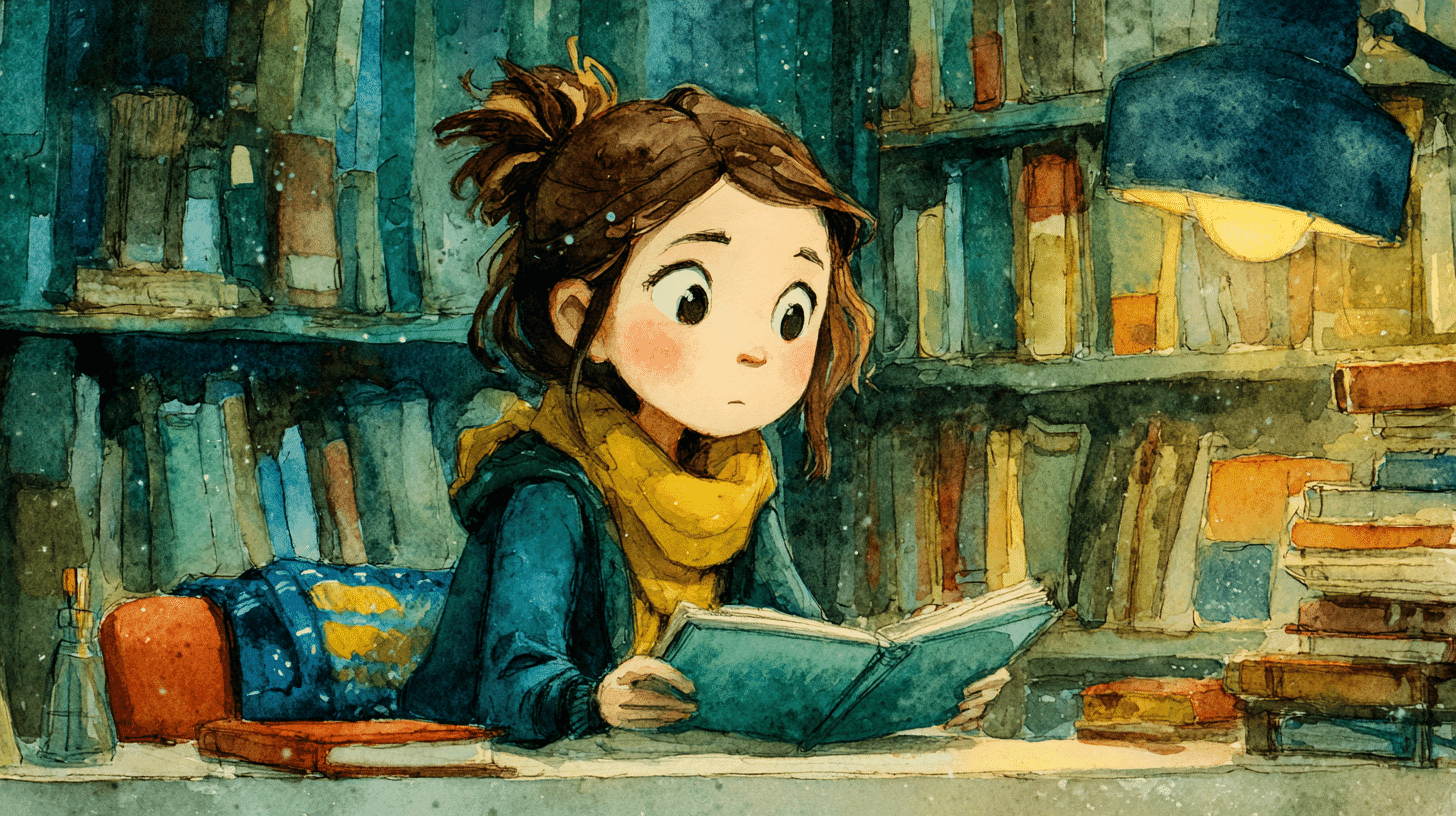
📚 As the war in Ukraine grinds past its fourth year, 5,000 Japanese picture books have started arriving in the hands of Ukrainian children, all in Ukrainian translation. Among them: the watercolors of Chihiro Iwasaki, the gentle bear Donkuma-san, and a book written by Empress Emerita Michiko about a mountain hike with her daughter. The printing was done by a company in Kharkiv, just 20 kilometers from the front line. And the publisher behind it all is Shikosha, a small house founded in 1948 by a war widow who wanted to do something for children growing up in the rubble.
A ceremony at Kyiv's biggest book festival
From May 28 to 31, 2026, Kyiv hosted the 14th International Book Arsenal Festival, Ukraine's largest book fair, held even in wartime.
On the final day, an event titled "Japanese Books for the Children of Ukraine" marked the official launch of the Picture Book Donation Project to Ukraine. According to a report by JETRO (Japan External Trade Organization), five Japanese picture books have been translated into Ukrainian, 1,000 copies of each title, and the 5,000 books will reach roughly 1,000 locations across the country: schools, libraries and children's hospitals.
The project is led by three partners: Japanese picture book publisher Shikosha, the Ukrainian cultural center Ukraine House Japan, and Ranok, one of Ukraine's largest publishers. It runs with the cooperation of both governments, and the entire cost of translation, printing, and distribution is covered by donations from Japanese companies.
Japan's ambassador to Ukraine, Masashi Nakagome, and Ranok president Viktor Kruhlov were among those who took the stage. Kruhlov told Interfax-Ukraine that he had long felt the need to build more cultural bridges between the two countries after seeing Japan's support for Ukraine, so when the Japanese side approached him, he agreed immediately. Picture books, in his view, play a vital role in supporting children living through war.
The five books: from Chihiro's watercolors to an Empress's mountain hike
The five titles published in Ukrainian are Norainu (The Stray Dog), Yuki no Hi no Tanjobi (A Birthday on a Snowy Day), Donkuma-san no Pan (Donkuma-san's Bread), Mori no Akachan (Baby of the Forest), and Hajimete no Yamanobori (My First Mountain Hike), all long-sellers from Shikosha's catalog.
A Birthday on a Snowy Day (1973) is the work of Chihiro Iwasaki, whose soft, bleeding watercolors of children made her one of Japan's most loved artists. The affection has barely faded more than half a century after her death. Donkuma-san's Bread, illustrated by Kozo Kakimoto, belongs to the long-running Donkuma-san series about a clumsy but kind-hearted bear, read by Japanese children since the first book appeared in 1967.
And then there is My First Mountain Hike (1991), written by Empress Emerita Michiko. The text grew out of a family memory: in 1975, when she was Crown Princess, she and her family climbed the 2,040-meter Mt. Sanpogamine, among them her daughter Princess Sayako (now Sayako Kuroda), who had just turned six. She kept the text to herself for seventeen years; it became a book in 1991, illustrated by the painter Wako Takeda. It follows a little girl who completes her first mountain climb by believing that a serow, a Japanese mountain antelope, is somewhere out there watching over her. As a gift to children facing hardship, the choice feels almost pointed: a story about finding the courage to keep walking.
Shikosha: a publisher born from a war widow's resolve
Shikosha, the Japanese publisher driving the project, is something of a quiet legend among picture book lovers. And its own origin story echoes the donation in an uncanny way.
The company began in 1948, three years after Japan's defeat, as an organization called Hikari no Tomo Jigyodan ("Friends of Light"). At its center were Kimiko Takeichi, a Catholic woman widowed by the war, and her eldest son Yasoo Takeichi, then a student at Keio University. According to an interview published by the Japanese picture book site EhonNavi, they founded it with classmates and the help of a Canadian Franciscan priest, driven by a simple wish: to do something for the children who would carry Japan's future out of the postwar chaos.
In May 1948 they launched BABY DIGEST, a children's magazine introducing cultures and classic stories from around the world. It later evolved into the monthly picture book magazine Kodomo no Sekai ("The Children's World," from 1955), which is still read today in Christian kindergartens and nursery schools across Japan. The company took the name Shikosha in 1953.
What makes Shikosha special is what it did for the art of the picture book itself. In an era when illustrations in Japan were widely treated as mere decoration for text, editor Yasoo Takeichi teamed up with Chihiro Iwasaki to experiment with books where the pictures drive the story. One result of that collaboration, Kotori no Kuru Hi (The Pretty Bird), won the Graphic Prize at the 1973 Bologna Children's Book Fair. A Birthday on a Snowy Day, one of the five books now headed to Ukraine, came out of the same partnership.
Shikosha's books have long traveled abroad as the "Shikosha International Edition" series. According to Ukraine House Japan, the effort to deliver these books to children overseas dates back to 1950, and Ukraine is the 20th country to receive them. In a statement released by Ranok, current president Haruki Takeichi said the project grew out of a wish to give children living through war something to hold on to; picture books, he said, can heal wounded hearts and open a door to imagination.
Printed 20 kilometers from the front
There is one more detail in this story that stops you short: the 5,000 copies were printed by UNISOFT, a printing company in Kharkiv, eastern Ukraine.
Kharkiv sits close to the Russian border and has been hit repeatedly since the full-scale invasion began. According to JETRO, UNISOFT has kept operating from a location roughly 20 kilometers from the front line, making it a symbol of business continuity under wartime conditions. The final step in getting Japanese picture books to Ukrainian children was carried out by people working closer to the war than almost anyone.
What a picture book can carry
JETRO notes that while the market for Japanese books and manga in Ukraine is still small, demand is growing among younger readers, and several major Ukrainian publishers have begun carrying Japanese titles. The donation, in that sense, works on several levels at once: humanitarian aid, cultural exchange, and a quiet boost for Japanese content abroad.
But strip away the market talk, and the core of the story is simple. Seventy-eight years ago, a mother who lost her husband to one war started a publishing house because she wanted to help children. Today that same house is sending books to children living through another war. The wavering heart of the little girl in A Birthday on a Snowy Day will be just as legible to a child in Kyiv or Kharkiv as it was to generations of Japanese readers.
Does your country have projects like this, getting stories into the hands of children in hard places?



Global Discussion
4 comments