Once dismissed overseas as resembling 'black paper,' nori is now riding the global onigiri boom into kitchens worldwide. A 3-Michelin-star Italian chef uses nori pesto on cuttlefish, and the global market is projected to grow from $3.8B in 2025 to $6.4B by 2034. From the famous 2010 Nature paper behind the 'only the Japanese can digest nori' claim, to Japan being overtaken by Korea in production volume, here's how Japanese seaweed conquered the world.
Food tech is one of 17 pillars in Japan's new national growth strategy under the Takaichi administration, with a 30% global market share target by 2040. Beyond the obvious giants like Maruha Nichiro, Nissin, and Kikkoman, this deep dive spotlights 5 lesser-known but high-potential players: Regional Fish (gene-edited seafood), FRD Japan (closed-loop salmon), Chitose Bio Evolution (algae unicorn), UMITRON (aquaculture AI), and Oishii Farm (NY strawberry factory).
Japan's agriculture ministry hosted ambassadors from 60 countries to showcase cutting-edge food technology including vertical plant factories and land-based aquaculture. With food tech designated as one of 17 national growth strategy sectors under the Takaichi administration, Japan targets 30% global market share by 2040. Covers key startups like PlantX, full-cycle aquaculture, and alternative protein trends.
Japan's largest seafood company Maruha Nichiro has partnered with Singapore's UMAMI Bioworks to develop cell-cultivated bluefin tuna using cells from fully farmed fish. Targeting overseas sales by FY2027, this report covers the technical breakthroughs, commercialization challenges, and global cultivated meat market landscape behind Japan's ambitious quest to produce fish without the ocean.
For 6,000 years Japan has eaten fugu, a pufferfish carrying tetrodotoxin, a toxin Japanese authorities describe as 500 to 1,000 times more potent than cyanide, with no known antidote. From a warlord's ban to a prime minister's storm-night dinner, from a Living National Treasure's fatal last meal to a licensing exam half the candidates fail, this is how Japan turned the world's most dangerous fish into high art.
The Chinese vessel seized in Japan's EEZ used a "tiger net", a devastating method with 1cm mesh that strips the ocean bare, including juvenile fish. Explore how this "sea vacuum cleaner" works and why IUU fishing by Chinese fleets threatens oceans from South America to Africa.
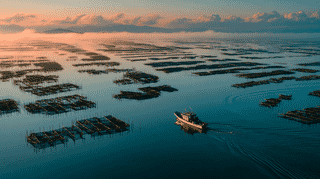
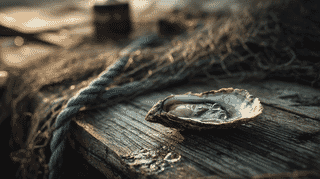
Up to 90% of farmed oysters have died in parts of Hiroshima Prefecture, Japan's largest oyster-producing region responsible for 60% of national output. Rising water temperatures, high salinity, and oxygen depletion in the Seto Inland Sea have caused unprecedented damage to a 450-year-old aquaculture tradition. We report on the causes, impact, and what comes next.
On February 12, 2026, a Chinese tiger-net fishing boat was seized in Japan's EEZ off the Goto Islands and its captain arrested after ignoring an order to stop. It is the first Chinese vessel seized since 2022, and the captain was released the same day.
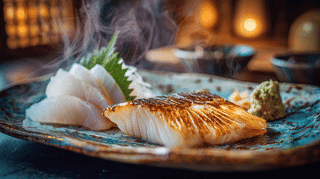
Kindai University has achieved the world's first full-cycle aquaculture of Nodoguro (Blackthroat seaperch), a high-end deep-sea fish known as the "White Toro." Learn about the decade-long journey, the technical challenges overcome, and what Japan's aquaculture leadership means for global food security.
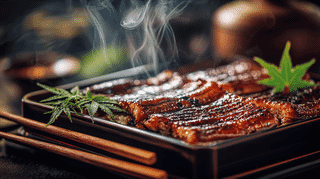
Farmed eels almost always turn out male. Aichi Prefecture's patented soybean-isoflavone feed flips more than 90% of them female, letting farmers raise them to roughly double the usual size without the flesh going tough. The result is "Enman," a branded eel from Mikawa-Isshiki.
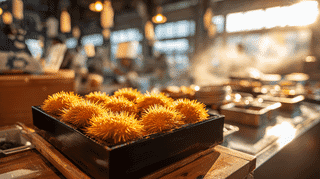
At Toyosu Market's 2026 New Year auction, a purple sea urchin from Hakodate sold for a record 35 million yen, about 87,500 yen per gram, five times the previous year's top lot. The million-yen uni bowl, a 23-fold rise in two years, and why uni keeps getting pricier.
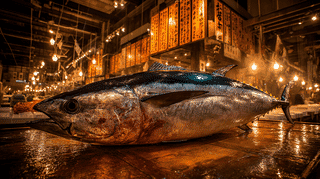
At Toyosu Market's 2026 New Year auction, a 243kg Oma bluefin sold for a record 510.3 million yen, about $3.2 million, to the Sushi Zanmai operator Kiyomura. What ichiban maguro means, how the ceremonial premium works, what the fisherman keeps, and where the stock stands.