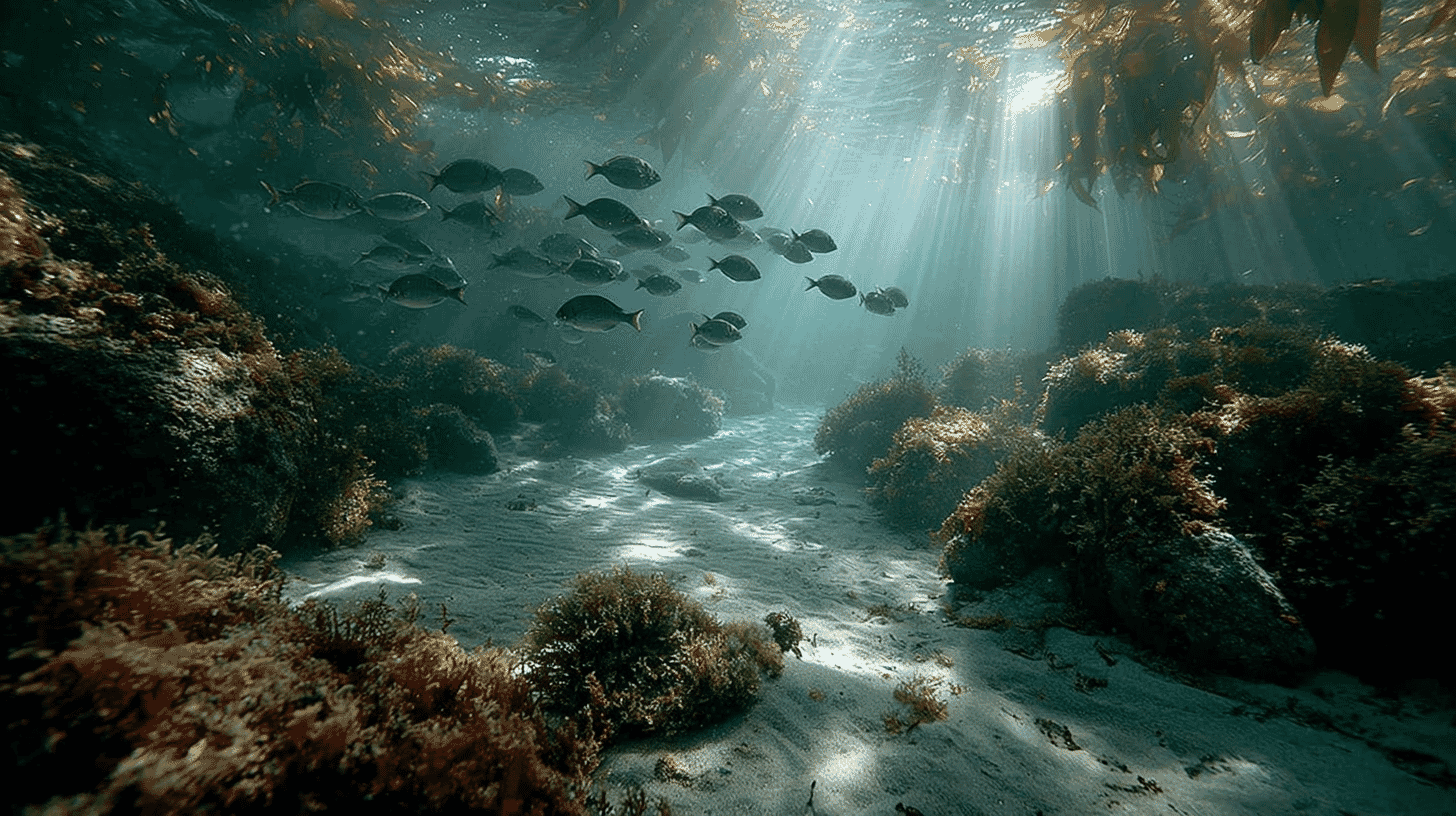
🐟 Anglers curse it. It stings like a wasp, reeks of low tide, and chews through entire forests of seaweed. In much of Japan, the rabbitfish gets tossed back or dumped at sea. So why is a small fisheries operator in Ehime now filing a patent to make it taste good?
The fish nobody wants in the cooler
Ask a Japanese angler about aigo and you'll probably get a grimace. The rabbitfish (Siganus fuscescens) shows up in early summer, swarms the rocky shallows in greedy schools, and gets hauled up by the netful in set-net and gill-net fisheries. And then, in most regions, it goes straight into the "trash fish" pile.
Two things earn it that reputation. The first is the smell. Aigo carries a heavy, briny funk in its skin and guts, and if you're careless, that odor seeps into the meat and ruins the whole fish. The second is more immediate: the spines along its fins pack a venom that, according to the fishing outlet TSURINEWS, can leave you in serious pain for hours if you grab one the wrong way. A stinking fish that fights back is not most people's idea of dinner.
What makes this worse is that the smell isn't a fixed trait. It's largely a reaction. When an aigo is caught, the stress of capture triggers it to release that odor, which then works its way into the flesh. Handle it badly and you create the very problem everyone complains about.
It's also the villain wrecking Japan's seaweed beds
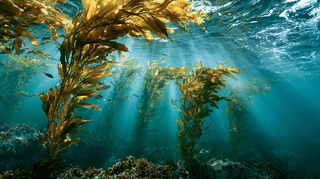
Here's the part that turns aigo from a culinary nuisance into something bigger. Rabbitfish are herbivores, and they are very good at their job. They graze on kelp and other seaweeds that form the underwater "forests," known in Japan as moba, that shelter young fish, shellfish, and an entire coastal food web.
For a long time, cold winter water kept their appetite in check. Warmer seas changed that. As Japan's coastal waters heat up, aigo keep feeding through winter and have pushed steadily north, with overwintering schools now confirmed as far up as the Noto Peninsula on the Sea of Japan side. The result is isoyake, sometimes translated as "rocky-shore denudation": stretches of seabed stripped bare, the seaweed forests gone. Japan's Fisheries Agency names aigo among the main culprits in western Japan, alongside other warm-water grazers.
If that story sounds familiar, it should. This is the same rabbitfish that scientists have linked to collapsing kelp forests in Australia, where a marine heatwave let the species expand south and herbivory on some reefs jumped thirty-fold. The "tropicalization" of temperate coastlines is a global problem, and aigo is one of its faces.
The Ehime fix: stop the fish from stinking in the first place
So you have a fish that's abundant, ecologically destructive, and genuinely unpleasant to eat. The obvious move is to make it worth catching. That's what the patent-pending method developed by a fisheries operator in Ehime Prefecture is trying to do, and the cleverness is in how it frames the problem.
Instead of trying to scrub the smell out after the fact, the method goes after the moment the smell is created. Because the odor is released under the stress of capture, the technique keeps the fish alive in a special holding tank for a period after it's landed, letting that stress-induced funk disperse before it can soak into the meat. The handling at butchering is built to avoid contaminating the flesh too, and that processing know-how is part of what's being patented.
Treated this way, the reporting says, aigo turns into something with firm, springy flesh and a clean, sweet fattiness. Not "edible if you must," but actively good. The TSURINEWS writer, a fish specialist, says his favorite way to eat it is tataki with the skin left on, and rates it above just about any other fish.
Pulling off the full process at home is hard. But it's not impossible to eat a good aigo: anglers can land and bleed their own, and the key is speed. The fish has to be killed and cleaned promptly while still alive, the venomous fins cut away, the body cavity rinsed and chilled, before the smell ever has a chance to set in. Get an aigo from a fishmonger with live tanks near a set-net fishery and you're most of the way there.
A very Japanese way to deal with a problem fish
Japan has a word for this instinct: mottainai, the sense that letting something useful go to waste is a small shame. There's a whole tradition of taking the fish nobody respects and finding the angle that makes it shine, region by region. In western Japan and Okinawa, aigo has long been eaten where the food culture knows how to handle it; parts of the country even prize its pungent innards, eaten as a kind of "sea bracken." The Fisheries Agency has openly wished for exactly this: develop tasty preparations, build a market, and turn these grazers into a fishery instead of bycatch that gets thrown overboard.
The patent is one small, specific version of that. And if it works at scale, eating more aigo and pulling them off the reefs might even give the seaweed forests a little breathing room.
The world is learning to eat its troublemakers too
Japan isn't alone in this. Across the Atlantic and Caribbean, the venomous, reef-wrecking lionfish has spawned a whole movement called "invasivorism," kicked off by conservationists in the 2000s and pushed along by NOAA's "Eat Lionfish" campaign. Florida runs lionfish tournaments and Restaurant Weeks where ordering dinner doubles as reef conservation. In Cyprus, a 2021 social-media push called #TasteTheOcean got chefs serving lionfish, and at the Larnaca fish market it now sells for less than half the price of sea bass. Green crabs, Asian carp rebranded by the state of Illinois in 2022 as "copi," even invasive iguanas billed as "chicken of the trees" have all landed on menus.
The logic is the same everywhere: clip the spines, change the story, and let appetite do the work that culling can't. What's distinctive about the aigo case is the route Japan took to get there. Not a marketing campaign telling people the fish is fine, but a craftsman figuring out the precise moment a fish betrays itself, and engineering that moment away.
In Japan, the rabbitfish is finally getting a second look. Does your country have a "trash fish" that everyone throws back? And has anyone figured out how to make it dinner?
References
- https://tsurinews.jp/401884/
- https://www.jfa.maff.go.jp/j/kikaku/tamenteki/kaisetu/moba/moba_genjou/
- https://en.wikipedia.org/wiki/Siganus_fuscescens
- https://www.nature.com/articles/s41598-017-00991-2
- https://www.scientificamerican.com/article/can-we-really-eat-invasive-species-into-submission/
- https://www.euronews.com/2025/12/31/lionfish-the-invader-that-is-destroying-the-mediterranean-has-become-a-delicacy-in-cyprus




Global Discussion
4 comments