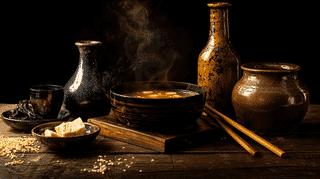
Japan's miso exports have surged 7x in 30 years, and natto sells for $20 at high-end NYC supermarkets. Driven by the gut health movement, plant-based eating, and top chefs' fascination, traditional Japanese fermented foods are reshaping global dining. Discover the science behind koji mold, Japan's "national fungus", and how a $250+ billion fermented food market is booming worldwide.
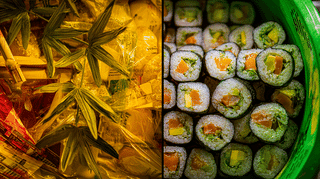
Japan's 2026 ehomaki (lucky sushi rolls) generate ¥73 billion in economic impact, yet an estimated ¥1.65 billion worth are thrown away. Explore the structural causes behind Setsubun food waste and the tension between cultural tradition and sustainability.
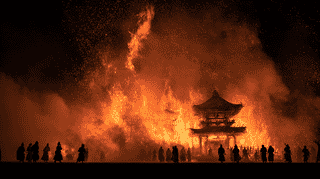
Discover Japan's most spectacular fire festival in Omihachiman, Shiga. The 400-year-old Sagicho Festival features massive floats decorated entirely with food ingredients, intense "fighting" where floats crash together, and a dramatic burning finale. Once beloved by warlord Oda Nobunaga, this "most eccentric festival" heralds spring in the Lake Biwa region.
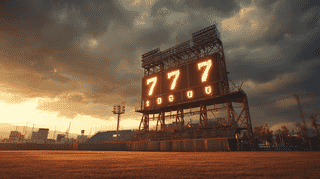
Japan considers cutting high school baseball from 9 to 7 innings by 2028. While 70% of schools oppose the change, heat stroke concerns and player safety drive the debate. How will Japan balance tradition with modern athlete welfare?
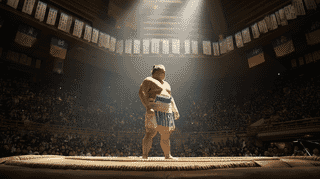
21-year-old Ukrainian refugee Aonishiki (Danylo Yabgushyshin) achieved back-to-back sumo championships—a feat not seen since legendary Futabayama in 1937. After fleeing the war and arriving alone in Japan, this young wrestler's historic rise is inspiring fans worldwide. Explore his journey and the role of foreign wrestlers in Japan's traditional sport.
After leaving the Japan Sumo Association, former yokozuna Hakuho unveiled his "World Sumo Grand Slam" vision, hinting at future cooperation with the JSA. Chairman Hakkaku's response reveals deep tensions. Explore how sumo's greatest champion challenges tradition from the outside.
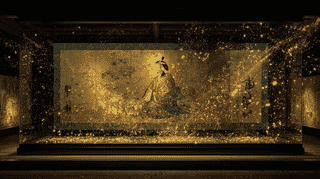
Japan's National Treasure "Prince Shotoku Illustrated Biography" (1069 CE) is now free to view online with ultra-high-definition 3.6 billion pixel images. Available in Japanese, English, Chinese, and Korean. This groundbreaking digital archive project launched in January 2026 lets you explore details invisible to the naked eye from anywhere in the world.
Discover where and when to avoid wearing perfume in Japan, including Japanese restaurants, sushi bars, hospitals, and funerals. Learn about Japan's unique "unscented culture" and understand why fragrance etiquette matters so much in this country known for its consideration of others.
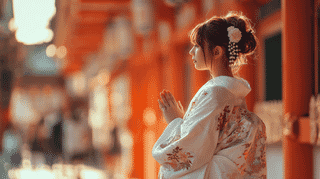
White furisode, once dismissed as too plain for a celebration, are back in a way the kimono trade calls the biggest revival in about half a century. Social media, the way white bounces light onto the face, and a shift in Gen Z taste all play a part. White topped the color rankings again for the 2026 ceremonies.
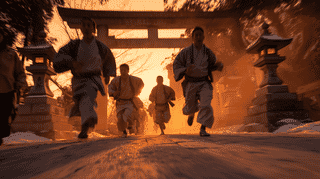
Every January 10, Nishinomiya Shrine holds the Fukuotoko race. The overnight lottery for 108 front-row places, the bend where the pileups happen, the 230-meter course, and the runners who took the top spot in 2025 and 2026.
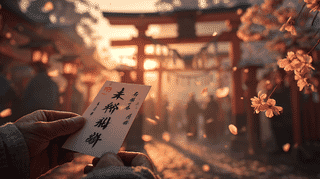
Omikuji are the paper fortunes drawn at Japanese shrines and temples. Here is why drawing again after a bad one is frowned upon, what Shinto scholars say about it, what "kyo" (bad fortune) actually means, the etiquette around drawing and tying them, and which shrines are said to leave bad fortunes out altogether.