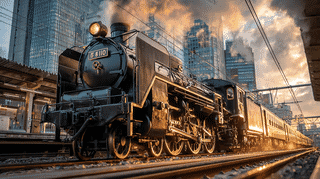
On March 28, 2026, Nagoya City Science Museum unveiled 'Railway Square,' featuring the world's only surviving German-made B6 steam locomotive from 1904. Powered by compressed air, this 120-year-old engine now moves its wheels, sounds its whistle, and puffs smoke in downtown Nagoya — for free. Includes a rail fan travel route with SCMAGLEV and Railway Park and Meiji-mura.
JR Central and JTB have launched the Hokusai Special Train, a foreign-tourist-only sightseeing train running from Mishima to Fujinomiya with Mt. Fuji views and Ukiyo-e art interiors. Part of a full-day tour at $151, this is Japan's latest approach to premium inbound tourism. Here's everything you need to know about booking and what to expect.
Meitetsu Group has unveiled LUVIA, an ultra-luxury tour bus with just 18 seats (down from 49), a bar counter, and dedicated attendant service. From a $3,200 Hokkaido tour to $360 day trips, this 'rolling luxury hotel' represents Japan's latest evolution in premium travel — following the success of luxury trains like Seven Stars and Shiki-shima.
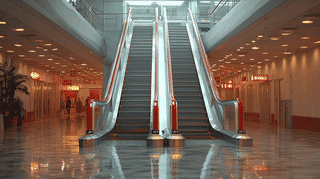
Toshiba's C-type escalator, whose handrail drops vertically into the floor instead of looping, existed in just two places: the 8th and 9th floors of Nagoya's Meitetsu Department Store. They stopped when the store closed on February 28, 2026, after 71 years. Demolition is now on hold and Yodobashi Camera is moving in.
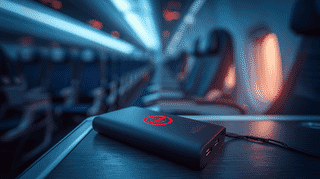
From April 24, 2026, Japan's transport ministry banned charging a power bank onboard an aircraft and charging other devices from one. Carry-on is capped at two units of 160Wh or less. The change follows an emergency revision of ICAO standards after the Air Busan 391 fire. Here are the rules, which breaches actually carry penalties, how to convert mAh to Wh, and the sodium-ion batteries banned outright the same day.
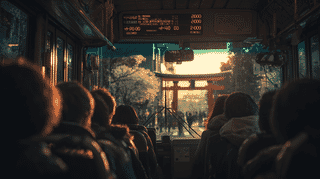
Kyoto announces Japan's first dual pricing system for city buses: residents will pay ¥200 ($1.30) while tourists face fares up to ¥400 ($2.60). With 56 million annual visitors overwhelming a city of 1.43 million, this bold overtourism measure follows global models from Venice to Bali. How do locals and the world react?
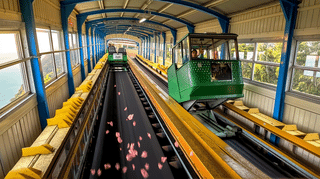
The Car-Lator at Suma-ura Sanjo Yuen in Kobe, Japan's only belt-conveyor mountain ride, turned 60 on March 18, 2026. Famous for marketing its terrible ride comfort as the attraction, it ran red-vested anniversary cars, hard-stock commemorative tickets and a hillside hike to mark the occasion.
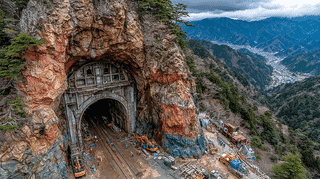
JR Central has pushed completion of three Tsukui and Fujino tunnel sections on the Chuo Shinkansen maglev line to 2031, after the rock proved more fragile than expected. A look at what the world's first superconducting maglev is up against, with costs now at ¥11 trillion.
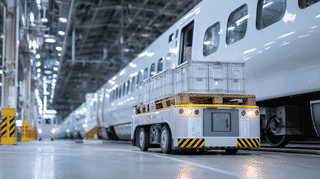
JR East launches Japan's first cargo-only Shinkansen in March 2026. A former Yamagata Shinkansen E3 Series train has been stripped of all 394 seats and rebuilt to carry up to 17.4 tons of freight at 186 mph. Learn how the "Hako-Byun" service tackles Japan's driver shortage, cuts CO2 emissions, and creates a high-speed logistics link between rural producers and Tokyo.
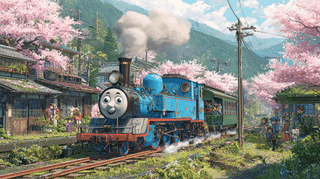
Oigawa Railway's DAY OUT WITH THOMAS 2026 launches its first-ever year-round operation from March 7. Asia's first passenger-carrying Percy steam locomotive joins Thomas through tea fields of Shizuoka. Discover how Japan uniquely blends heritage railways with character collaborations — tickets from about $40 round trip.
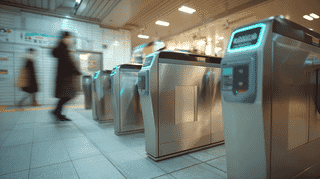
JR West launches new-type facial recognition ticket gates at Osaka and Shin-Osaka stations from March 2026. By retrofitting existing IC card gates with dual cameras, the system combines face authentication with IC card functionality — a practical shift from futuristic arch-style gates to scalable standard designs, paving the way for nationwide expansion.
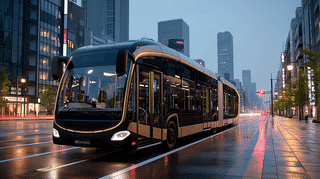
Nagoya's revolutionary SRT (Smart Roadway Transit) began service on February 13, 2026. An 18-meter Mercedes-Benz articulated bus connects Nagoya Station to Sakae, offering futuristic design, barrier-free access, and contactless payment. Discover how Japan is reshaping urban mobility ahead of the Linear Shinkansen era.
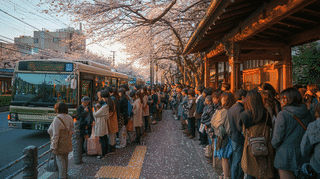
Kyoto City announces a switch from rear-entry/pay-later to front-entry/prepay bus boarding by FY2028. This overtourism countermeasure aims to reduce congestion and balance residents' daily life with tourism. The tourist express bus impact is also being evaluated.
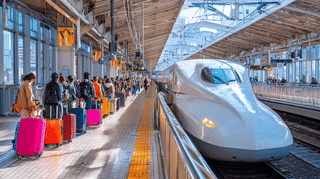
JR East unveils major rail pass reforms starting March 2026. The new JR EAST PASS covers all JR East lines at ¥35,000 for 5 days or ¥50,000 for 10 days. With price increases and expanded coverage for other passes, Japan prepares its transportation infrastructure for the 40-million-visitor era. A comprehensive look at what's changing and why.
Starting March 25, 2026, 11 Tokyo-area private railways will enable contactless credit card payments across 54 lines and 729 stations. But with JR East and Keisei absent, how much will this change travel in Tokyo? We examine what's coming and what challenges remain.
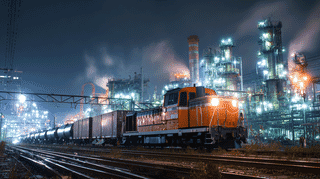
Kashima Rinkai Railway in Ibaraki Prefecture draws attention with its unique dual strategy of operating both passenger and freight services. Factory night tours on normally restricted freight lines have become popular, while the 2024 logistics problem renews interest in rail freight. Exploring a survival model for regional railways in Japan.