Toray's all-carbon CO2 separation membrane successfully demonstrated at an Osaka sewage treatment plant. The technology reduces dehumidification costs by approximately 70% compared to conventional methods, dramatically improving biogas power generation economics and potentially transforming sewage plants nationwide into small-scale power stations.
Japan's 4-day work week adoption is accelerating in 2025, with Tokyo Metropolitan Government and major corporations like ZOZO, Fast Retailing, and Panasonic leading the charge. Explore the three implementation models, benefits, challenges, and what this means for Japan's notoriously long work culture.
Micro-LED displays are entering mass production. Explore Japanese manufacturers' strategies including Sony and Sharp, and the latest developments in AR glasses and smartwatch technology competition. The next-gen technology surpassing OLED is becoming reality.
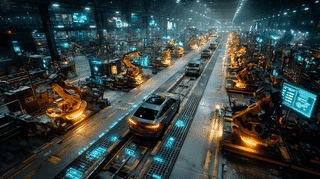
Japanese automakers are moving beyond the era when ashtrays were the only standardized parts. Facing EV competition and European rivals, Toyota, Honda, Nissan, and others are now pursuing cross-company standardization of steel, semiconductors, and plastics.
Japan's 2025 trade deficit halved to ¥2.65 trillion, down 52.9% year-on-year. Record exports of ¥110.4 trillion were driven by electronic components and semiconductors shipped to Asia and the EU. Trump tariffs caused US-bound exports to fall for the first time in five years.
Japan's major airlines JAL and ANA are significantly expanding European routes to meet record inbound tourism demand. ANA launched new services to Milan, Stockholm, and Istanbul, while JAL introduces the latest A350-1000 aircraft. Discover how Japanese carriers are reshaping international travel strategies.
US healthcare company KindlyMD merged with Nakamoto Holdings, raising $710 million to become a Bitcoin treasury company. Led by David Bailey, the company invested $30 million in Japan's Metaplanet. Explore the potential and risks of corporate Bitcoin strategies.
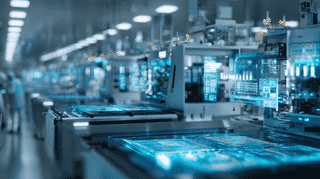
Even TSMC's record 9 trillion yen investment can't meet AI chip demand. Amid supply shortages, Japan's Rapidus challenges 2nm mass production. We analyze Japan's semiconductor comeback potential through short TAT strategy and economic security perspectives.
Sharp's iconic Sakai LCD factory, once the symbol of "LCD Sharp," is being transformed into one of Asia's largest AI data centers by KDDI and SoftBank. By repurposing the massive power and cooling infrastructure from the ¥430 billion facility, they brought a cutting-edge AI hub online in under a year, a powerful symbol of Japan's industrial transformation in the AI era.
Porsche's 2025 global deliveries fell 10% to 279,449 units, the steepest drop since 2009, while its electrified share expanded to 34.4%. What sat behind China's 26% decline, the 911's record year, and what the "value over volume" strategy actually means.
Mitsubishi Fuso Truck and Bus and Taiwan's Hon Hai Precision Industry (Foxconn) have signed a final agreement to set up an EV bus joint venture in Japan. Due to launch in late 2026, it will build large route buses based on Foxconn's Model T at Fuso's Toyama plant, taking orders from 2027 and challenging BYD's roughly 60% share of Japan's EV bus market.